Ad Click Aggregator
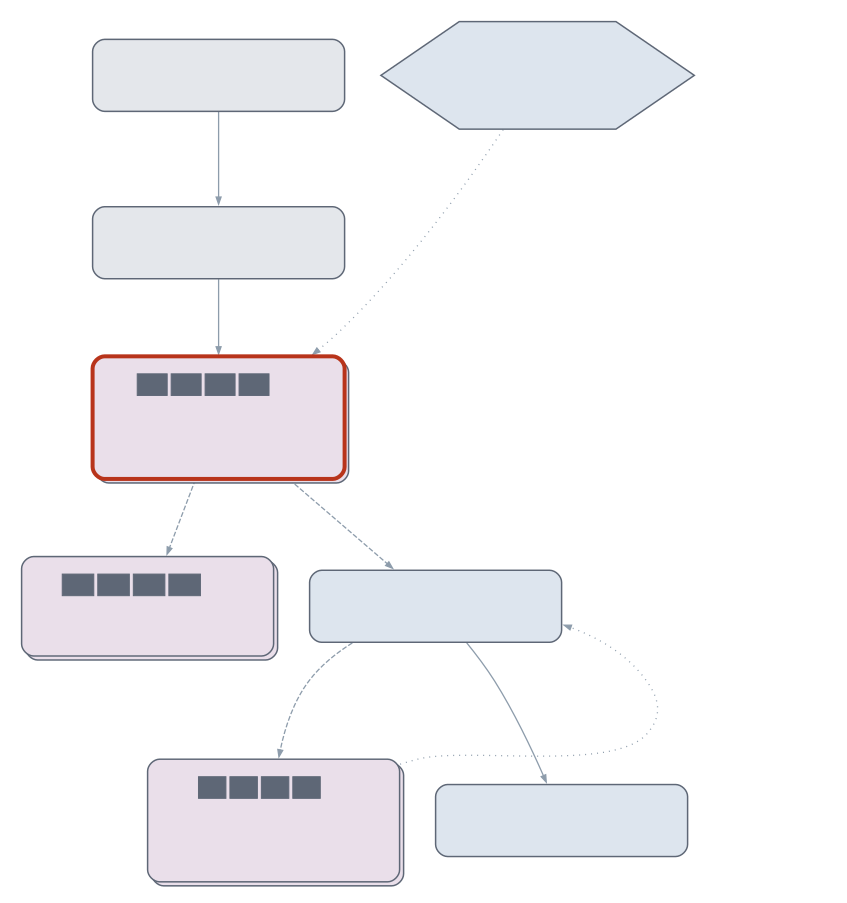
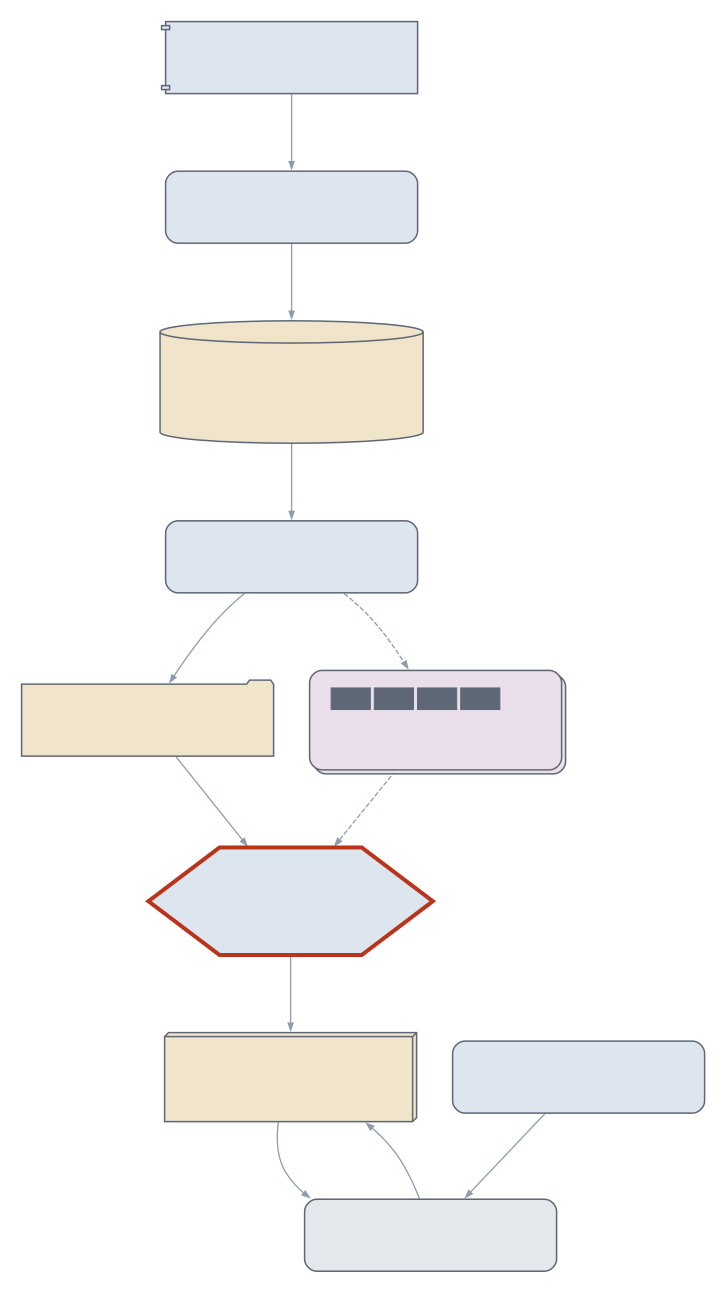
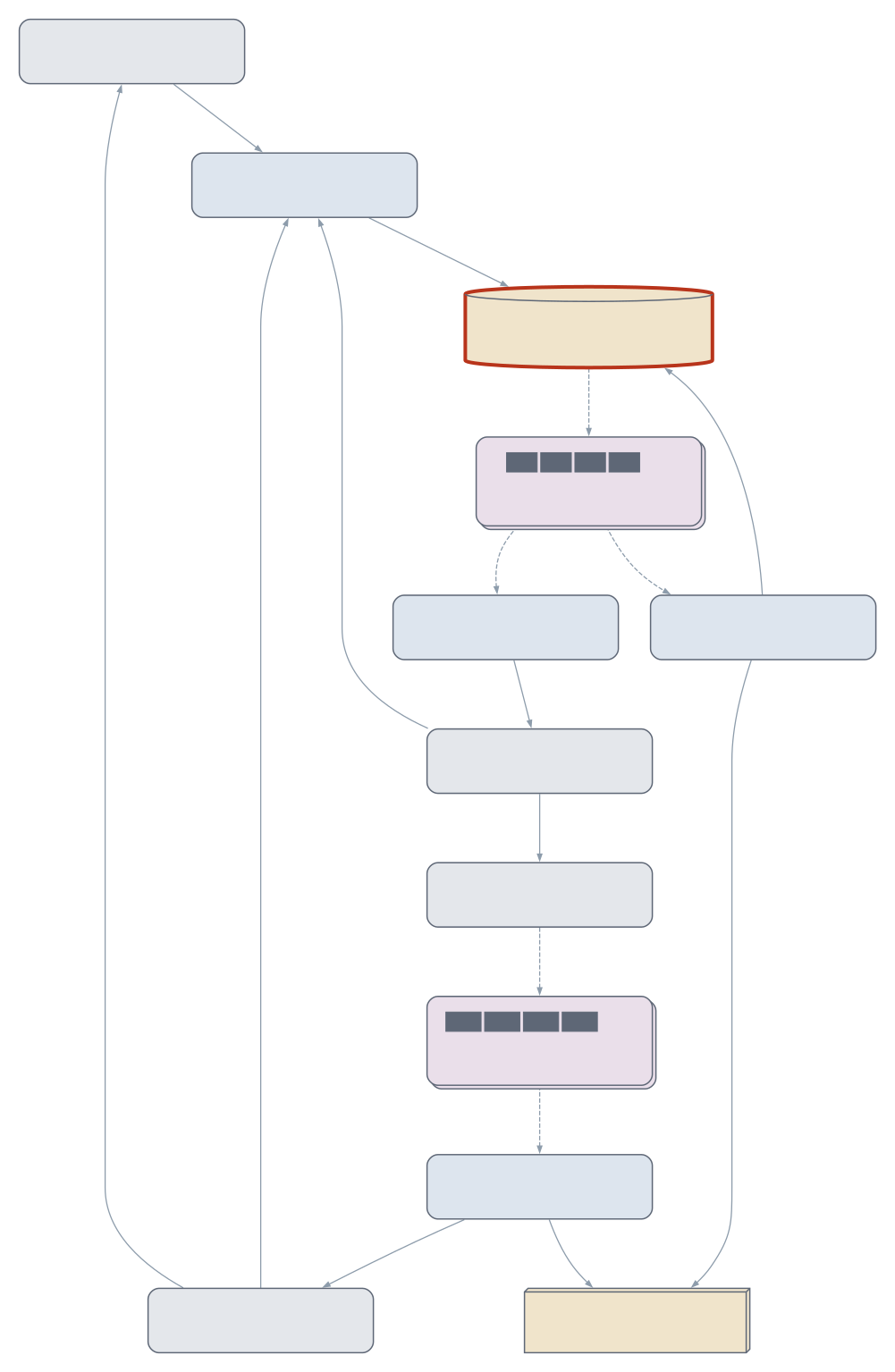
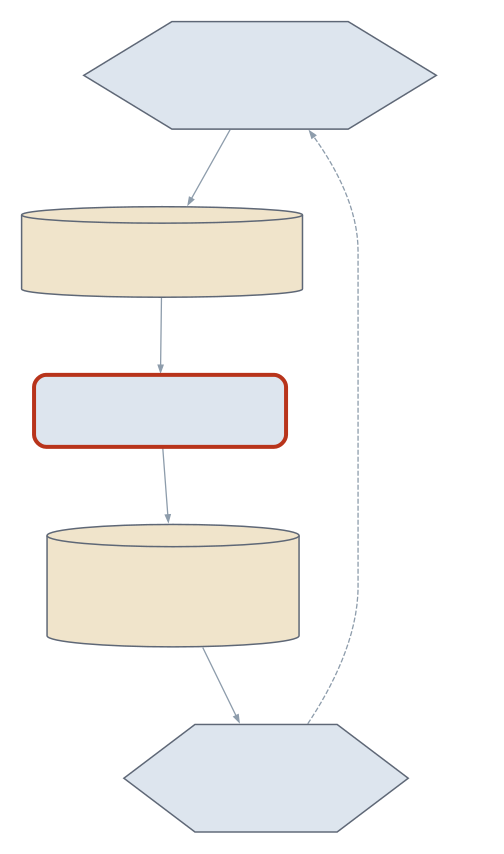
A materializer writes the count, loses its ACK and consumes the update again.
Topic tools
Layout updated
Problem statement
Design an ad click tracking service. Redirect visitors to the advertiser and report click counts by ad and time range without counting the same click twice when a request retries.
Functional requirements
- Record valid clicks and redirect users.
- Count clicks by ad and time window.
- Show reports and reconcile corrected counts.
Non-functional requirements
- Aim for report-query under 1 s.
- Store accepted clicks durably and do not count retries twice.
Back-of-the-envelope estimates
| Illustrative estimate |
|---|
| 1,000/s × 86,400 = 86.4M clicks/day |
| 500 bytes/event × 86.4M ≈ 43.2 GB/day raw |
| 10k/s peak × 500 bytes ≈ 5 MB/s raw ingress |
| 86.4M IDs × 32 bytes ≈ 2.76 GB minimum for 24-hour dedup state |
| 10M ads × 1,440 minutes/day = 14.4B theoretical dense buckets |
| 10-minute outage at 10k/s = 6M events; 20k/s recovery minus 10k/s arrival |
Entities
| Entity / logical owner |
|---|
| Ad(adId, advertiserId, destination, status, version); Campaign(version, dimensions, validFrom) |
| ClickEvent(eventId, impressionId, adId, eventTime, receivedAt, region, metadataVersion, policyVersion) |
| DedupState(impressionId, firstAcceptedEvent, expiry) |
| PartialAggregate((generation, adId, minute, salt, dimensions), count, revision) |
| ReconciliationReport(generation, sourceManifest, policyVersion, status, checksums) |
API design
| Operation / input | Response and retry contract |
|---|---|
GET/click?token=... → HTTP 302 | Signed token binds impressionId, adId, expiry and authorized metadata version. Resolve a validated destination; never accept an arbitrary redirect URL from the caller. Append before returning Location. |
GET/v1/ads/{id}/clicks?from=...&to=...&granularity=minute | Analytics authenticates advertiser ownership, bounds time range/dimensions and returns count, dataThrough, reportGeneration and provisional/reconciled status. |
High-level design
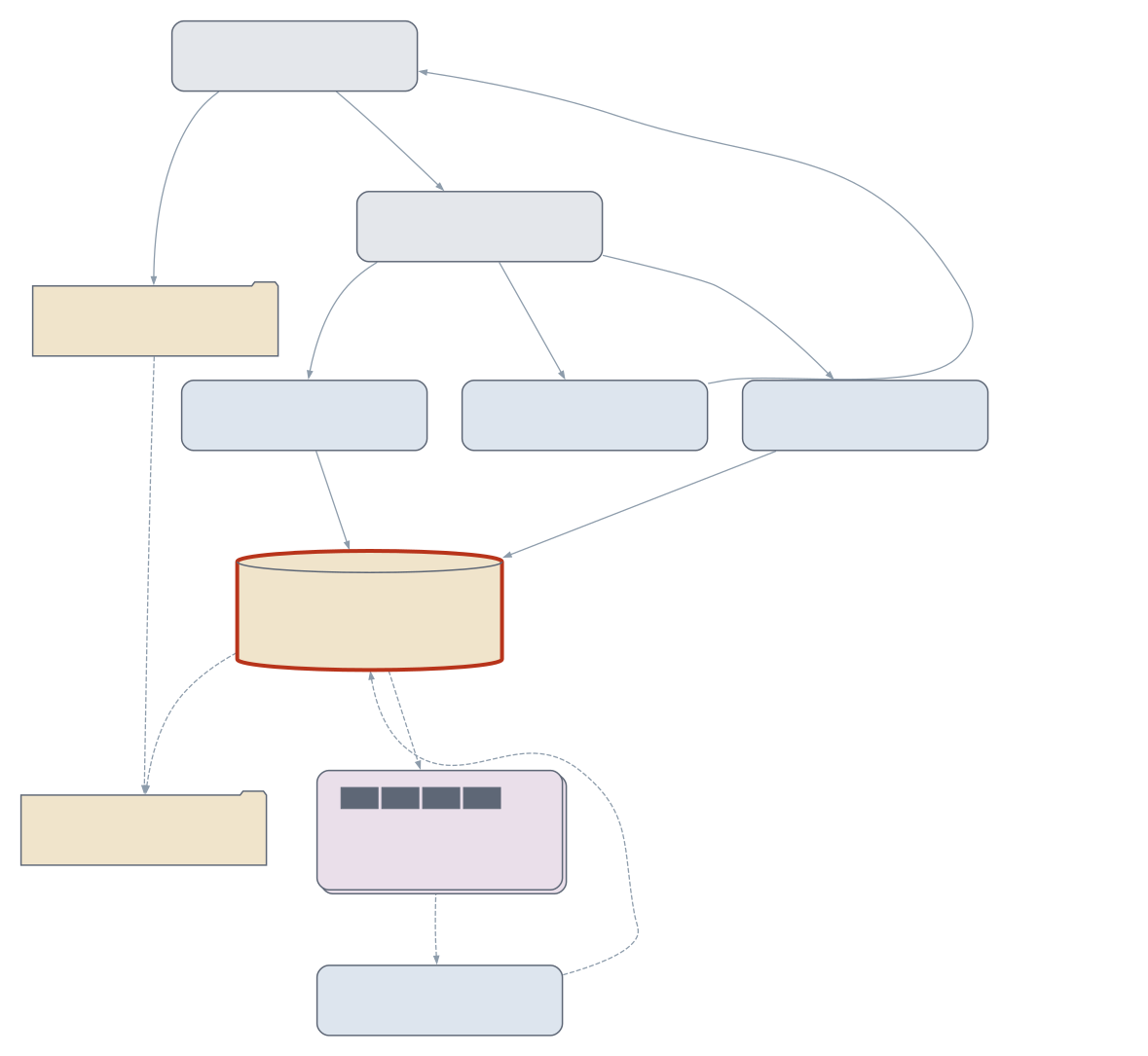
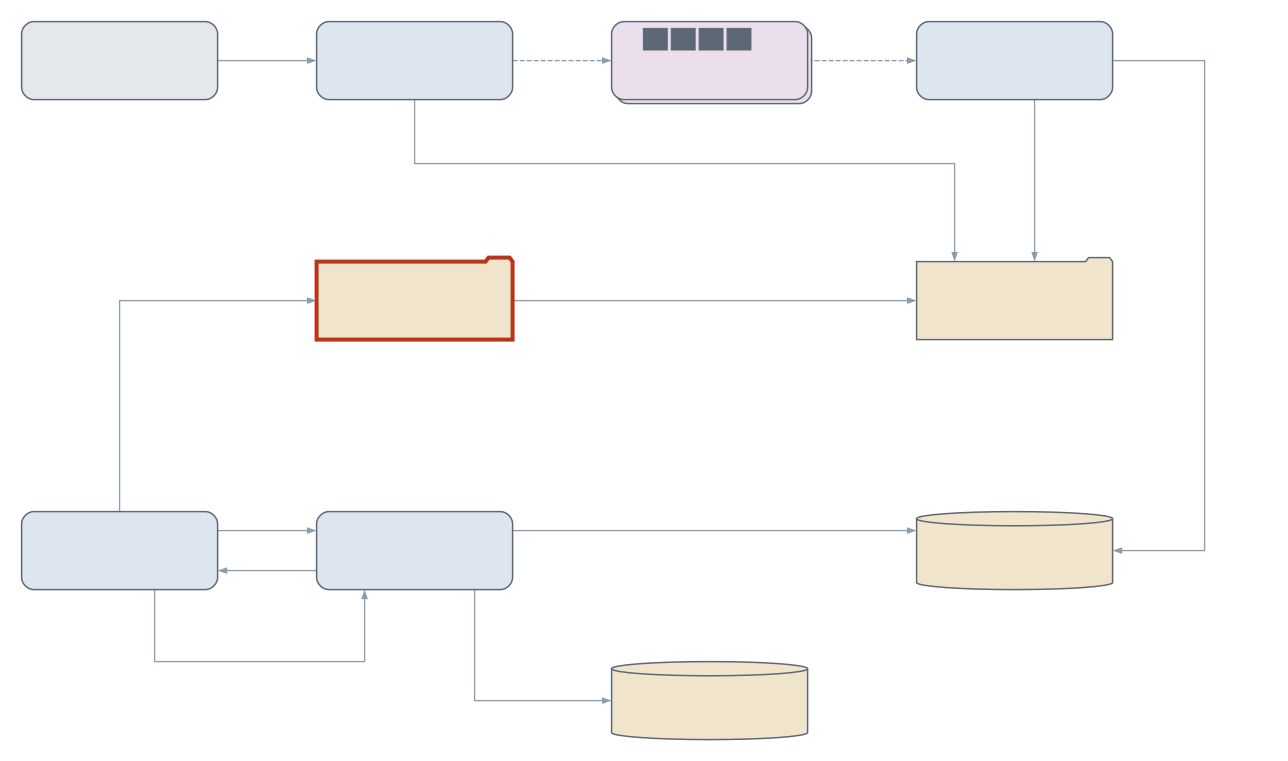
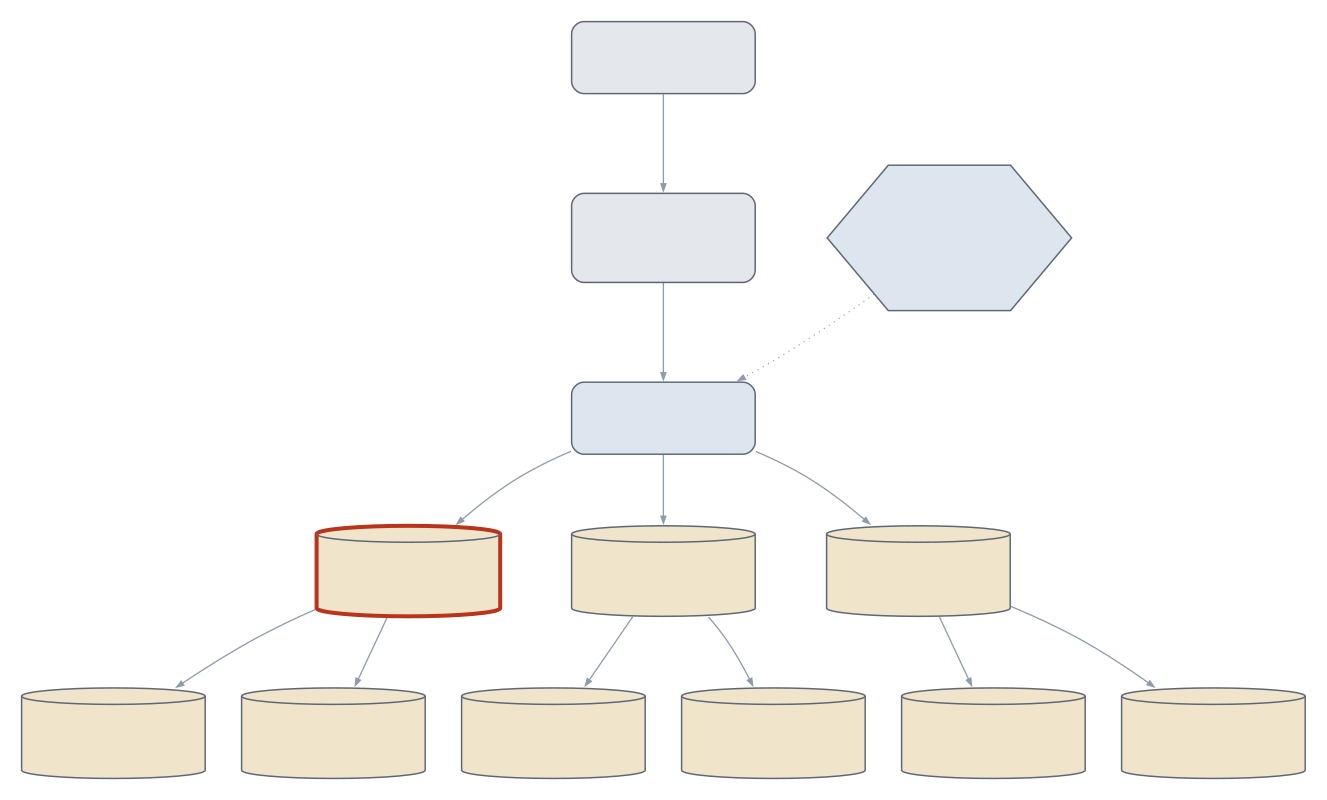
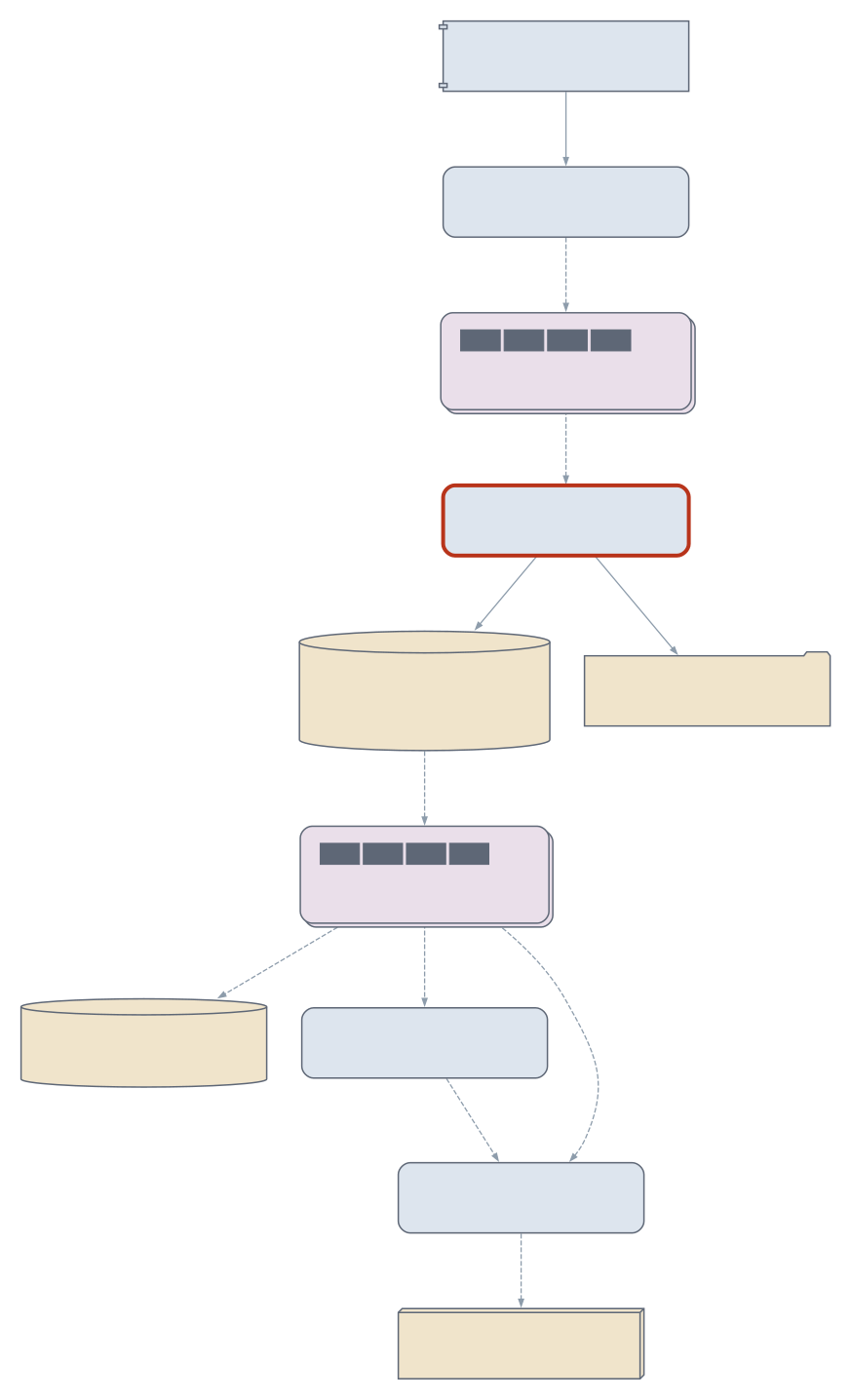
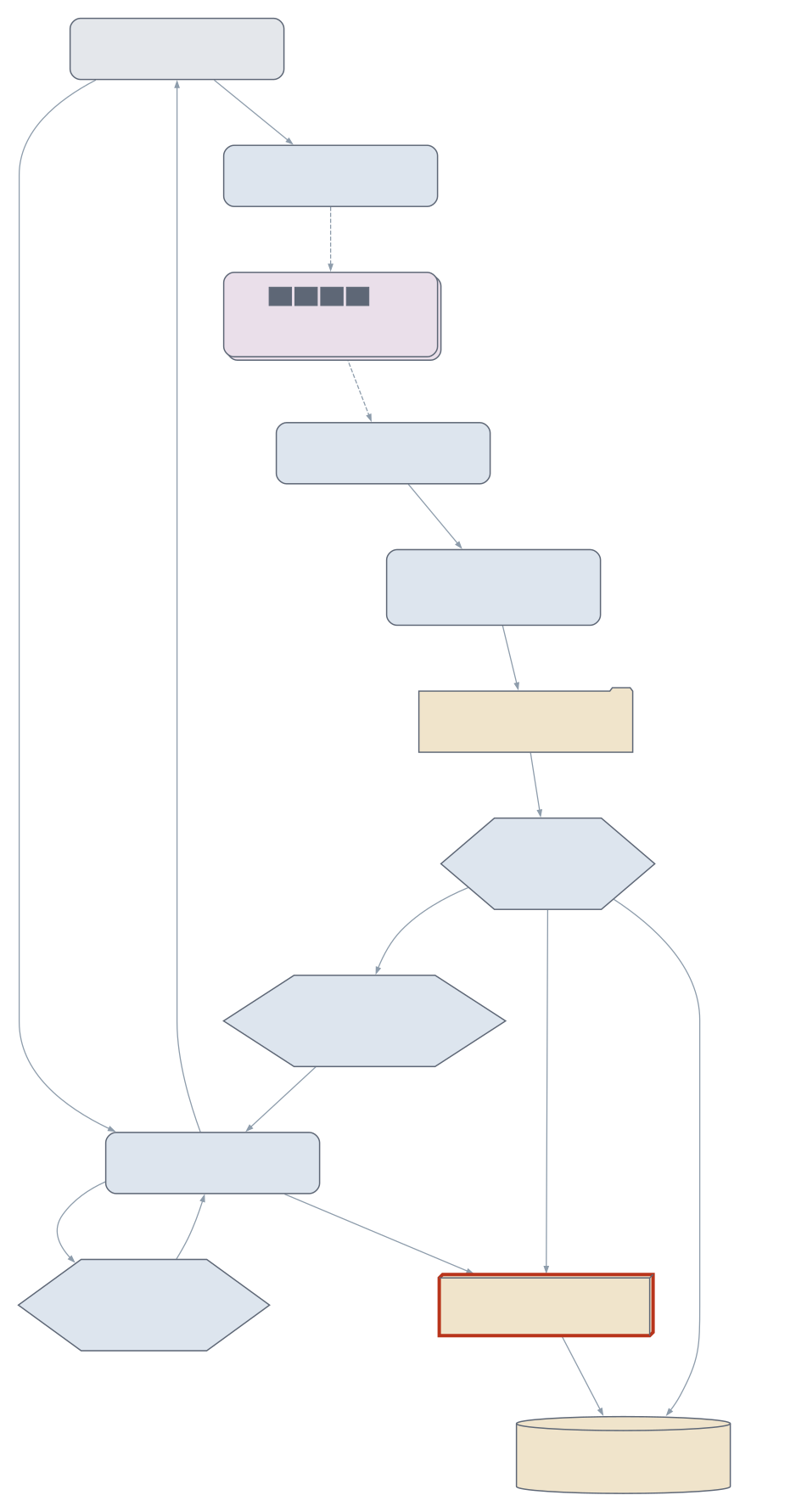
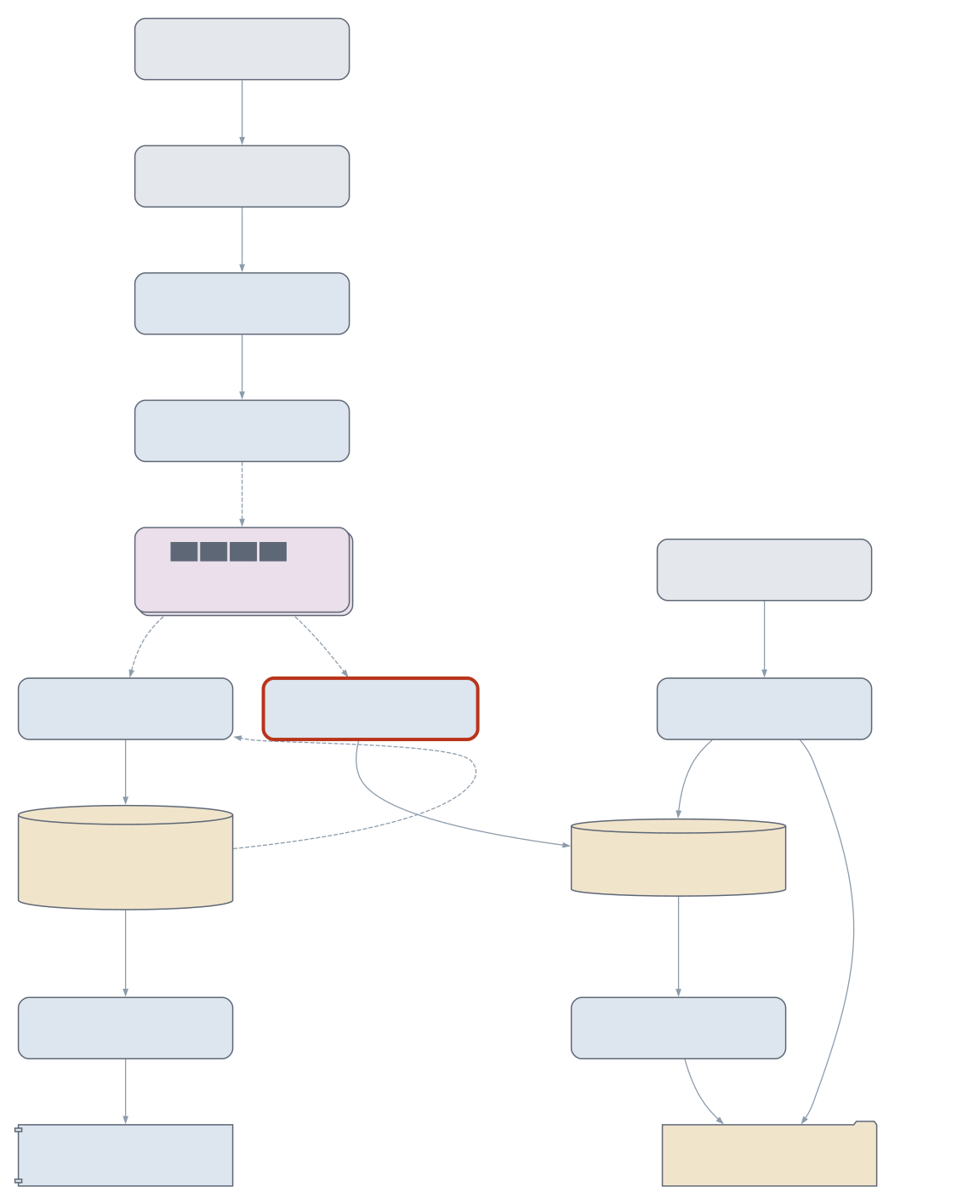
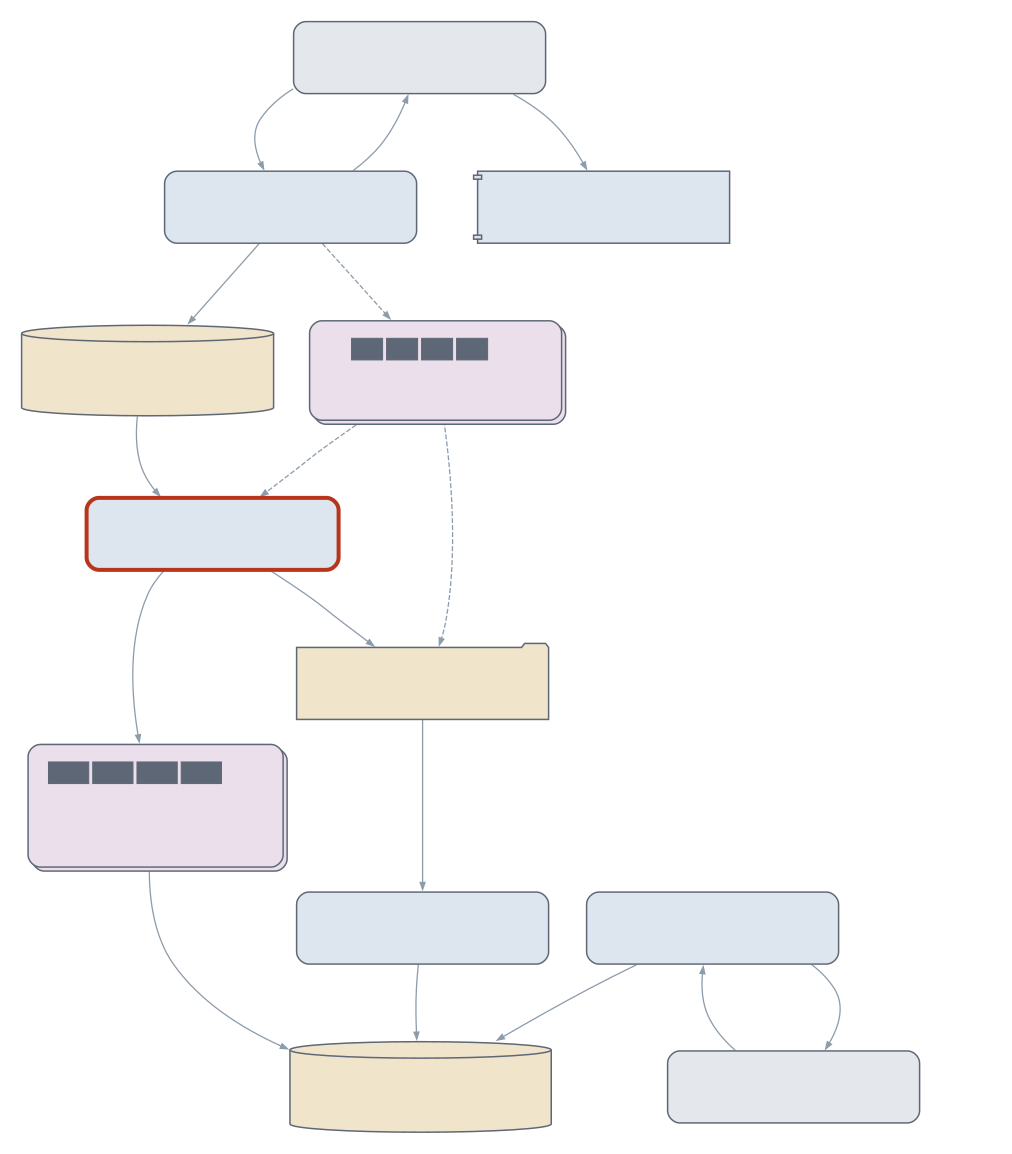
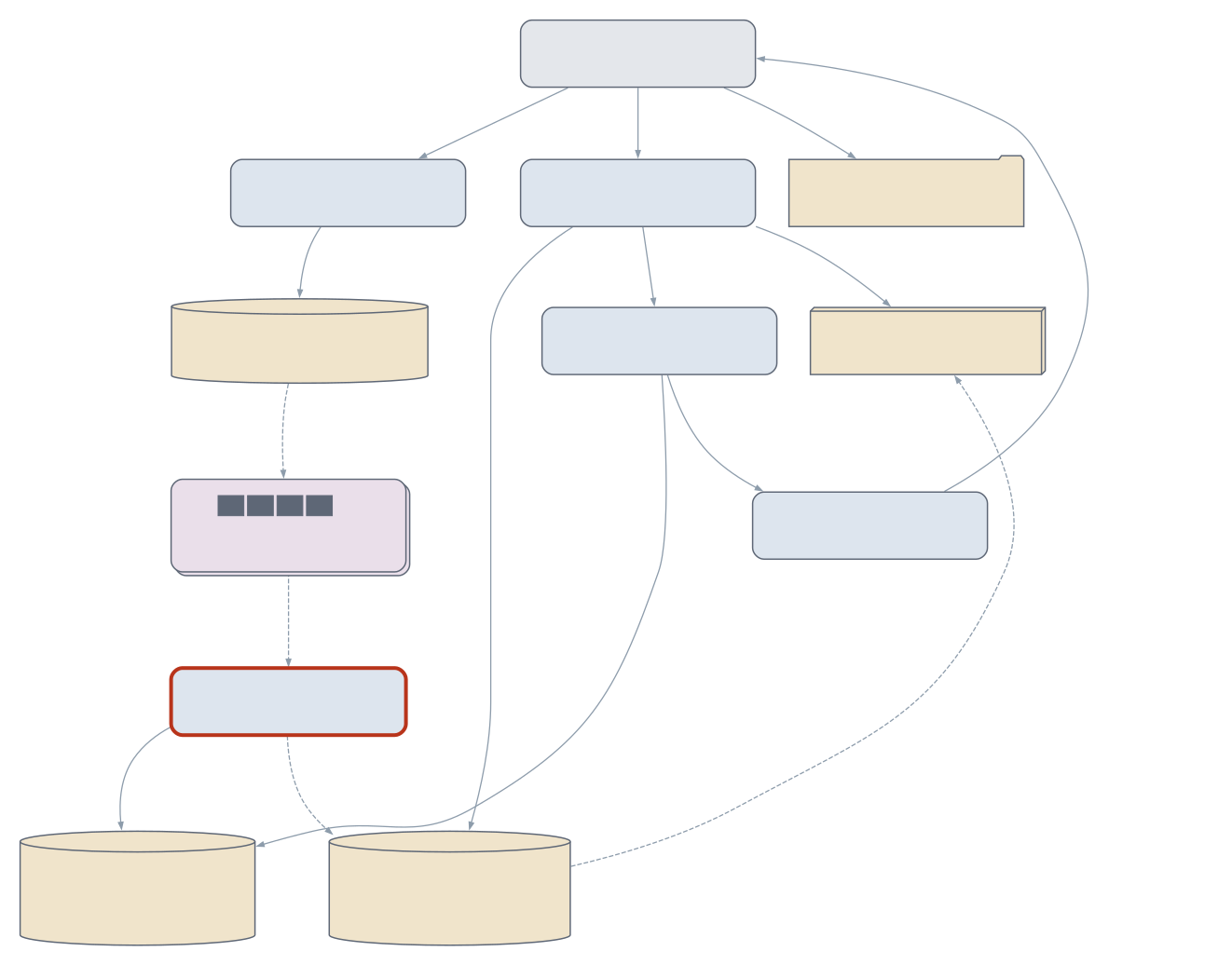
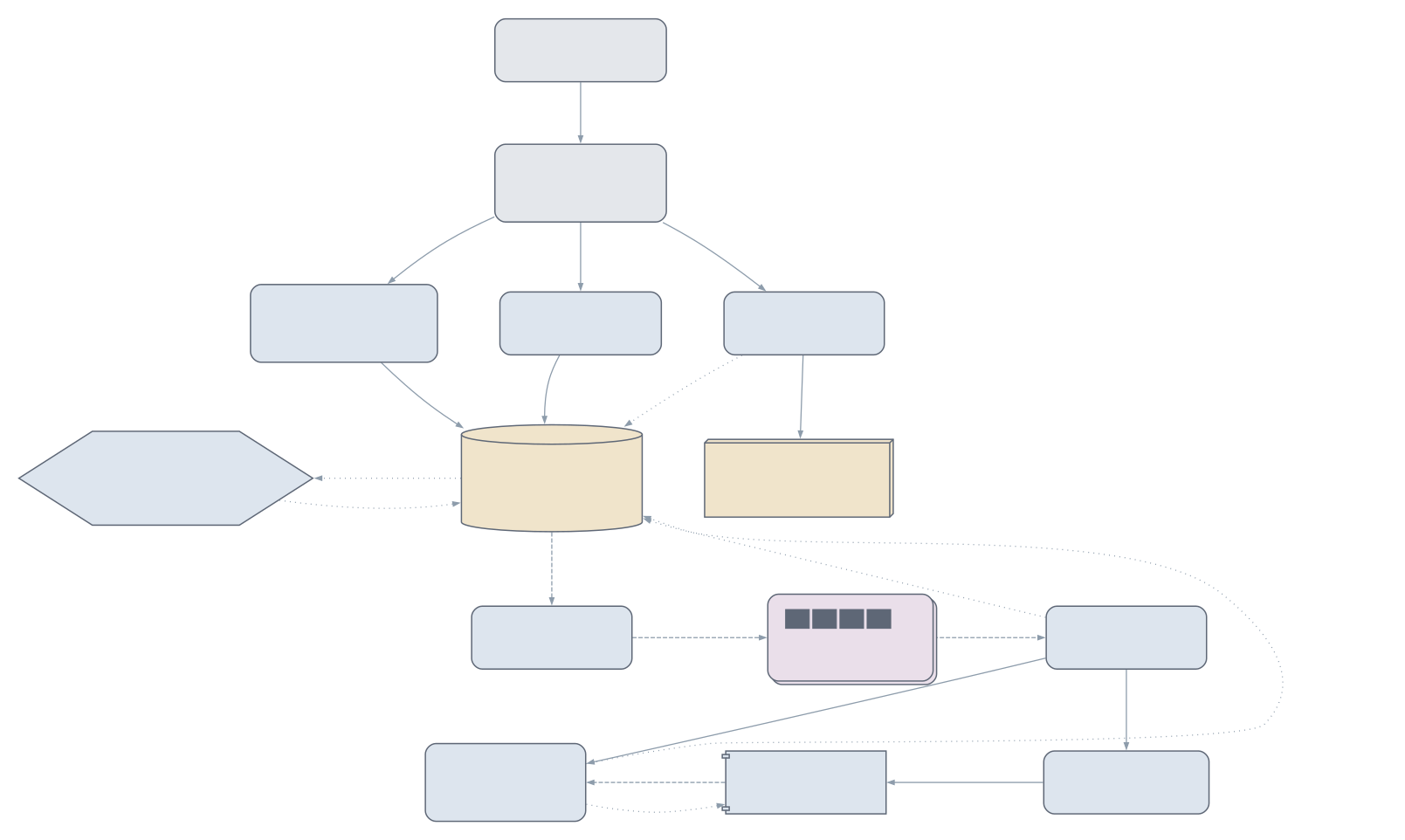
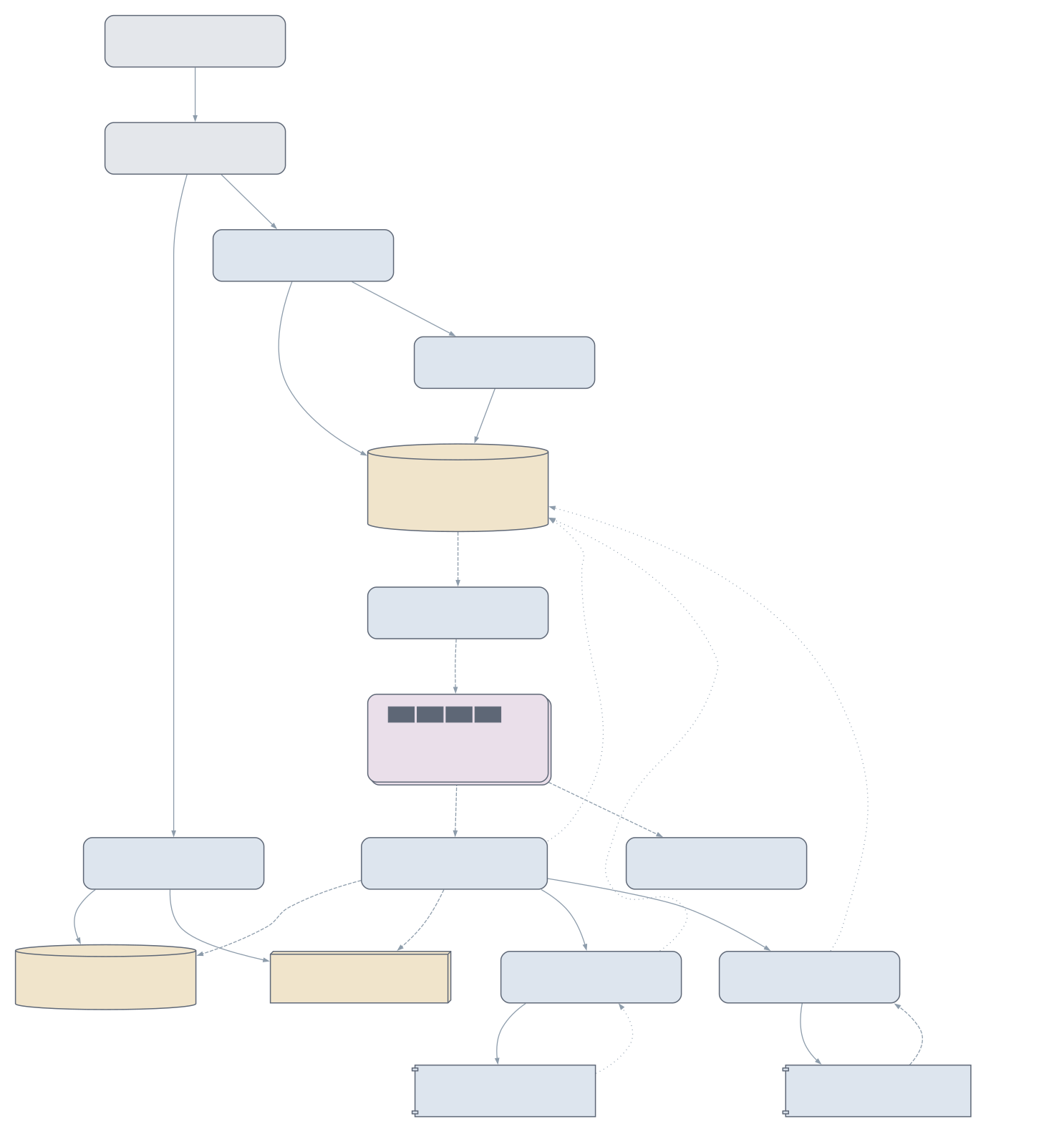
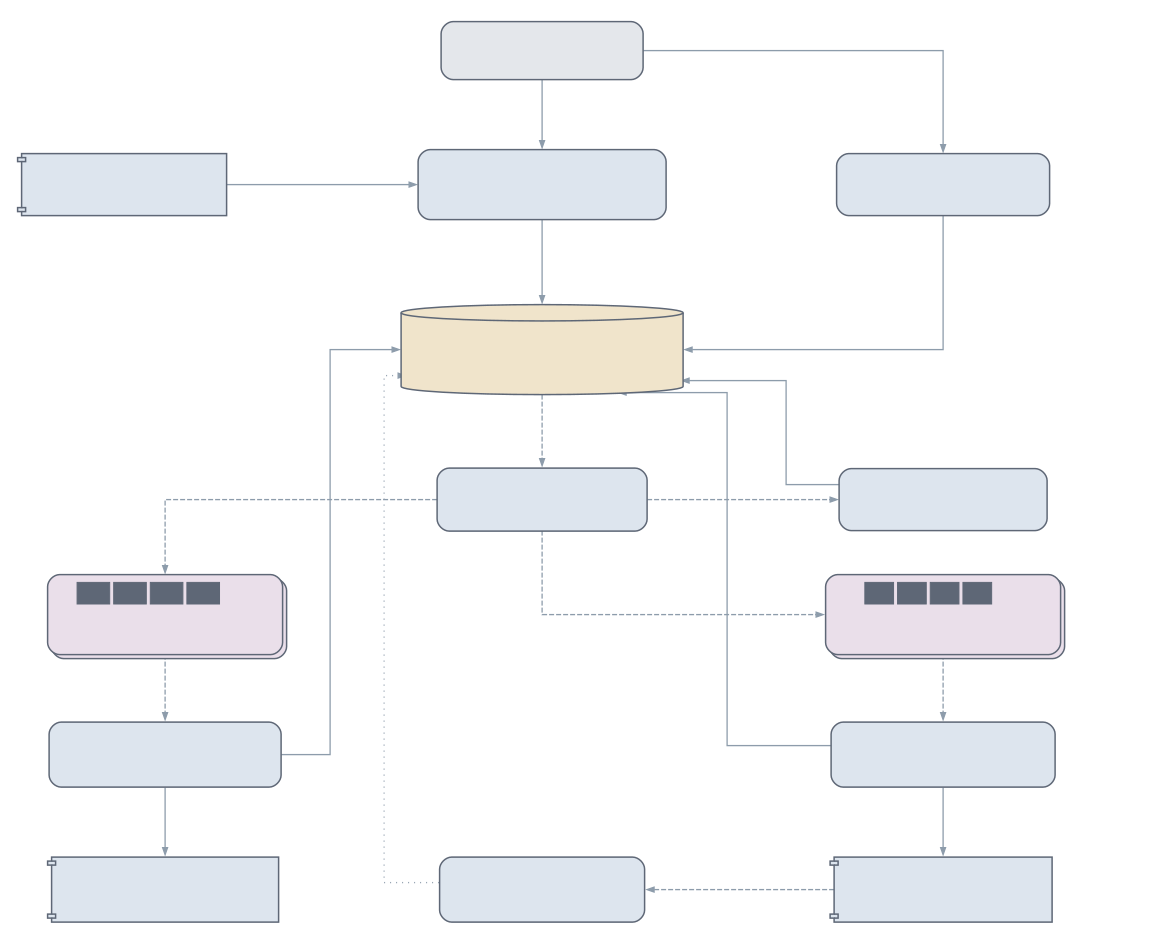
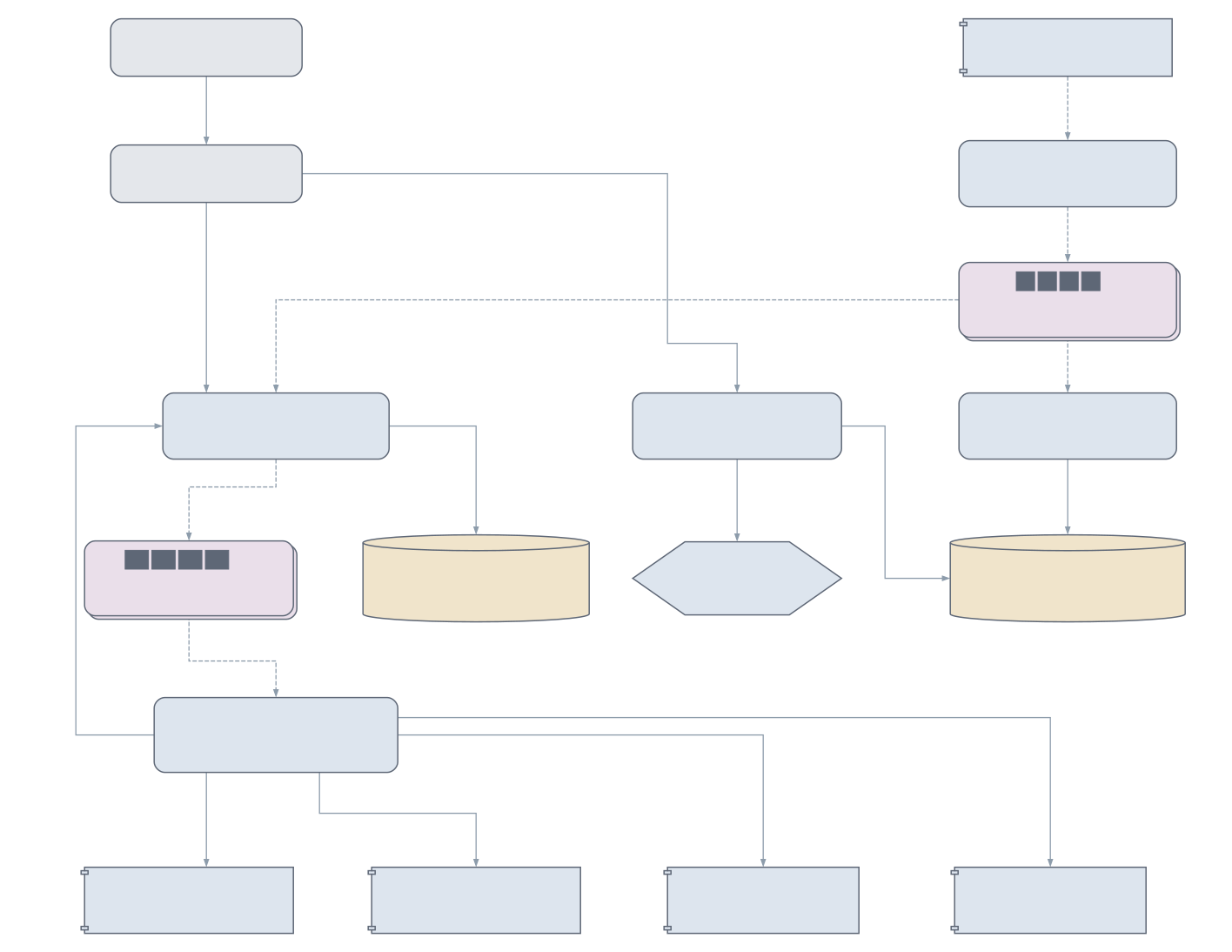
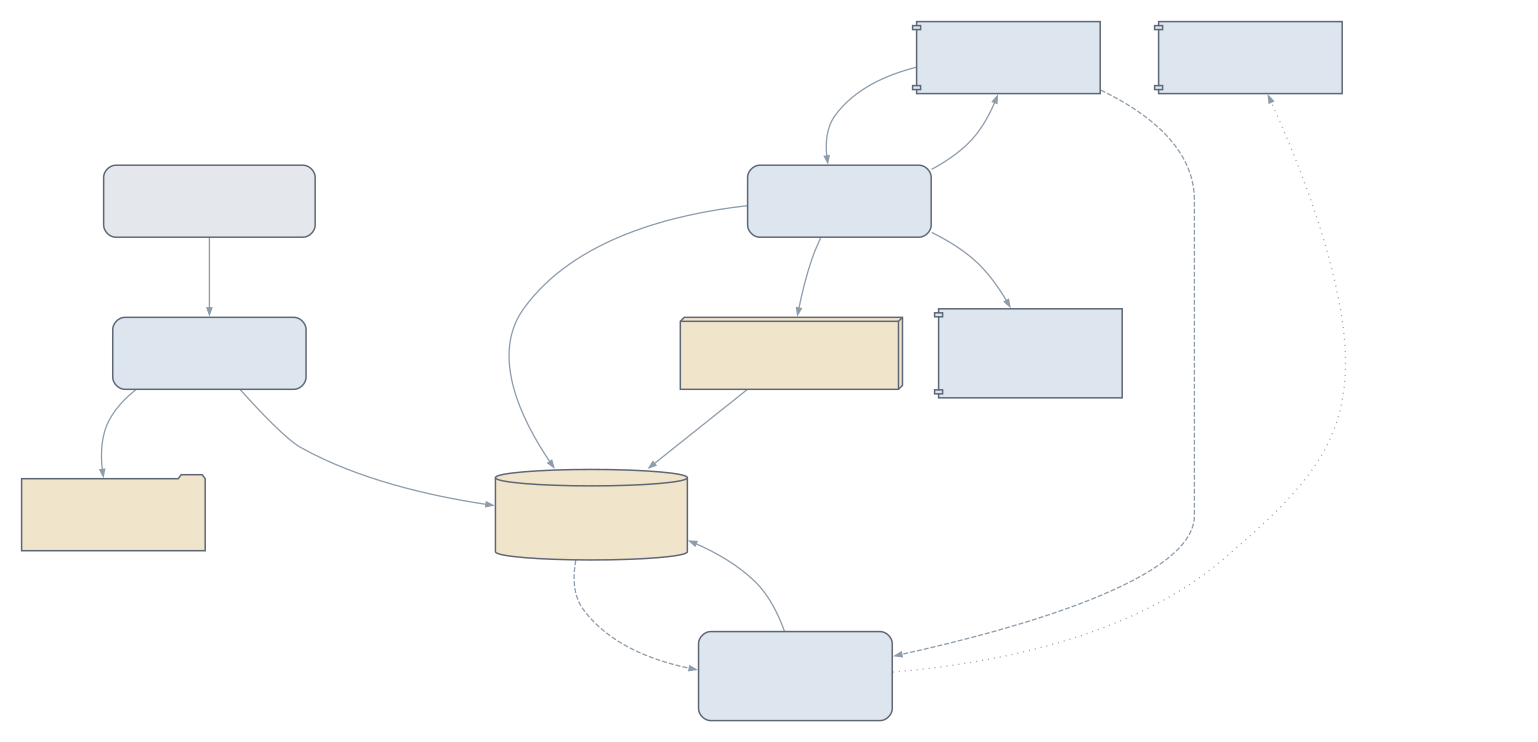
How to draw this design
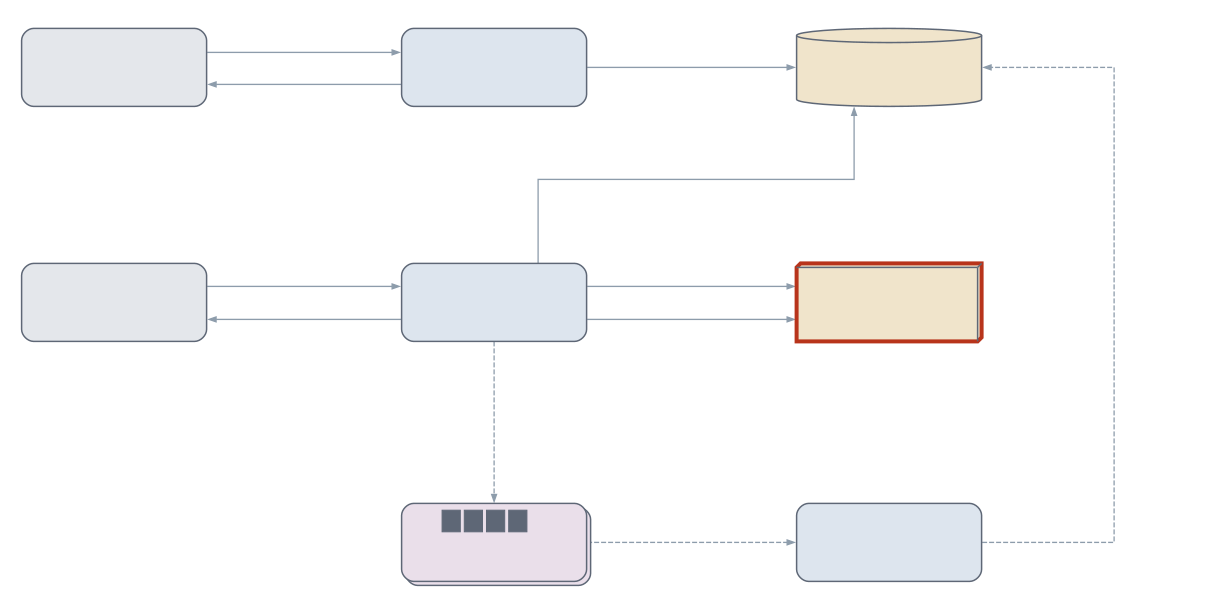
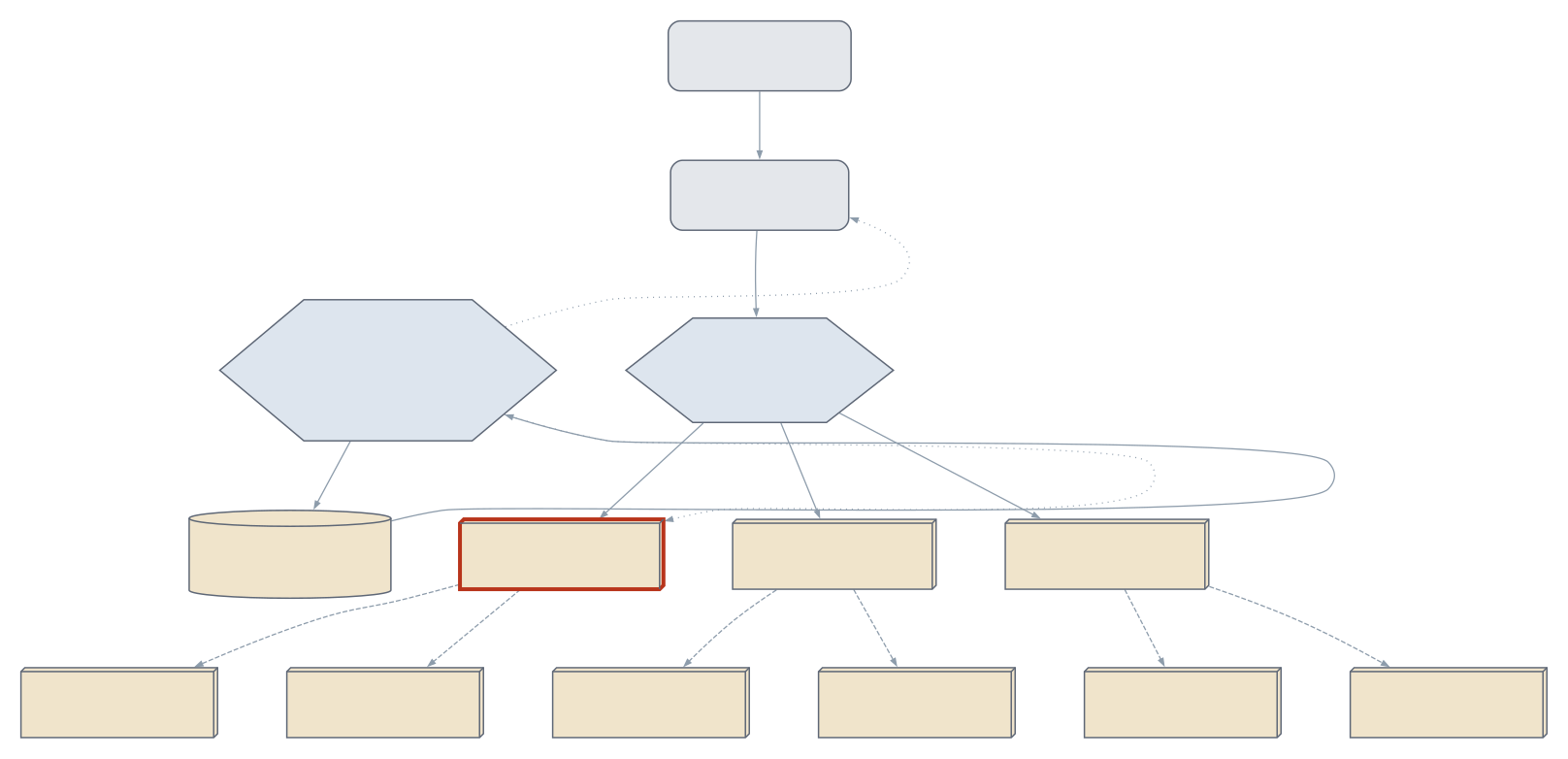
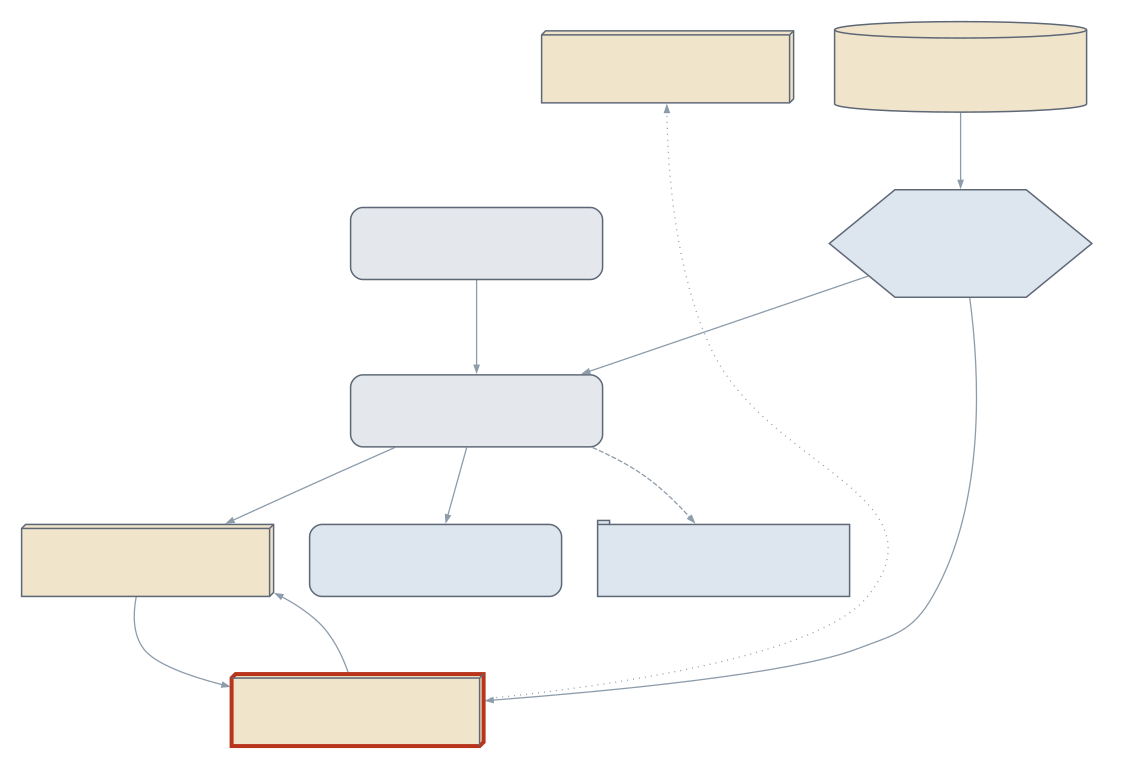
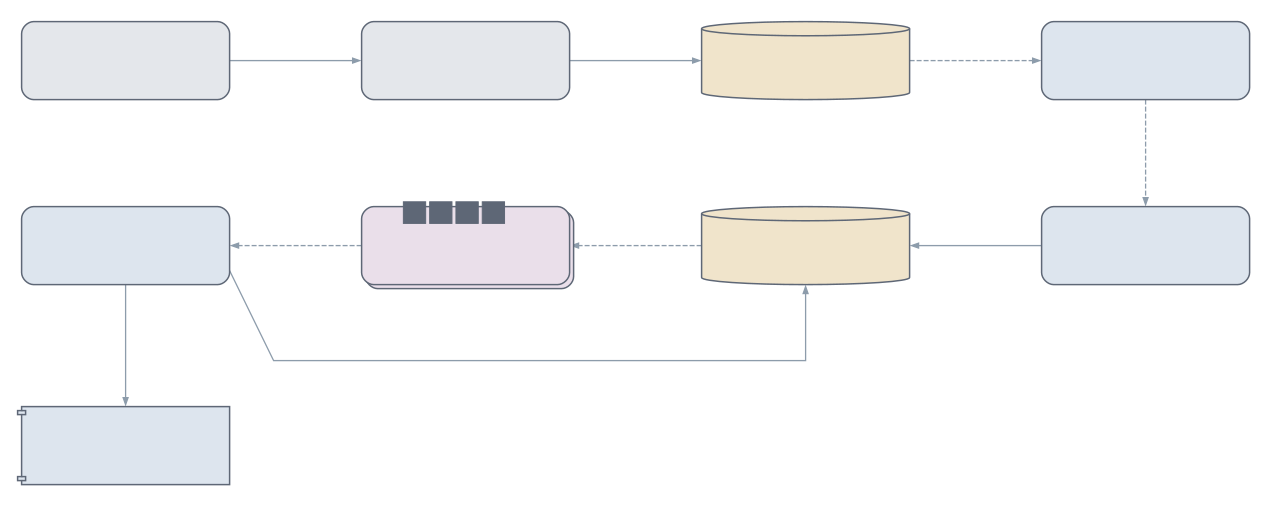
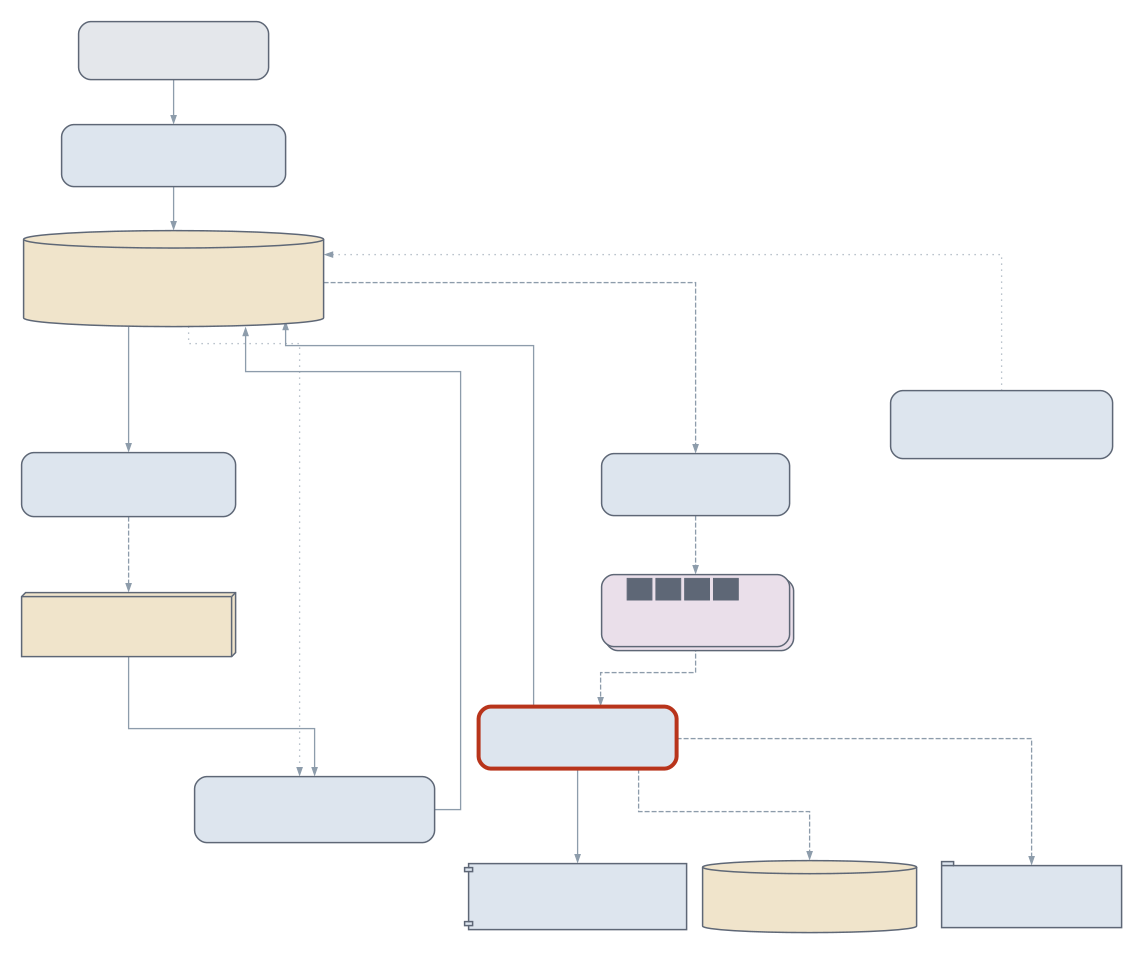
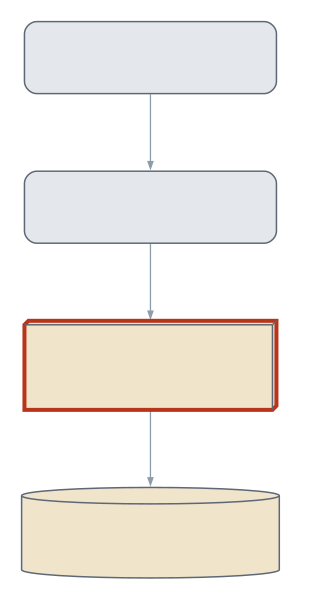
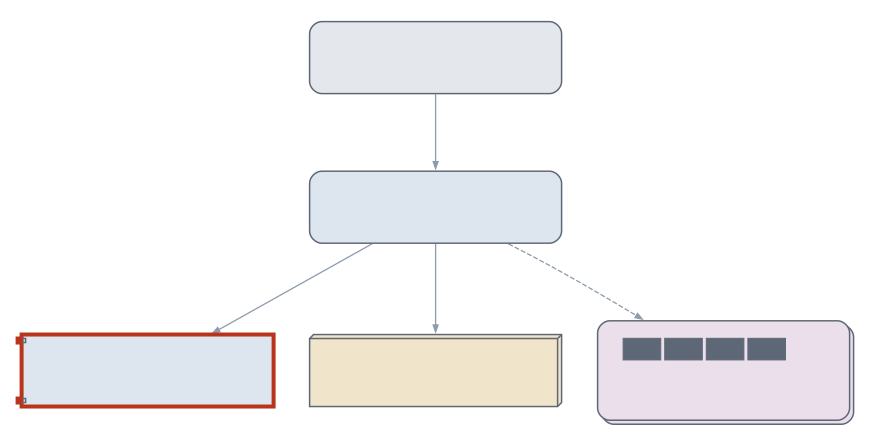
- Capture clicksBrowser, redirect service, ad metadata, and Kafka
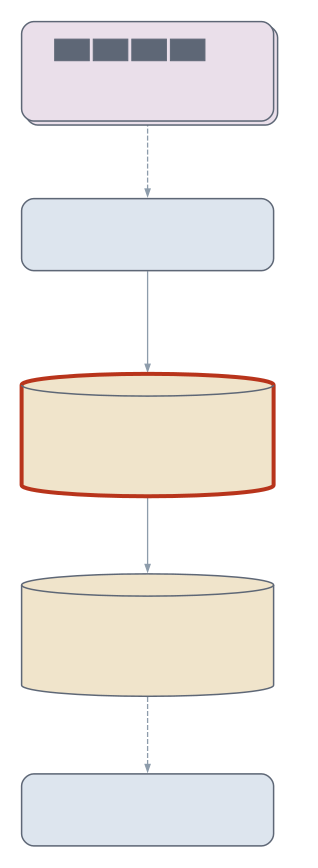
- Count by windowFlink , event-time windows, and hot-ad partials
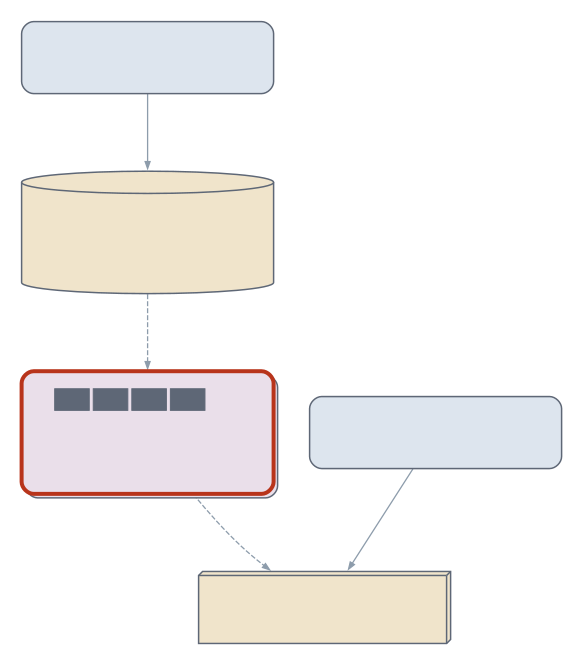
- Retain and reconcileRaw archive, checkpoints, batch , and ClickHouse
- Serve reportsAnalytics and advertiser dashboard
Durably record the click and redirect, then aggregate and publish versioned counts for reporting.
- State ownership
- The raw archive supports replay. ClickHouse holds served count versions.
- Scale
- Partition traffic and split hot ads into mergeable partial counts.
- Correctness
- Deduplicate by the accepted event identity and replace older revisions instead of blindly adding them.
- Failure and recovery
- Replay archived events and publish a reconciled generation when reports need correction.
- Edge
- Compute
- State
- Messaging
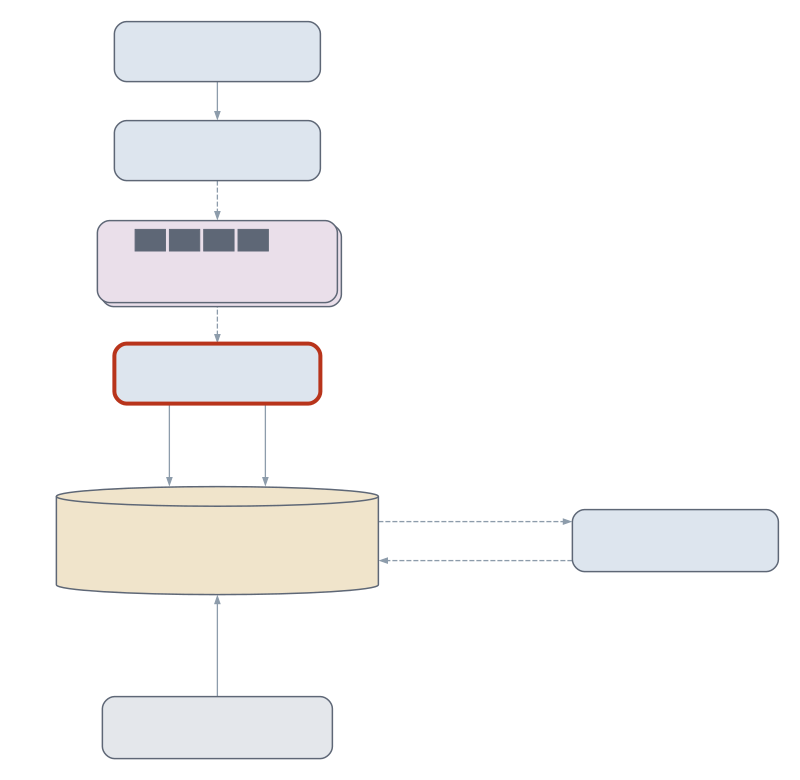
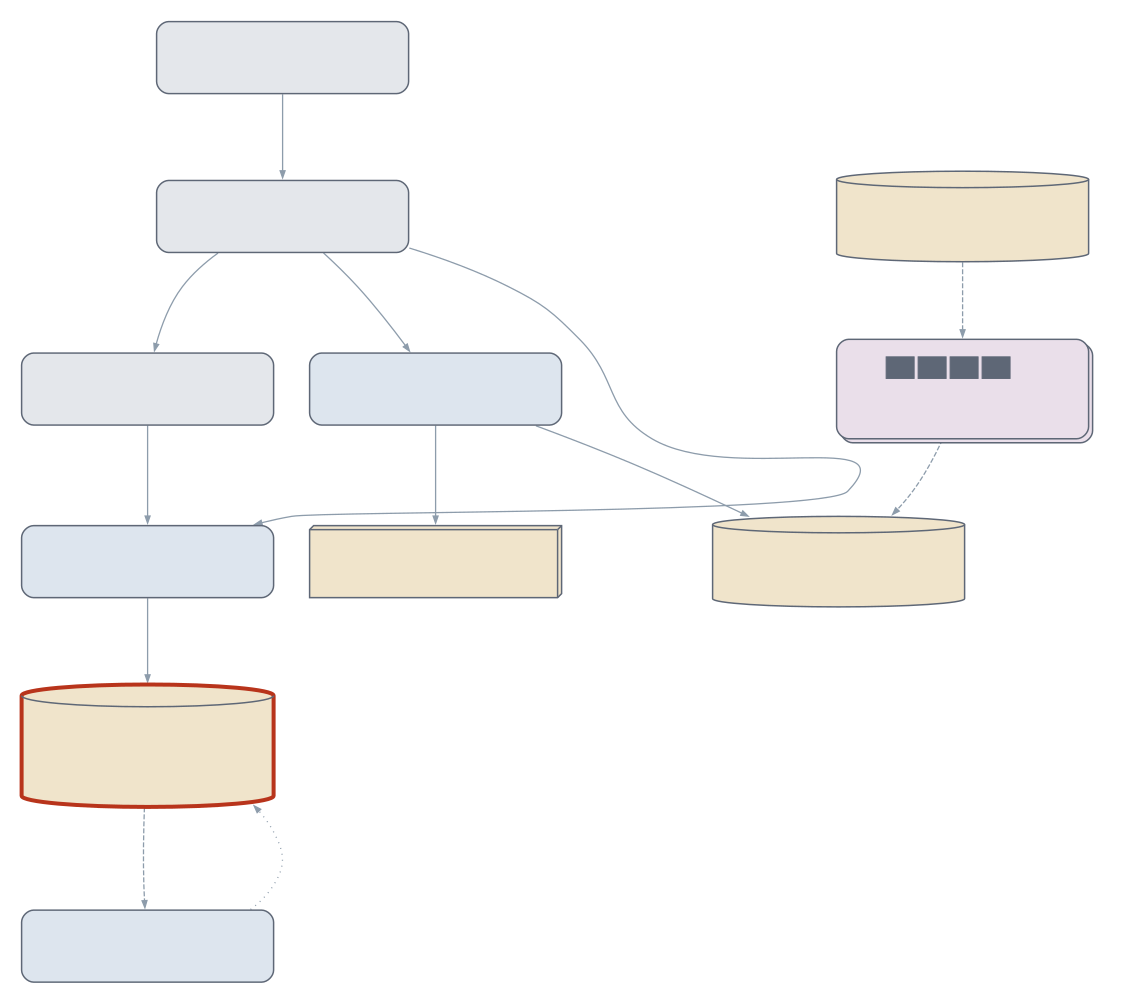
━━ Synchronous┄┄ Asynchronous···· Recovery / control▧ Fault
Each arrow is one interaction. Request, background and recovery branches are not one linear transaction.
Read the 16 flow steps
High-level design component walkthrough
Browser / Ad Impression
Stable signed impression identity
Why, tradeoff and connected operations
An application or user-facing endpoint starts or receives this flow.
Tradeoff: Retries and untrusted client input
Connected operations: Submit request; Pass validated input; Submit request
Click / Redirect Service
Append before HTTP redirect
Why, tradeoff and connected operations
Isolate this operation so it can scale and fail independently from storage.
Tradeoff: Durable adds latency
Connected operations: Submit request; Persist state; Publish event; Pass validated input
PostgreSQL / Ad Metadata
Approved URL and versioned dimensions
Why, tradeoff and connected operations
PostgreSQL owns approved ad destinations and versioned reporting dimensions. Transactions keep administrative changes and their version history consistent. fits authoritative configuration; large analytical counts are served separately.
Tradeoff: Cache and policy freshness
Connected operations: Persist state; Pass validated input
Advertiser Destination
Receive authorized browser redirect
Why, tradeoff and connected operations
Treat another system as a separate failure and retry domain with a documented contract.
Tradeoff: External site availability
Connected operations: Submit request
Kafka: Raw Click Topic
Replicated durable ingestion
Why, tradeoff and connected operations
Kafka retained partitioned stream. Key events by the domain ordering key; replay and independent consumers motivate this choice. rows remain in the source database; a relay publishes after commit. Buffer independent producers and consumers, with bounded and replay semantics.
Tradeoff: Regional durability boundary
Connected operations: Publish event; Consume work; Consume work
Flink Dedup / Windows
Salted event-time partial counts
Why, tradeoff and connected operations
Compute derived state away from request handlers; checkpoints and govern recovery.
Tradeoff: State and checkpoints
Connected operations: Consume work; Persist state; Pass validated input; Pass validated input
Raw Archive / Checkpoints
Reproducible replay and recovery
Why, tradeoff and connected operations
Object storage retains raw events and recovery checkpoints. It supports replay and without keeping all historical data in the hot serving path. This is archival storage, not a or business transaction database.
Tradeoff: Completeness and cost
Connected operations: Consume work; Persist state; Pass validated input
Kafka: Aggregate Output and Sink
Materialize -committed, versioned partials in ClickHouse.
Why, tradeoff and connected operations
-committed updates materialized idempotently into ClickHouse; sink success and source are separate boundaries. Compute derived state away from request handlers; checkpoints and govern recovery.
Tradeoff: Sink contract must be verified
Connected operations: Pass validated input; Persist state
ClickHouse Versioned Counts
Latest partials and report generations
Why, tradeoff and connected operations
ClickHouse is a column-oriented analytics database for aggregate click reports. Reading selected columns and grouped time windows suits large reporting scans. Choose analytical here rather than a row-oriented transactional database; this is not a -versus- decision.
Tradeoff: Query-time version selection
Connected operations: Persist state; Persist state; Persist state
Batch Reconciliation
Dedup and approve replacements
Why, tradeoff and connected operations
Compute derived state away from request handlers; checkpoints and govern recovery.
Tradeoff: Extra compute; delayed finality
Connected operations: Pass validated input; Persist state
Analytics Query API
Authorize and pin report generation
Why, tradeoff and connected operations
Isolate this operation so it can scale and fail independently from storage.
Tradeoff: Bounds on range and dimensions
Connected operations: Submit request; Persist state; Pass validated input
Advertiser Dashboard
Show provisional/reconciled counts
Why, tradeoff and connected operations
An application or user-facing endpoint starts or receives this flow.
Tradeoff: Freshness differs from correctness
Connected operations: Submit request; Pass validated input
Engineering control room
Deep dives — decisions, failures and recovery
Open a deep dive to follow the steps, try an example and see how recovery works.
Additional technical detail
1 · Requirements and correctness contract
Record valid ad clicks, redirect users to an approved advertiser destination and expose counts by ad and time range at one-minute granularity. Recent counts appear within 5–15 seconds and are explicitly provisional. Retries must not inflate logical counts. Exclude ad auctions, targeting, creative generation and sophisticated fraud classification. Enrichment and mobile batching are bounded extensions.
This article follows the accessible guided Ad Click Aggregator design in the Google Interview Prep chat: Kafka → Flink → , with raw archival and independent . The details below make dedup , sink publication and regional ownership explicit. All scale figures are interview assumptions.
- Counting policy: one count per valid impression identity, not once per user forever. If repeated intentional clicks on the same impression must count separately, introduce a stable click-attempt ID and change the policy throughout ingestion, replay and .
- Targets: 10M active ads, 1k clicks/s average, 10k/s peak, analytics queries below 1 second and low click-to-redirect latency (assume below 200 ms locally). Peak service latency depends on the chosen durable requirement.
- Durability: a successful redirect is returned only after the event is durably accepted under the agreed failure domain. Regional Kafka replication across AZs protects failure; it does not prove zero loss after permanent region loss.
- Reporting: provisional dashboards favor freshness; reconciled reports use an explicit input cutoff, counting-policy version and revision. Billing consumes approved reconciled reports, never a silently changing provisional number.
2 · Scale and capacity
| Assumption / calculation | Implication |
|---|---|
| 1,000/s × 86,400 = 86.4M clicks/day | Ten-million active ads do not imply all ads have traffic in every minute; store sparse aggregates. |
| 500 bytes/event × 86.4M ≈ 43.2 GB/day raw | Three Kafka replicas and seven days ≈ 907 GB before overhead/compression; archive has an independent policy. |
| 10k/s peak × 500 bytes ≈ 5 MB/s raw ingress | Network is manageable at this assumption; partition skew, checkpoints and external sink writes may dominate. Benchmark before over-sharding. |
| 86.4M IDs × 32 bytes ≈ 2.76 GB minimum for 24-hour dedup state | Add state-backend/index overhead, traffic variance and checkpoints. Extend the window when token validity + retries + accepted delay require it. |
| 10M ads × 1,440 minutes/day = 14.4B theoretical dense buckets | Do not preallocate empty buckets. Add dimensions only after cardinality budgeting. |
| 10-minute outage at 10k/s = 6M events; 20k/s recovery minus 10k/s arrival | Roughly 10 minutes to catch up. must cover outage plus drain time and archive/ lag. |
3 · APIs, entities and store choices
| / entity | Ownership and semantics |
|---|---|
| GET /click?token=... → HTTP 302 | Signed token binds impressionId, adId, expiry and authorized metadata version. Resolve a validated destination; never accept an arbitrary redirect URL from the caller. Append before returning Location. |
| Ad(adId, advertiserId, destination, status, version); Campaign(version, dimensions, validFrom) | PostgreSQL owns configuration, approved URLs and versioned metadata. Click service uses bounded caches with explicit disabled-ad/expiry policy. |
| ClickEvent(eventId, impressionId, adId, eventTime, receivedAt, region, metadataVersion, policyVersion) | Kafka durable input, with stable logical identity across retries. Raw object archive preserves original accepted events and partition/offset manifests for replay. |
| DedupState(impressionId, firstAcceptedEvent, expiry) | Flink checkpointed keyed state; dedup spans minute boundaries. covers accepted token/retry/replay semantics. Duplicates with different timestamps cannot choose different windows. |
| PartialAggregate((generation, adId, minute, salt, dimensions), count, revision) | Streaming state emits absolute counts, not blind additive retries. A committed update topic/materializer publishes monotonic versions to . |
| GET /v1/ads/{id}/clicks?from=...&to=...&granularity=minute | Analytics authenticates advertiser ownership, bounds time range/dimensions and returns count, dataThrough, reportGeneration and provisional/reconciled status. |
| ReconciliationReport(generation, sourceManifest, policyVersion, status, checksums) | Object storage stages complete recomputation; a small transactional publication registry switches an approved report generation. stores the report rows. |
Choose Kafka for replayable ingestion, Flink for event-time keyed state, ClickHouse or an equivalent store for reporting, and object storage for raw/archive/checkpoints. PostgreSQL configuration and report metadata can share one database. Redis is optional for metadata caching; it is not required as the counting authority.
4 · Deep dive 1 — Durable ingest and logical deduplication
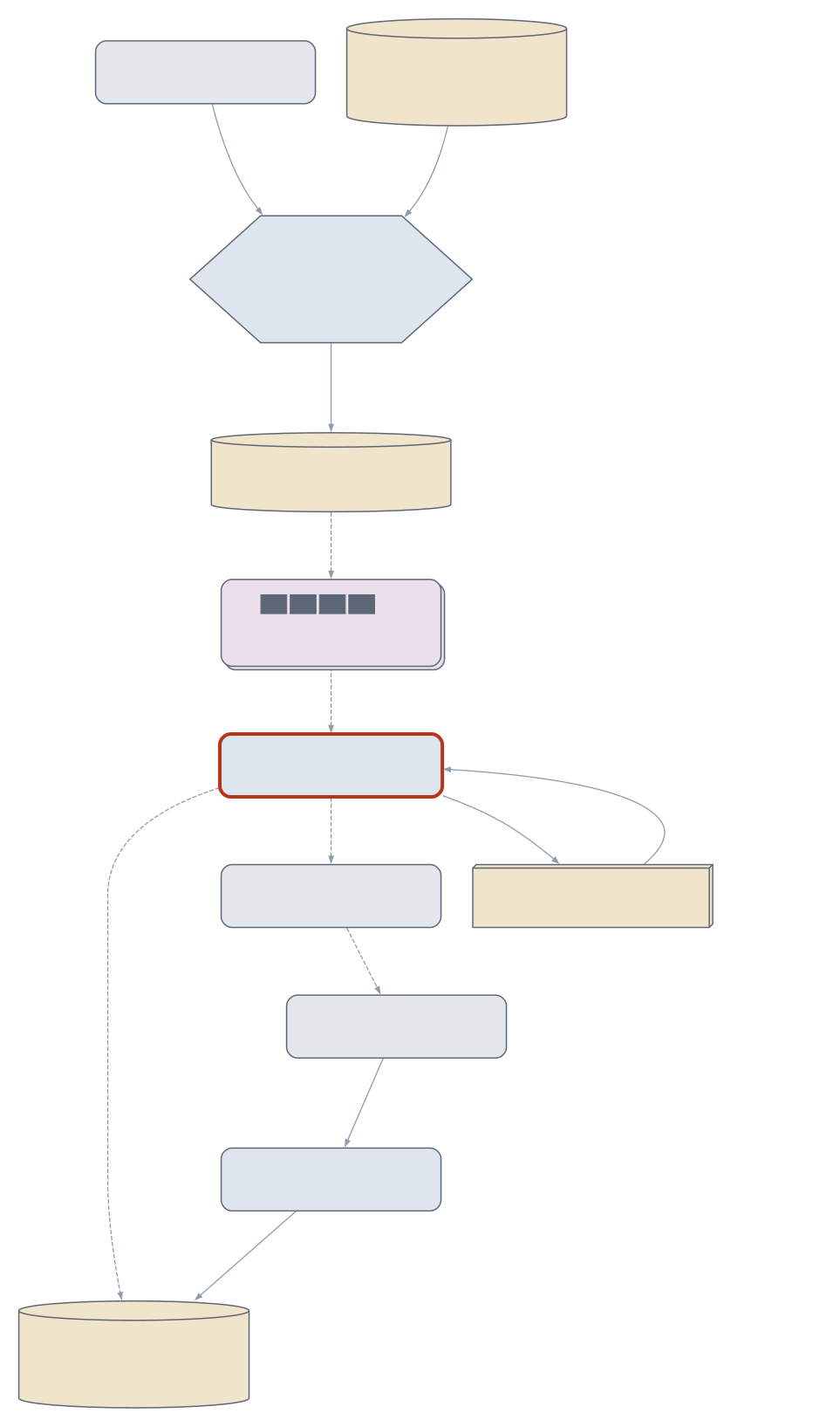
The ad server creates a signed impression identity when displaying the ad. On click, the service validates signature, expiry and destination policy, assigns/validates canonical event time, and appends to replicated Kafka. Use producer idempotence, appropriate all-in-sync-replica ACKs, minimum in-sync replicas and safe leader election. If durability is unavailable, fail/retry or use a separately designed durable ingestion path. Redirecting while silently dropping the event is a different product contract.
An can be lost after append. Browser retries carry the same logical impression identity; dedup precedes counting. Producer idempotence alone cannot deduplicate two different service instances handling the same HTTP retry. Key Flink dedup by impression identity (or deterministically salted ad+impression partition) so duplicates converge on one state owner. Preserve the first accepted logical event's timestamp and policy outcome.
Do not SET NX in Redis before Kafka and treat that as exactly-once: a crash between those steps marks an event seen without recording it. Reversing the order can duplicate ingestion, which is acceptable only if downstream dedup is correct. offsets, dedup state and window state consistently. Flink fault-tolerance documentation distinguishes exactly-once state recovery from end-to-end sink effects.
/replay: token validity and accepted retries must fit the live dedup horizon; enforce late-token rejection. Keep tombstones/state long enough for in-flight delay. Replaying months of raw data into today's state is unsafe: rebuild in an isolated generation with complete dedup over that report's accepted input. Tradeoff: longer dedup costs state/ time; shorter requires a stricter product retry horizon. A signature proves provenance, not that a human clicked.
5 · Deep dive 2 — Hot ads and safe partial-count merging
A viral ad may dominate one partition. Use a fixed generation-specific salt, for example hash(impressionId) mod 16, so the same impression always lands in the same stripe. Dedup before partial counting. A first stage maintains (ad, minute, dimensions, salt); a second stage receives compact partial snapshots and merges them. Salting reduces hot input pressure but adds state and publication complexity; do not remove the salt and overwrite one total independently from 16 workers.
Concrete safe publication: Flink emits absolute partial snapshots into a transactional Kafka output topic coordinated with checkpoints. A read-committed materializer assigns an ordering revision from the committed output partition/offset; all updates for one partial key remain on one partition for that generation. stores append-only versioned rows. Queries select the newest row per partial key before summing salts. Do not rely on eventual background merges to hide duplicates from queries. The sink adapter must be tested for its actual transactional/read-committed guarantees.
An alternative is a sink with compare-and-set/ on (generation, partialKey, revision); stale revisions must never overwrite newer counts. Blind count += delta on retry is unsafe. Report corrections belong to a separate approved generation, so a delayed streaming writer cannot overwrite finalized corrections. A generation change includes new salt/partition mapping and a complete cutoff; no in-place repartitioning that makes offset revisions incomparable.
Recovery: replay committed output and insert the same key/revision; duplicate physical rows produce one logical partial at query time. An outage pauses materialization while Kafka retains output. First-stage checkpoints restore dedup/counters together; aborted output is invisible. Tradeoff: this adds a durable output stream and query-time latest-version work, but provides an explicit boundary for external effects instead of assuming Flink automatically fixes every sink.
6 · Deep dive 3 — Event time, watermarks and enrichment
Bucket events by trusted event time in UTC, not worker arrival time. A click at 10:01:58 arriving at 10:02:03 belongs to the 10:01 bucket. For web redirects, server-received time of the first accepted logical event is a simple contract; offline mobile events need bounded clock-skew/age validation and a separately stated event-time policy.
Watermarks estimate progress; choose a permitted out-of-order interval and allowed lateness, for example 2 minutes plus a 5-minute correction allowance. Mark idle partitions appropriately so one idle source does not stall every window; guard against a far-future event advancing progress incorrectly. Emit provisional counts periodically, update windows while retained, and route events beyond retained window state to a correction stream/archive. Finalized-for-streaming does not mean immune to later .
Enrich using metadata valid at the event's effective time or a version captured in the signed impression/event. A campaign rename must not retroactively change historical dimensions unless the report definition asks for that. Cache/broadcast small versioned dimensions; larger joins use bounded asynchronous lookups. Missing metadata goes to a retry/unknown-dimension path with an explicit completeness indicator, not silent discard. Preserve dimension/policy versions in the raw archive for deterministic replay.
Mobile batching reduces connection/battery cost at the expense of freshness. Each event keeps its own stable ID, timestamp and token; a batch ID is not sufficient dedup. Limit bytes/event count, retry with , return per-item acceptance and define an offline acceptance horizon. Never infer that a whole batch failed because its HTTP response was lost.
Tradeoff/recovery: longer lateness retains more state and delays final status. On restore, replay retains original event time and metadata version. Event-time bugs or enrichment changes require rebuilding a new report generation, not adding another delta to the old count.
7 · Deep dive 4 — Reconciliation and multi-region ownership
Archive raw Kafka input with partition/offset manifests and checksums. Commit archive progress only after objects and are durable. Monitor archive lag against ; increase or stop claiming recoverability if offsets age out before archival. Raw copies themselves can duplicate events; batch recomputation still deduplicates stable logical IDs according to the same policy.
A batch job recomputes a closed input cutoff into a new generation, validates counts and differences, then publishes through an report-generation pointer after all rows are available. Keep the old generation for rollback/audit. Streaming continues for open windows separately. Advertiser reports pin a generation/cutoff so pagination does not mix revisions. Investigate significant discrepancies; approved corrections replace counts and record reason/version instead of blindly incrementing.
For multi-region ingest, assign each logical impression to a canonical aggregation owner or route replicated regional logs into one dedup domain. Two independent regions must not both count the same retry and then sum totals. Failover retains impression identity and fences ownership epochs. Data can enter the nearest region, but counting ownership and cross-region transport cost must be explicit.
Baseline: Kafka replicated across AZs with asynchronous remote copy has nonzero regional . If every successful redirect must survive permanent region loss, delay until durable storage in the required remote failure domain succeeds (or use an appropriate globally replicated log). This increases redirect latency and reduces availability during partitions. If ownership cannot be established, pause finalization and keep provisional status; do not announce global exactly-once counting. Recovery restores committed checkpoints/offsets, fences old writers and rebuilds lost projections from complete raw manifests.
8 · Failure recovery, operations and cost
| Failure / race | Response |
|---|---|
| Click appended; redirect response lost | Retry same impression ID; stateful dedup yields one logical count even across minute boundaries. |
| Kafka below required replica | Fail/retry tracking or use explicitly provisioned durable fallback. Do not report success from process memory alone. |
| Flink crashes after emitting uncommitted output | Restore consistent ; transactional output is read only after commit. Reprocess input safely. |
| write succeeds but materializer fails | Repeat same partial key/revision; latest-version query returns one logical value. No additive retry. |
| Archive lags near Kafka | Alert on oldest unarchived offset, extend /admit less traffic and recover archival capacity. Independent needs complete source data. |
| Bad aggregation deployment | Stop publication, replay verified raw manifests into a fresh generation, compare and atomically switch. Preserve audit history. |
| Regional duplicate input or split ownership | Canonical dedup/owner , stable IDs and fenced publication. Delay finalized reporting if completeness is unknown. |
Monitor redirect latency/error rate, broker , ingestion/processing/archive lag, age, duration/failures, dedup ratio, hot-partition utilization, query latency, source-to-report freshness and deltas. Rate-limit token abuse and advertiser queries; validate redirect domains, encrypt archives, restrict raw event access and reduce identifiers/IP . Cost drivers are dedup state, retained logs/archive, dimension cardinality, versions and repeated backfills. Compact only after correctness/ gates. Test corrupt inputs, lost ACKs, late events and sink outages before rolling schemas or salt mappings.
9 · Final architecture and repeat queue
I durably record a validated click before redirecting. Stable impression identity lets a checkpointed Flink pipeline deduplicate and aggregate one-minute event-time counts. Deterministic salting distributes hot ads; absolute versioned partials pass through a committed output stream into , where reads choose the latest partial before summing. Dashboards expose freshness and provisional status. Raw events and manifests support independent deduplicated into approved report generations. Late events, enrichment versions and retry horizons are explicit. Across regions, a click has one counting authority, and the redirect 's durability domain is stated. I monitor ingest, , archive and lag so recovery capacity is measurable.
Tradeoffs and alternatives
| Decision | Tradeoff / alternative and recovery implication |
|---|---|
| Store the click before returning the redirect | Retry the same click identity after a lost response. Which regional failures it survives depends on where the log copies were committed. |
| Do not add a count again when an update repeats | Read committed updates, select the newest valid partial and then sum. Keep source positions and processing state recoverable together. |
| Make corrections reproducible | Keep provisional and approved reports visibly different. Late events can revise a report only under the stated cutoff and correction policy. |
| What happens if a region fails? | Global coordination adds latency/state; partition ownership plus later accepts a clearly stated reporting-delay trade-off. |
| Decide how late clicks change a report | Longer lateness support increases state and correction churn; earlier finality improves reporting stability while excluding more delayed input. |
Production scars & failure modes
A materializer writes the count, loses its ACK and consumes the update again.
Look for: Inspect source offset, window key, report generation and absolute-count revision.
Recovery and invariant: a committed absolute count with a monotonic revision; do not blindly add retried partials. Reconcile from a declared raw-input .
| Component / failure | Required behavior / recovery | Operational implication |
|---|---|---|
| Click appended; redirect response lost | Retry same impression ID; stateful dedup yields one logical count even across minute boundaries.. | Retry same impression ID; stateful dedup yields one logical count even across minute boundaries. |
| Kafka below required replica | Fail/retry tracking or use explicitly provisioned durable fallback. | Do not report success from process memory alone. |
| Flink crashes after emitting uncommitted output | Restore consistent ; transactional output is read only after commit. | Reprocess input safely. |
| write succeeds but materializer fails | Repeat same partial key/revision; latest-version query returns one logical value. | No additive retry. |
| Archive lags near Kafka | Alert on oldest unarchived offset, extend /admit less traffic and recover archival capacity. | Independent needs complete source data. |
| Bad aggregation deployment | Stop publication, replay verified raw manifests into a fresh generation, compare and atomically switch. | Preserve audit history. |
| Regional duplicate input or split ownership | Canonical dedup/owner , stable IDs and fenced publication. | Delay finalized reporting if completeness is unknown. |
90-second interview summary
I would separate click acceptance, stream counting and report publication. The redirect service validates the impression and destination, then waits for the agreed durable Kafka append before returning a redirect. Event identity stays stable across retries; a lost redirect response must not create another logical billable click.
Flink deduplicates before assigning event-time windows and keeps state long enough for the supported retry and lateness policy. Aggregation emits absolute counts with generation and revision, and the materializer updates ClickHouse idempotently instead of blindly adding retried partials.
Raw events are archived with complete partition/offset manifests and checksums. Batch recomputes a declared input/policy cutoff into a new report generation, validates differences and publishes only after the generation is complete. Readers pin a generation so pagination does not mix corrections.
I would define counting ownership across regions, reconcile duplicate regional acceptance by logical identity and state the durability/loss window of remote replication. Metrics include oldest input lag, dedup-state growth, archive lag versus and report discrepancies. The tradeoff is durable evidence and reproducible reporting versus delayed finality, retained state and explicit correction policies; accepting a click does not imply its final analytical count is already visible.
Explain it without looking
Explain store the click before returning the redirect
Reveal answer
Wait for the agreed durable log acknowledgement after validation.
A click stored only in process memory can disappear after the user was already redirected successfully.
Retry the same click identity after a lost response. Which regional failures it survives depends on where the log copies were committed.
Explain do not add a count again when an update repeats
Reveal answer
Deduplicate logical clicks and publish absolute counts with versions.
A stream processor's guarantees do not make repeated increments in an unrelated reporting database safe.
Read committed updates, select the newest valid partial and then sum. Keep source positions and processing state recoverable together.
Explain make corrections reproducible
Reveal answer
Recompute a declared input range and publish a complete new report version.
A live stream must not overwrite a verified historical correction with an older partial result.
Keep provisional and approved reports visibly different. Late events can revise a report only under the stated cutoff and correction policy.
Explain what happens if a region fails?
Reveal answer
Preserve click identities so regional failover does not count a retry twice.
A regional failover must preserve the meaning of one counted click, not just keep both streams moving.
Global coordination adds latency/state; partition ownership plus later accepts a clearly stated reporting-delay trade-off.
Explain decide how late clicks change a report
Reveal answer
Define which delayed clicks may revise a window and when results become final.
A counter is meaningful only with an explicit time, duplicate and finality policy.
Longer lateness support increases state and correction churn; earlier finality improves reporting stability while excluding more delayed input.
Revision checklist
Revision checklist
- Reconstruct store the click before returning the redirect: Wait for the agreed durable log acknowledgement after validation.
- Reconstruct do not add a count again when an update repeats: Deduplicate logical clicks and publish absolute counts with versions.
- Reconstruct make corrections reproducible: Recompute a declared input range and publish a complete new report version.
- Reconstruct what happens if a region fails?: Preserve click identities so regional failover does not count a retry twice.
- Reconstruct decide how late clicks change a report: Define which delayed clicks may revise a window and when results become final.
- Name the authoritative state, boundary, retry identity and failure-domain durability guarantee.
- Explain one alternative and exactly which guarantee you would relax.
- Redraw the request and recovery paths without looking; mark what required a hint.
60-minute interview outline
60-minute interview walkthrough
| Time | Focus | What to cover |
|---|---|---|
| 0–5 min | Introductions | Introduce yourself briefly and confirm the interview format. |
| 5–15 min | Scope and scale | Scope redirect latency, reporting freshness, and . Estimate click traffic and skew from a large campaign. |
| 15–30 min | High-level design | Trace a click through durable ingestion, and event-time aggregation, then to ClickHouse and the reporting . |
| 30–45 min | Deep dives | Explain the dedup key, late events, and why a hot campaign needs salted partial counts. |
| 45–55 min | Failure and recovery | Walk through replay or a late correction. Reconcile from archived input and publish versioned replacement totals. |
| 55–60 min | Wrap-up | Summarize the design and its main tradeoff. Leave time for questions. |
On this page
- Problem statement
- Functional requirements
- Non-functional requirements
- Back-of-the-envelope estimates
- Entities
- API design
- High-level design
- High-level design component walkthrough
- Engineering control room
- Deep dives — decisions, failures and recovery
- Tradeoffs and alternatives
- Production scars & failure modes
- 90-second interview summary
- Explain it without looking
- Revision checklist
- 60-minute interview walkthrough