Hotel Booking System
The guest is charged for the last room, then the booking worker crashes before confirmation.
Topic tools
Layout updated
Problem statement
Design a hotel booking service. Guests can search by location and dates, see a price, hold a room for the whole stay, pay, and receive or cancel a reservation.
Functional requirements
- Search hotels and room types by location, dates, guests and filters.
- Quote price and policy, hold all requested nights, take payment and return booking status.
- Cancel reservations and track any refund separately.
- Ingest hotel inventory updates and obtain partner confirmation for shared stock.
Non-functional requirements
- Prevent overbooking of owned stock. For shared stock, require confirmation from the hotel's authority.
- Target discovery under 300 ms and owned hold under 250 ms in the home region. Measure provider time separately.
- Acknowledge inventory writes after synchronous multi- durability. Keep discovery available during booking outages and fail closed if ownership is uncertain.
- Protect guest data and payments with authorization, tokenized payment details, signed callbacks and an audit trail.
- Bound hold age, checkout extensions and retry load. Track unresolved payments, partner drift and recovery time.
Back-of-the-envelope estimates
| Illustrative estimate |
|---|
| Assume 100,000 hotels, 5 room types per hotel and 365 days on sale. That is 182.5 million daily inventory rows if all stock is modeled locally. |
| 10 million searches/day is about 116/s average and 1,160/s at 10× peak. Use OpenSearch and cached availability for discovery. |
| 200,000 hold attempts/day is about 2.3/s average and 23/s at 10× peak. A hot hotel can concentrate those writes on a few date rows. |
| At 3 nights per stay, 200,000 successful holds would touch 600,000 inventory rows/day at creation. Confirmation or release adds up to 600,000 more row changes before cancellation and retries. |
| At 128 bytes of base data per daily row, 182.5 million rows are roughly 23 GB before indexes, , replicas and bloat. Measure actual storage and use rolling date partitions. |
Entities
| Entity / logical owner |
|---|
| Hotel + room type → catalog and inventory authority |
| Daily inventory → (hotel_id, room_type_id, stay_date) |
| Reservation + reservation_night → stay allocation and lifecycle |
| Quote → amount, currency, rules and validity |
| Request , provider operations, inbox and → recovery |
| Partner availability + feed cursor → advisory discovery stock |
API design
| Operation / input | Response and retry contract |
|---|---|
GET/v1/hotels?location&checkIn&checkOut&guests&cursor | 200 with paginated hotel/room-type results and availability as of a timestamp. Recheck at checkout. |
POST/v1/quotes {hotelId, roomTypeId, checkIn, checkOut, guests, quantity} | 201 with quoteId, amount in minor units, currency, policy and validUntil. A quote does not allocate inventory. |
POST/v1/holds {quoteId} + Idempotency-Key | 201 with reservationId and expiresAt for owned stock. For shared stock, 202 while partner hold or booking is pending. Return 409 for stale quote, sold-out dates or key reuse with a different request. |
POST/v1/reservations/{id}/checkout {paymentMethodToken} + Idempotency-Key | 202 with current state. Verify ownership and quote, record one logical payment operation and dispatch it durably. |
GET/v1/reservations/{id} | 200 with booking and payment states, deadline and confirmation reference when committed. Authorize access by customer. |
POST/v1/reservations/{id}/cancel + Idempotency-Key | 202 when cancellation or compensation is pending. Return current state on retry. Enforce the stored cancellation policy. |
POST/v1/webhooks/{provider} | 2xx after signed event validation and durable . Process callbacks asynchronously and reconcile missing or out-of-order events. |
High-level design
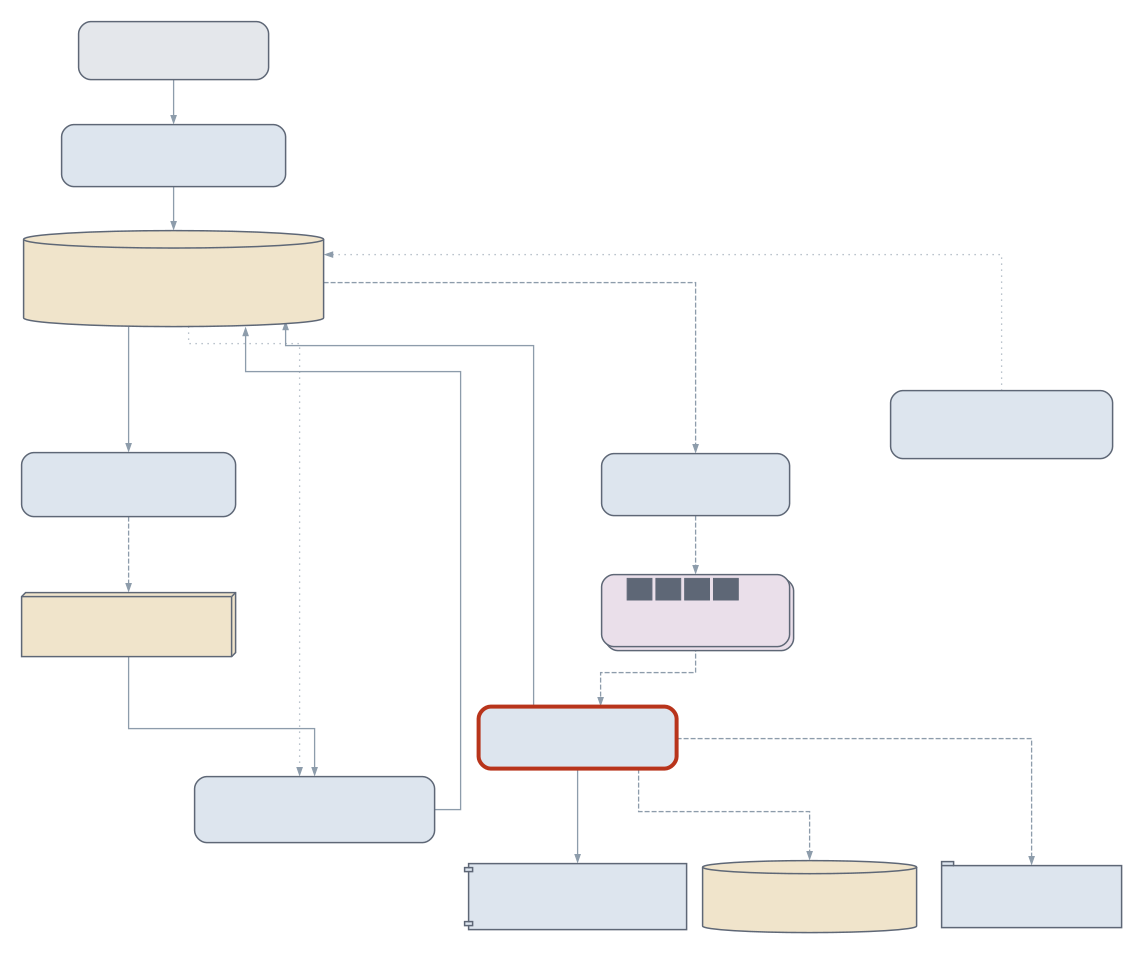
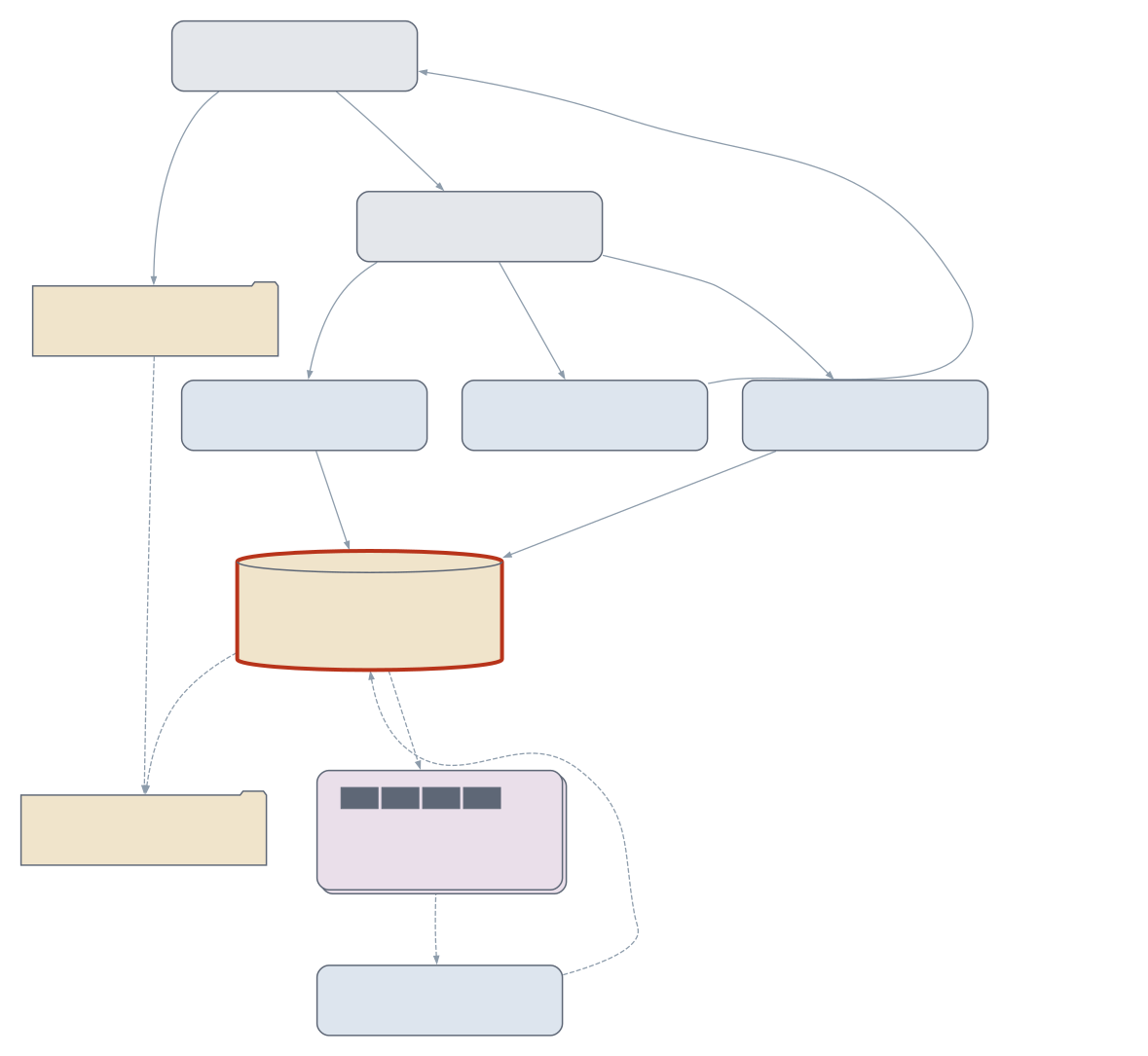
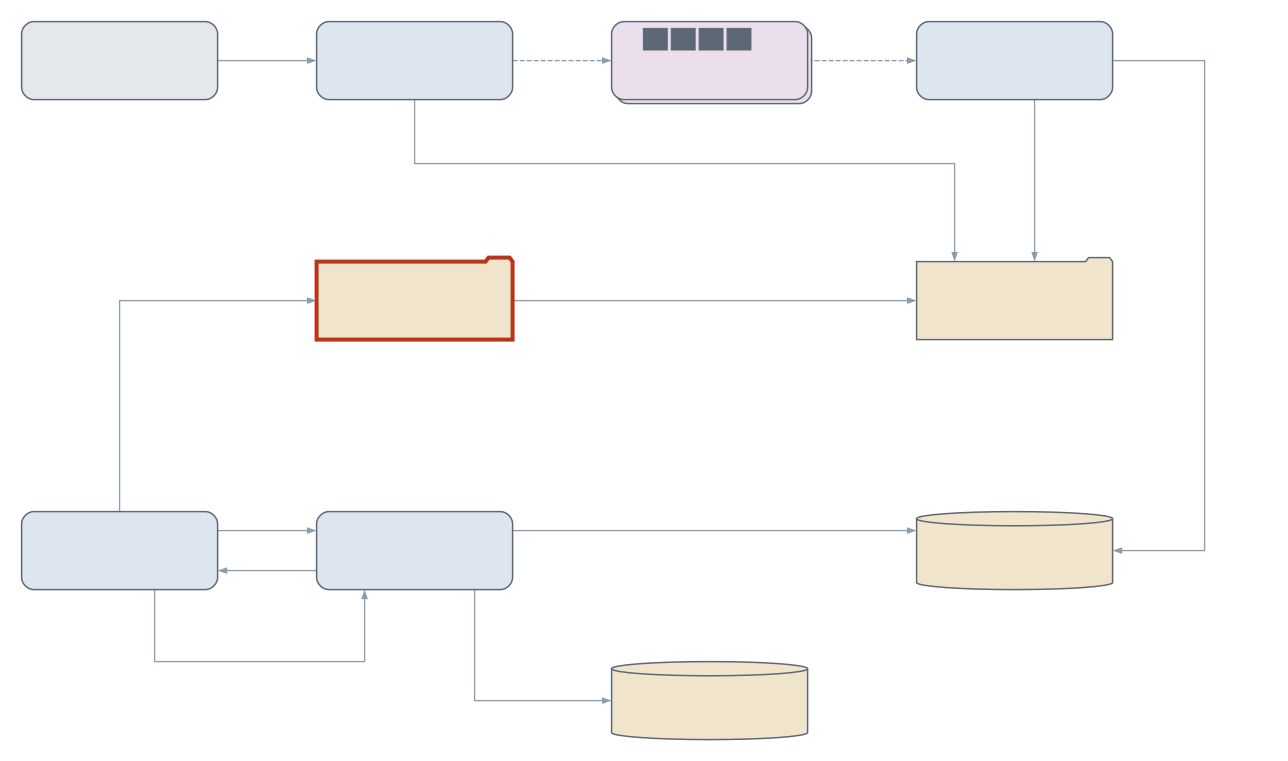
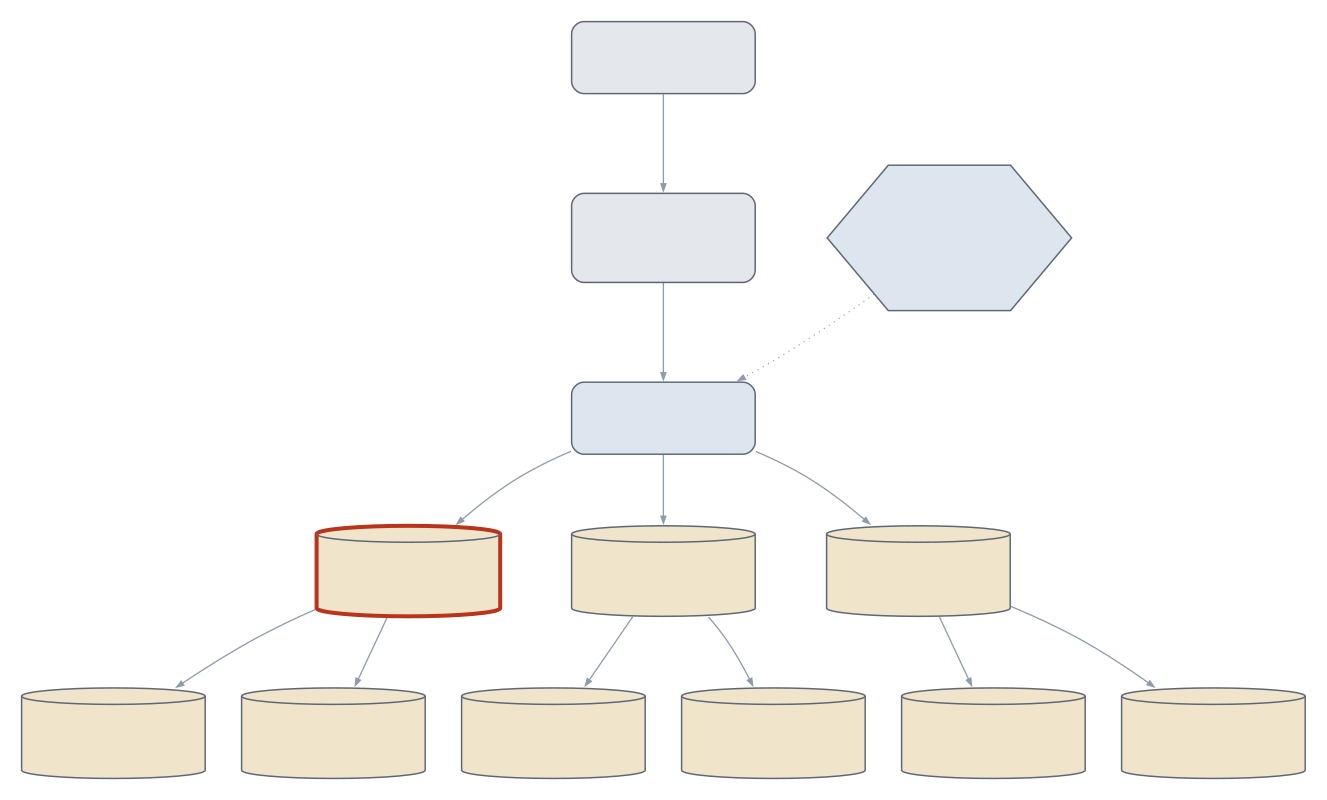
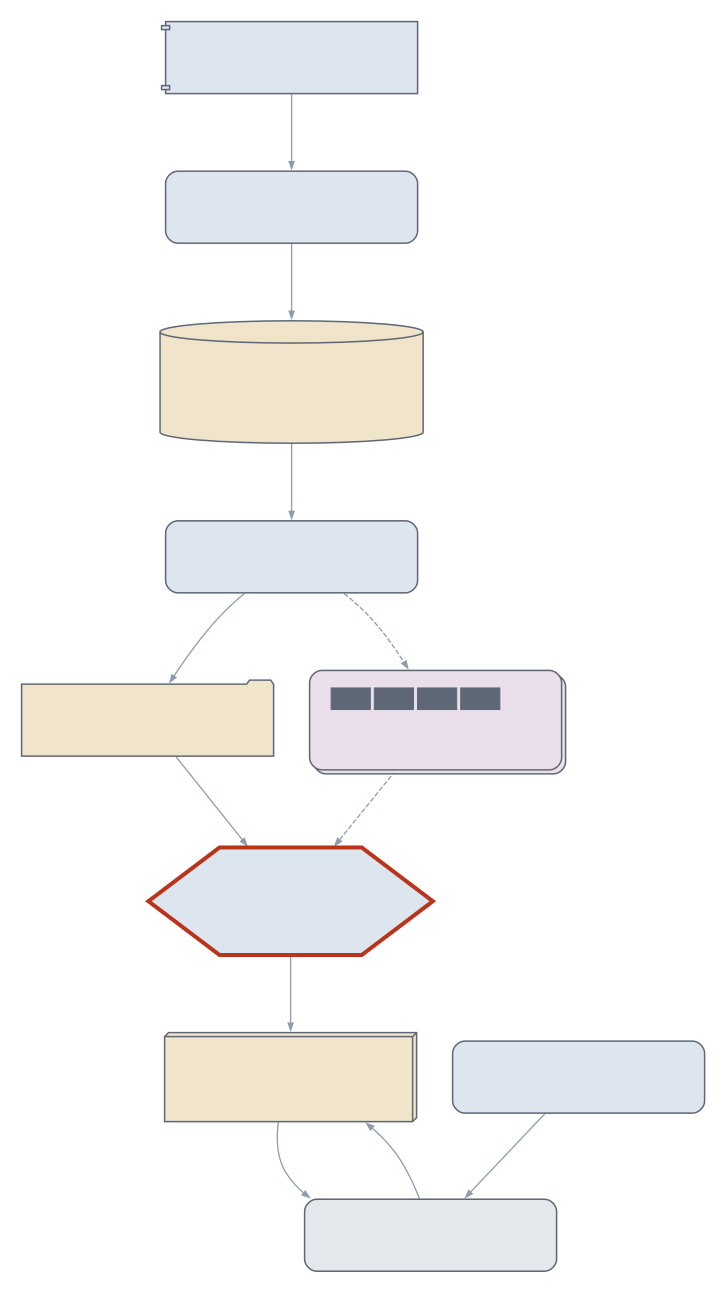
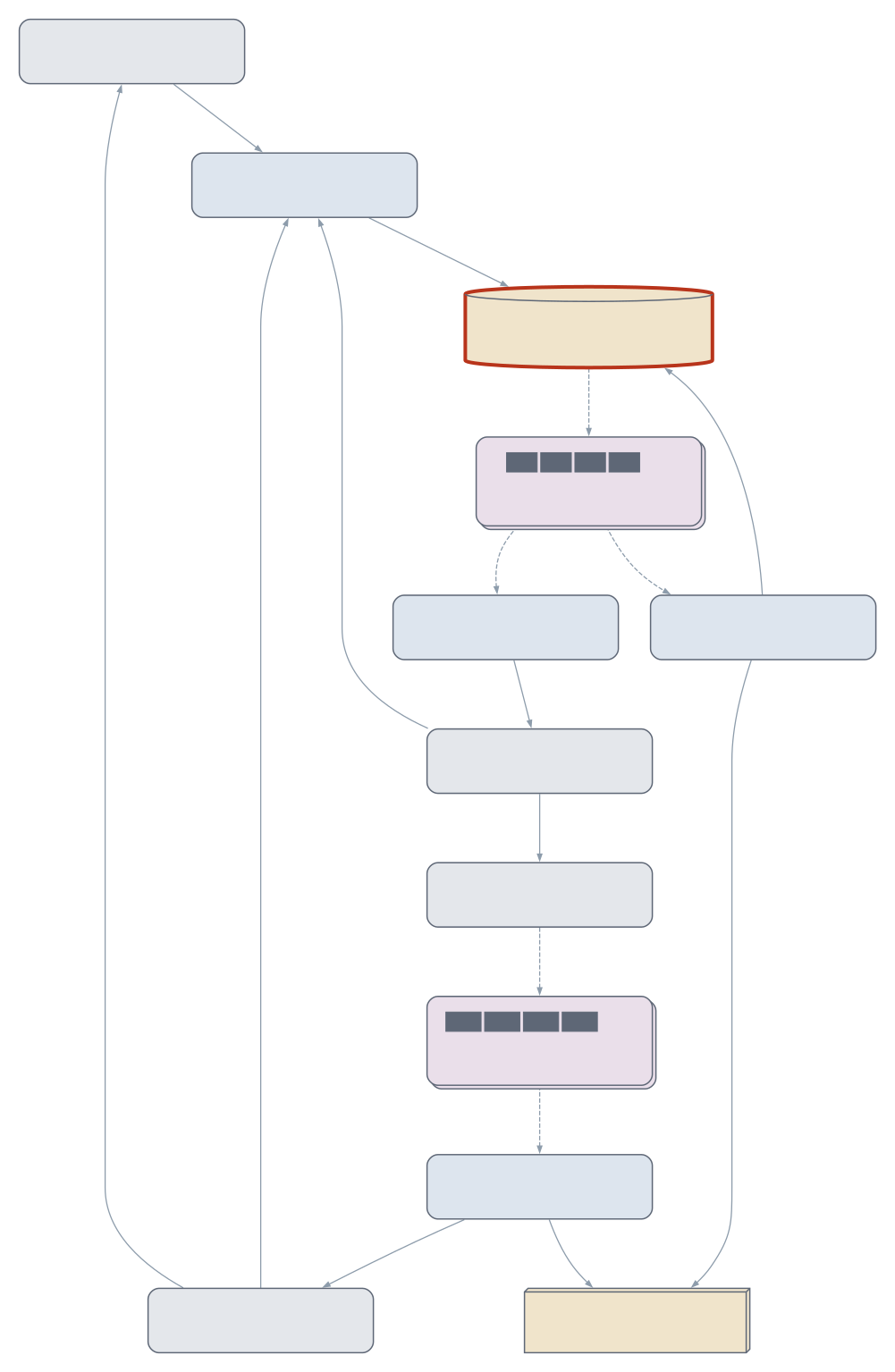
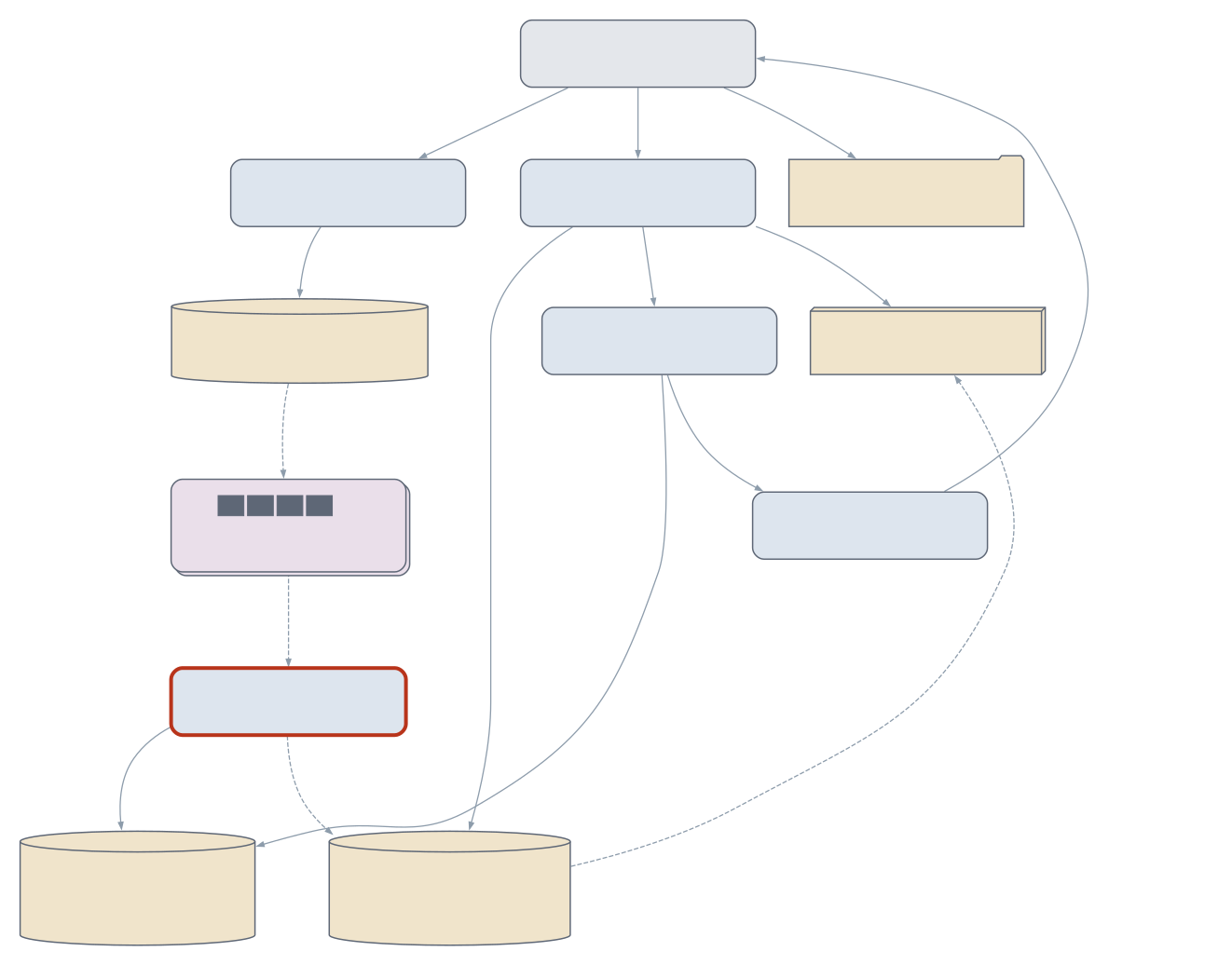
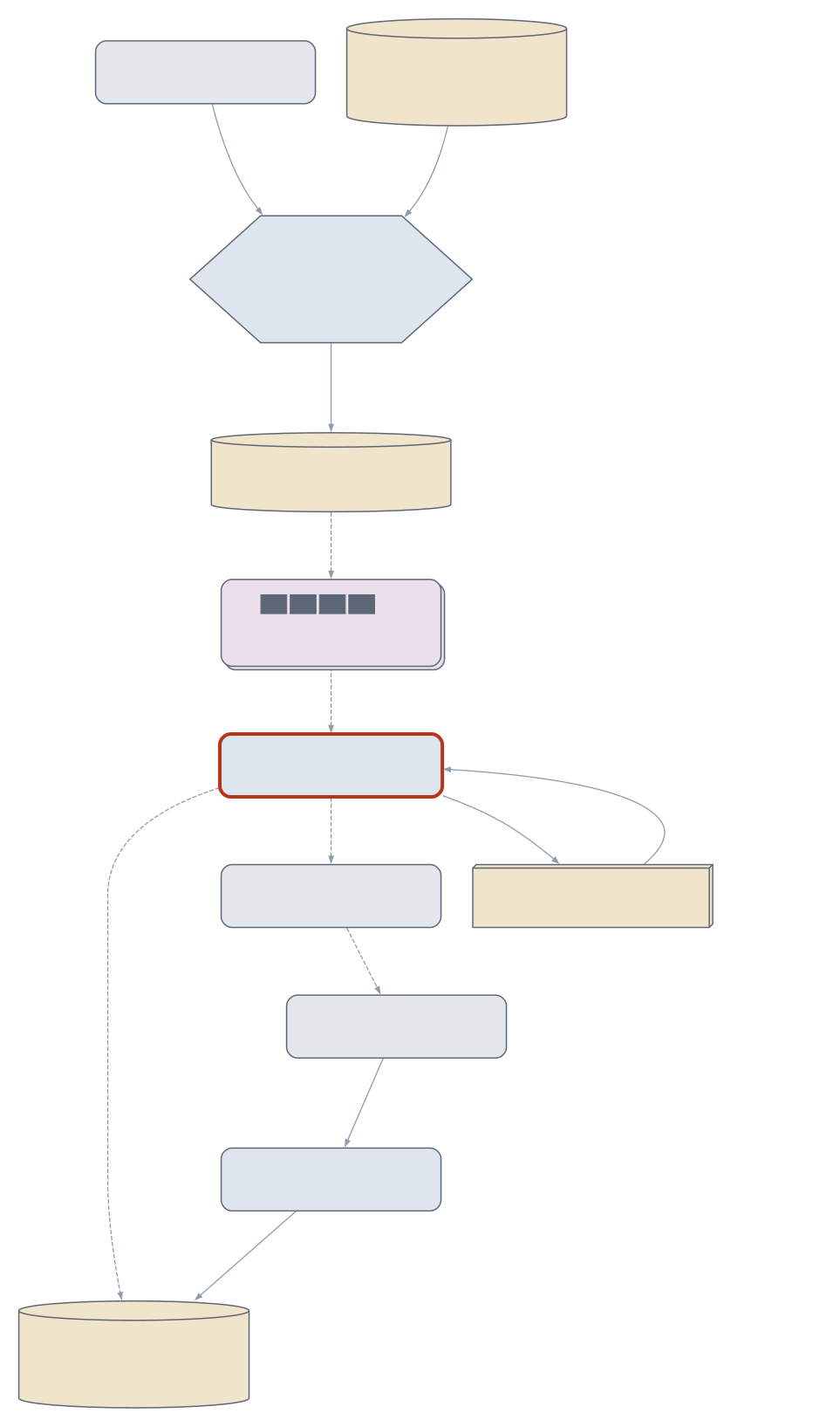
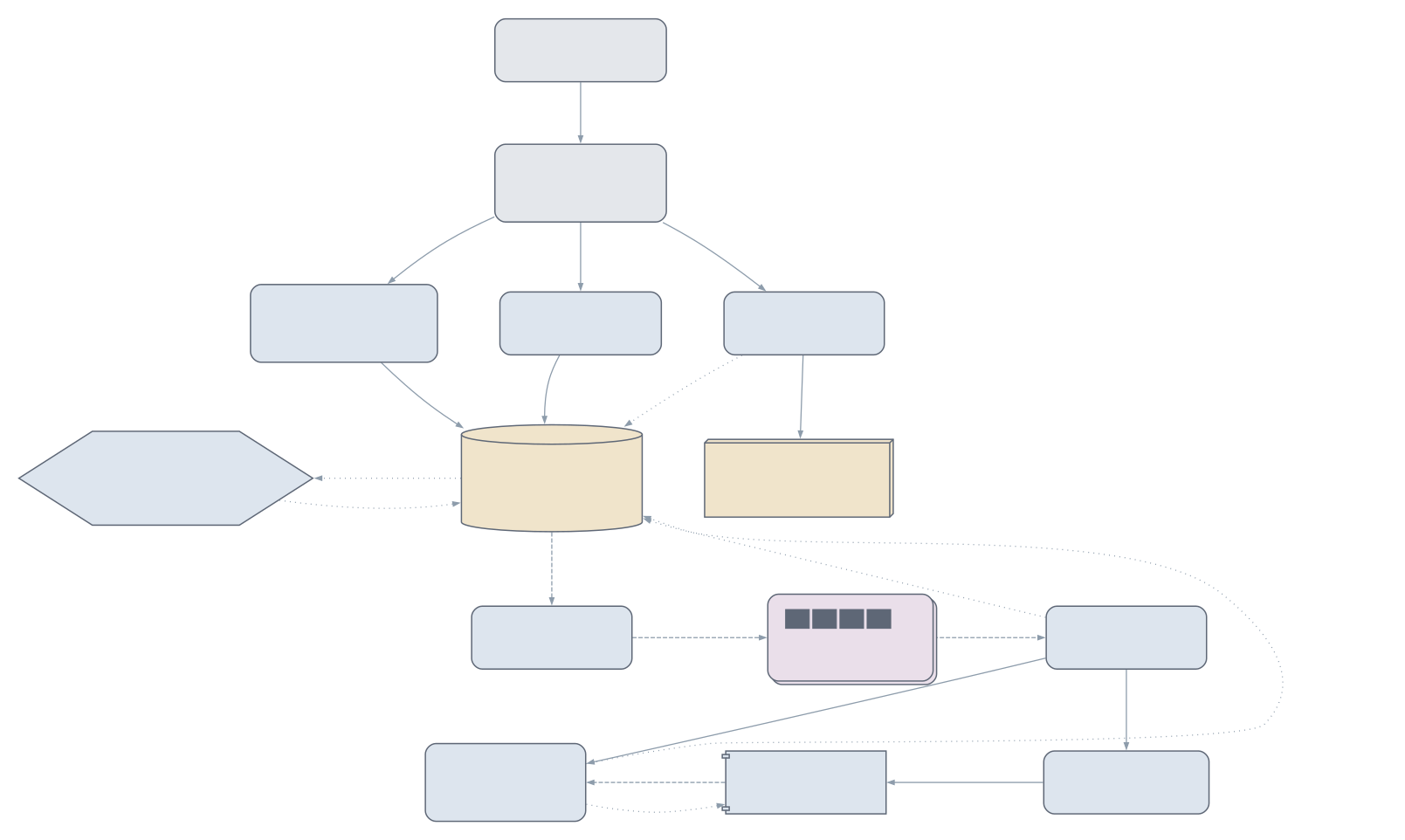
How to draw this design
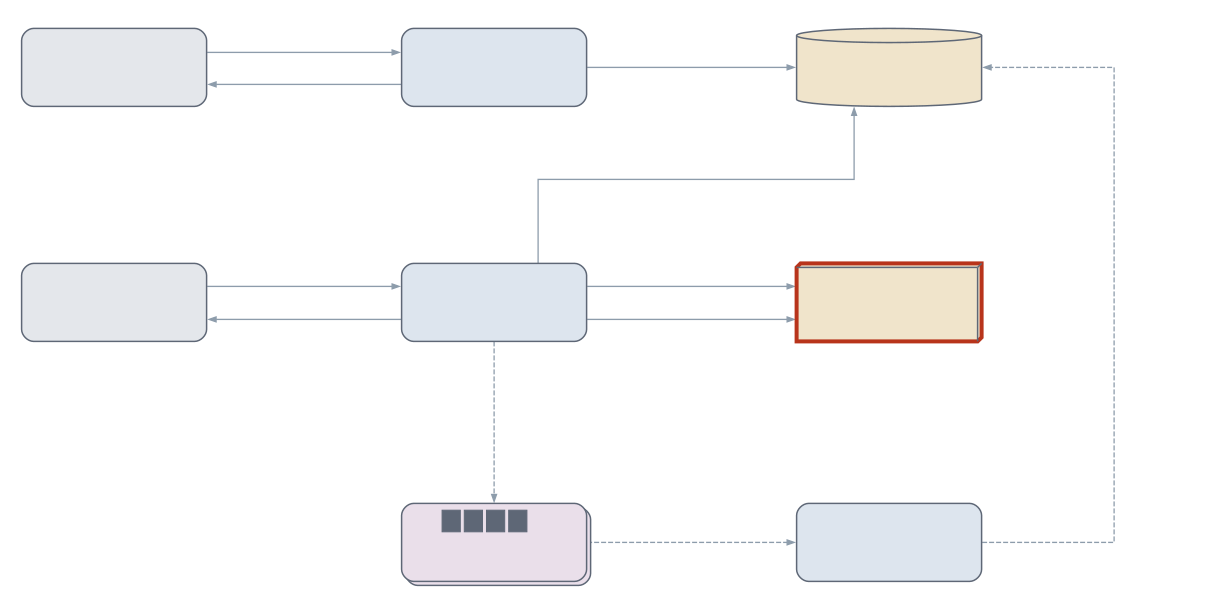
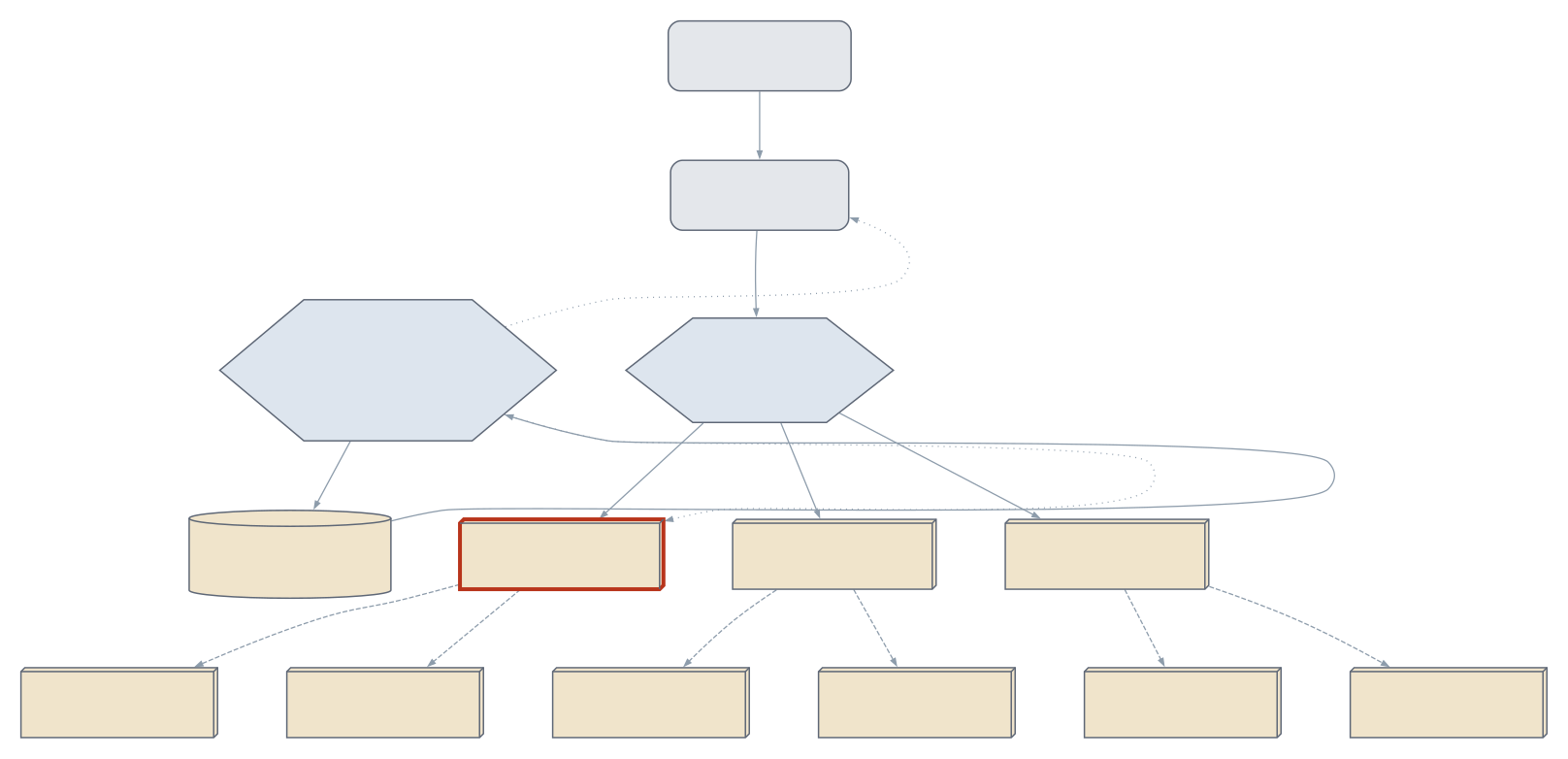
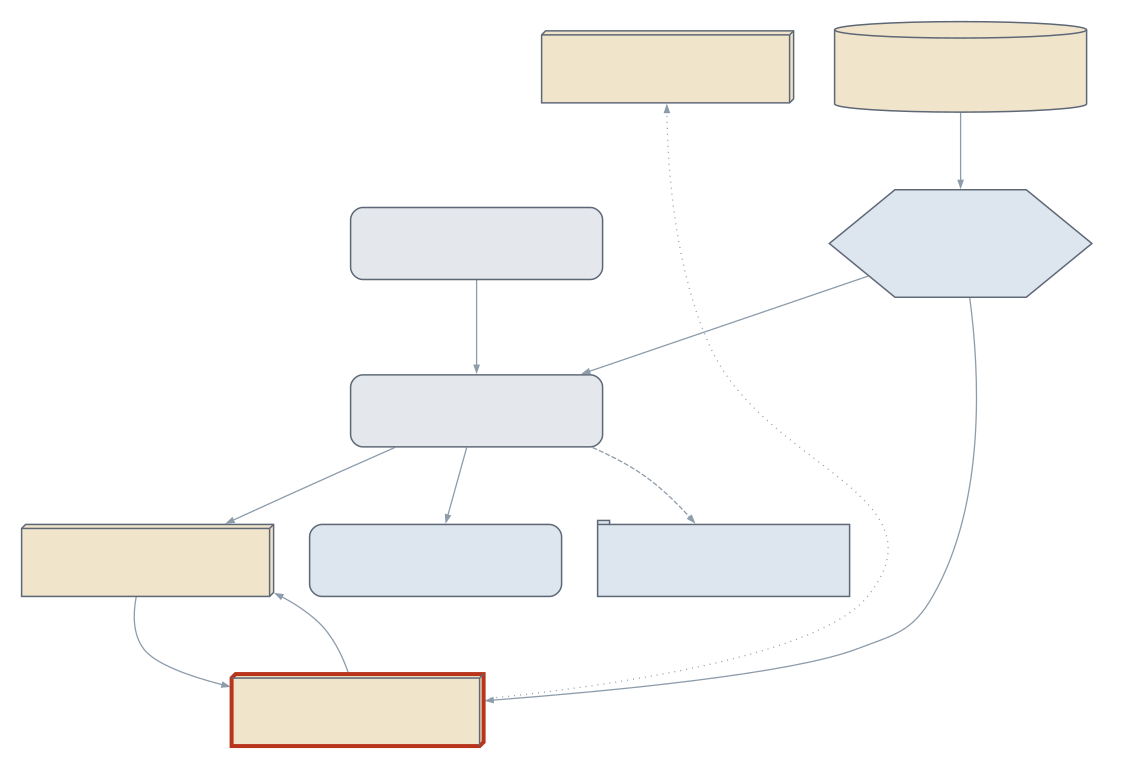
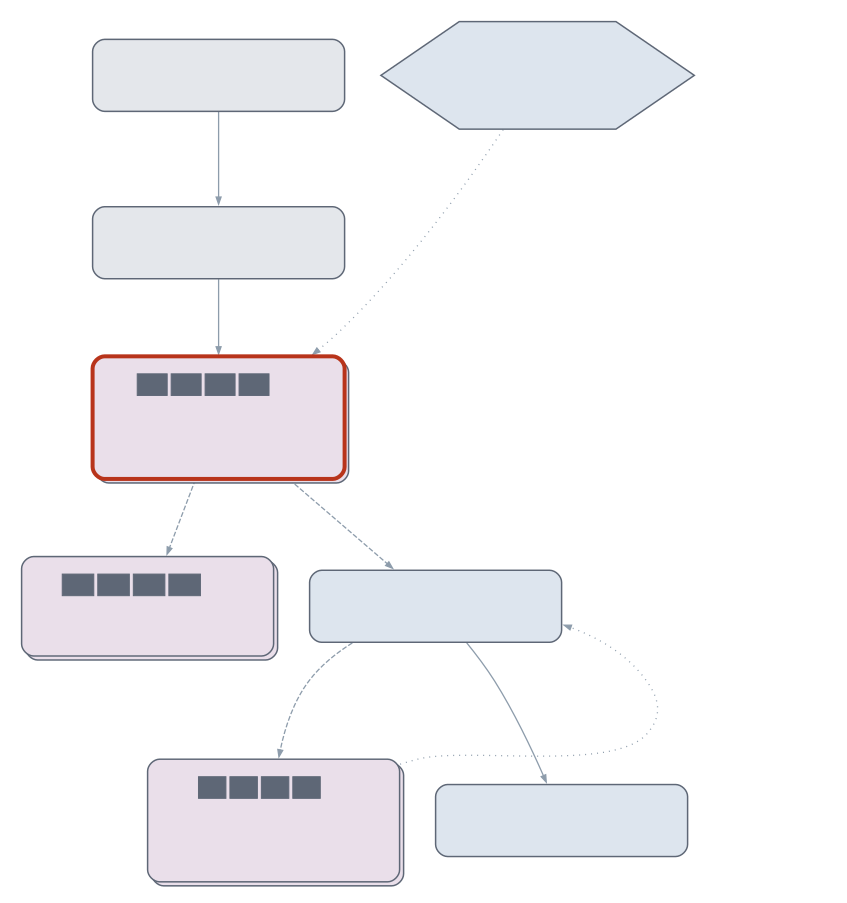
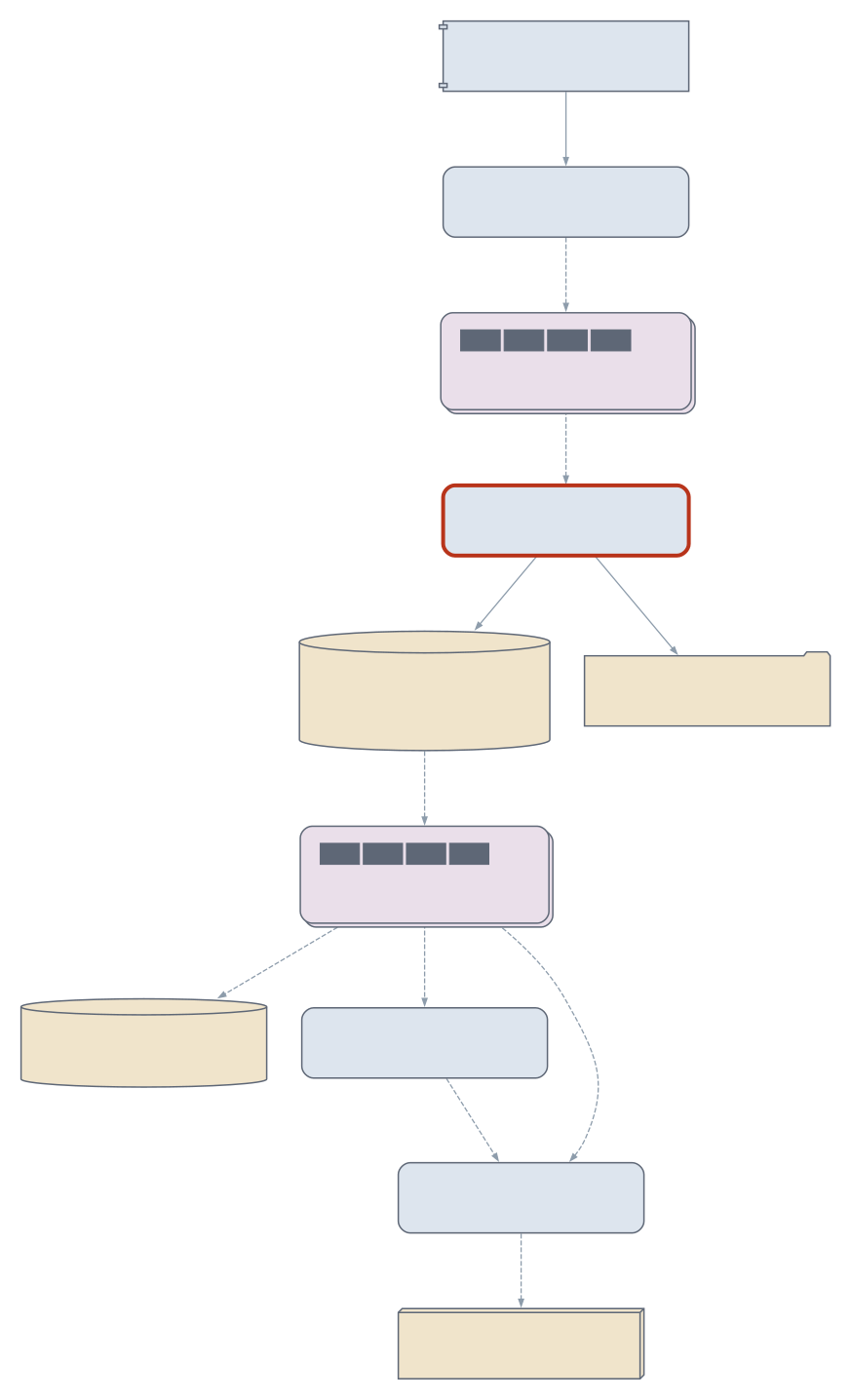
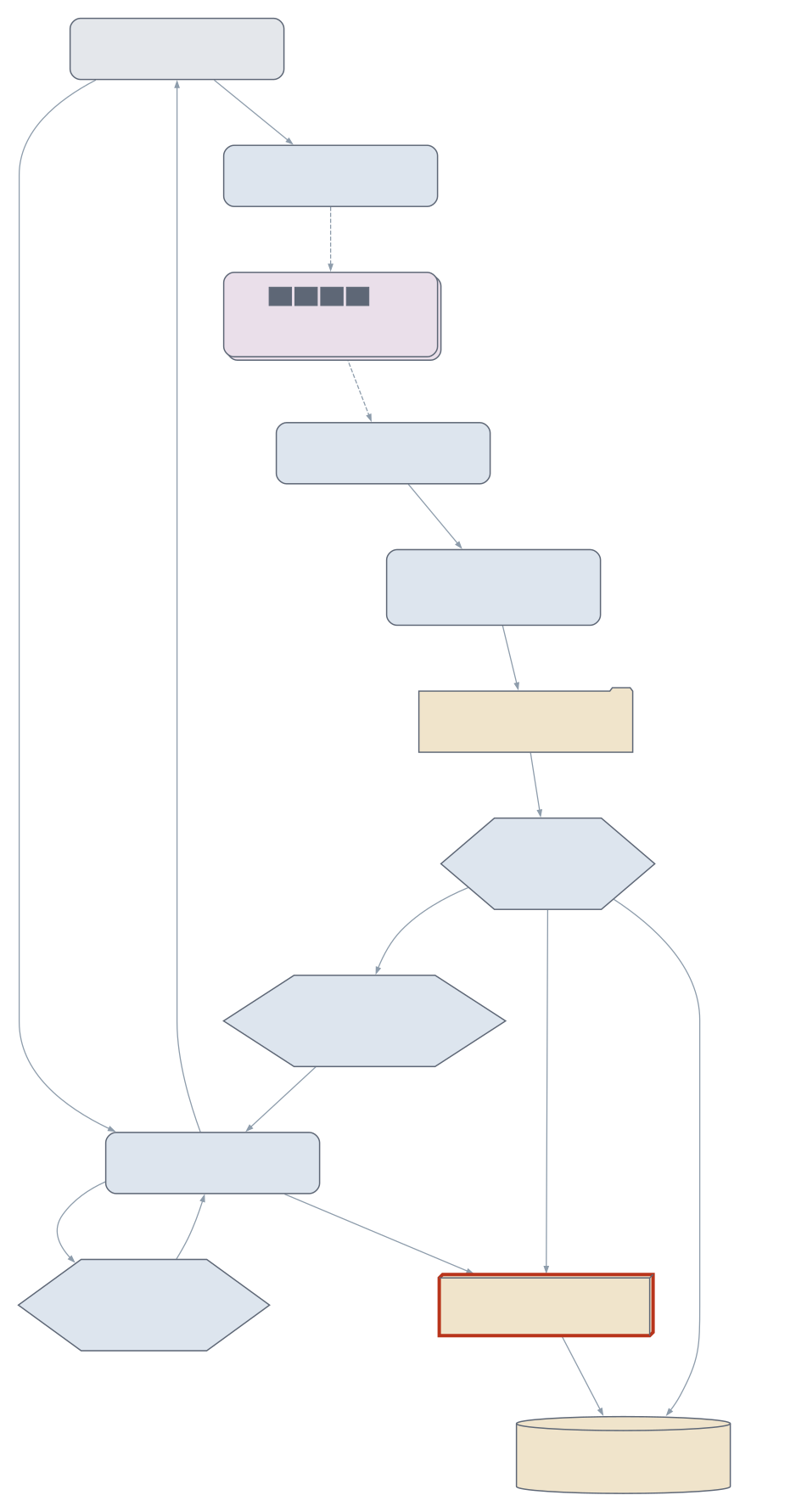
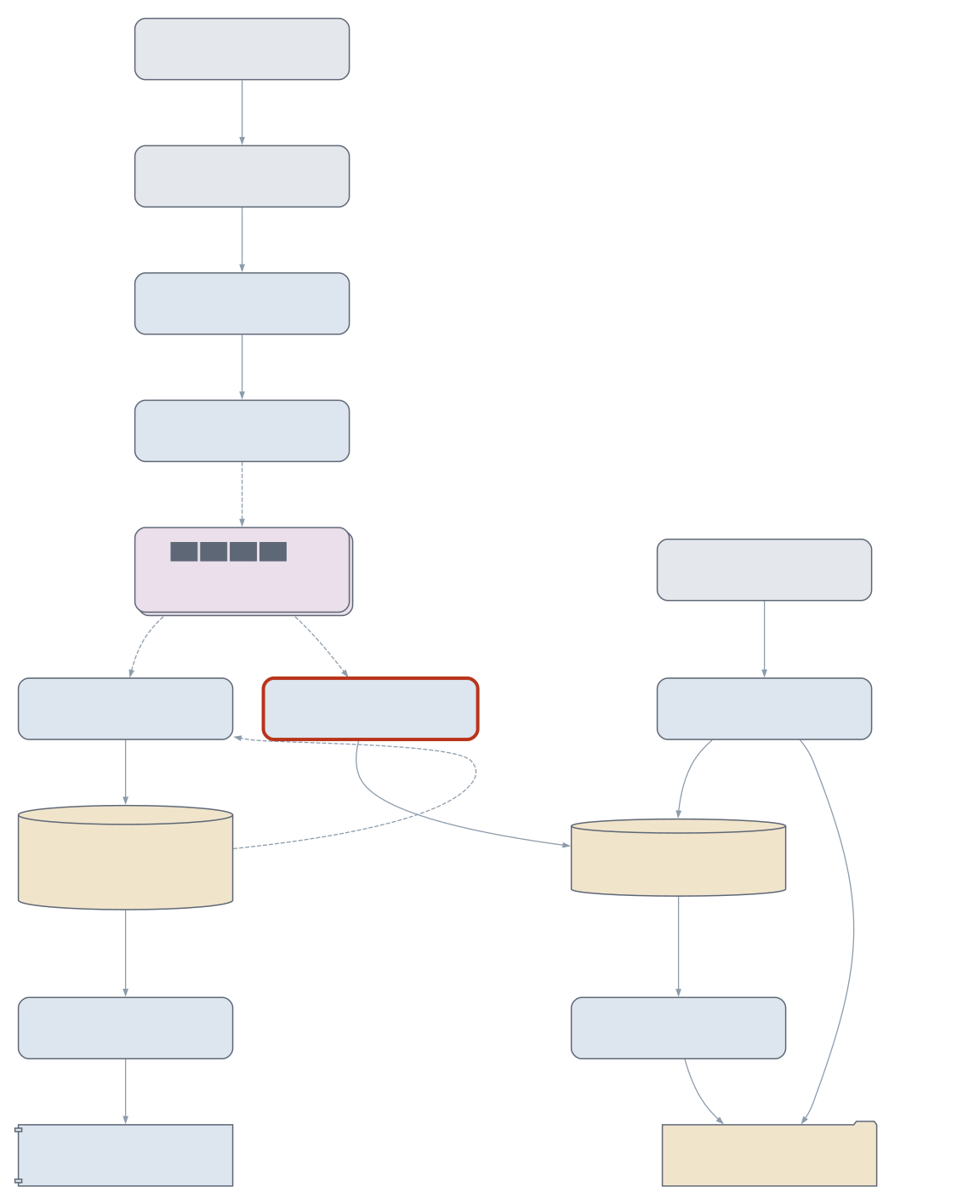
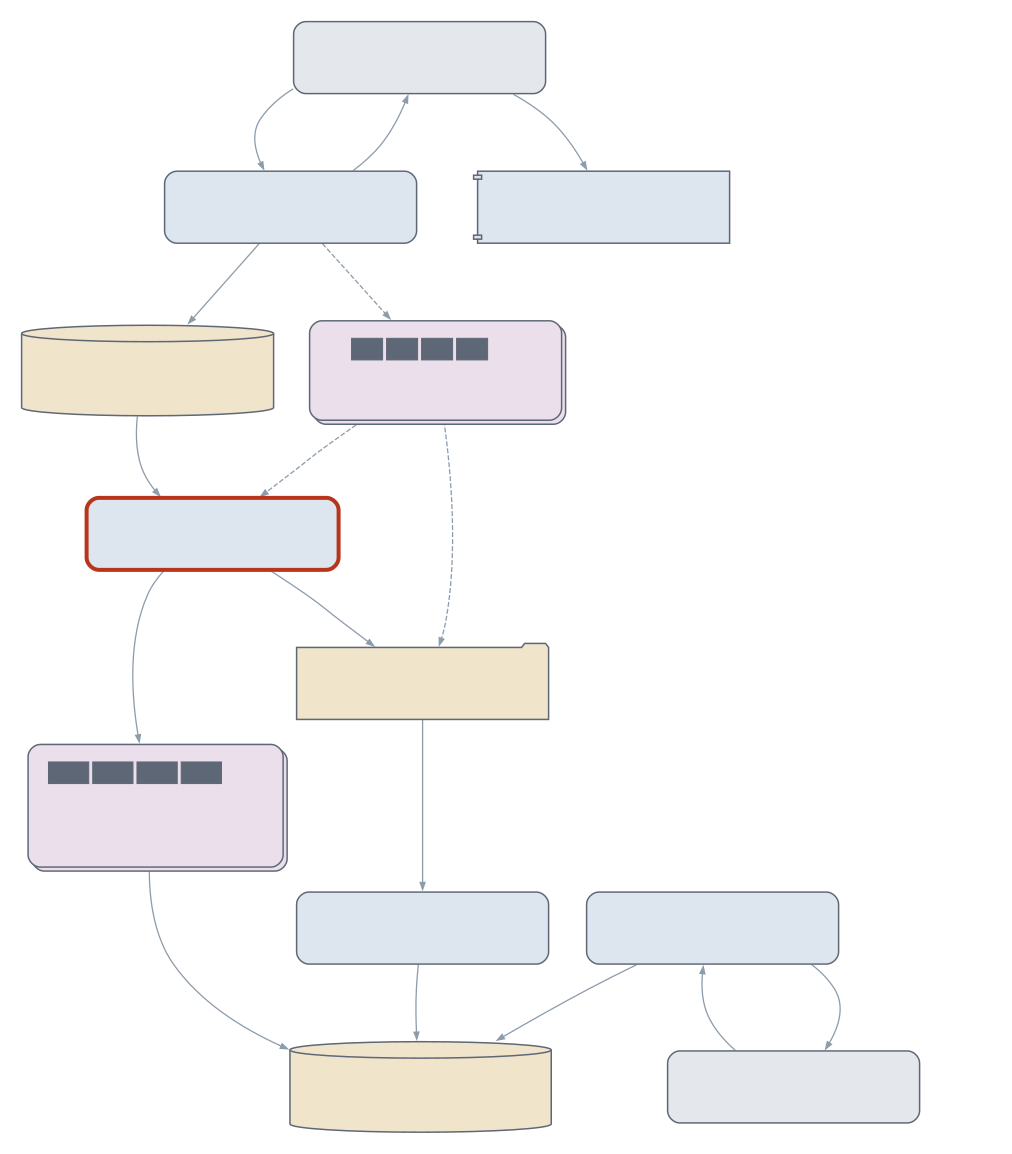
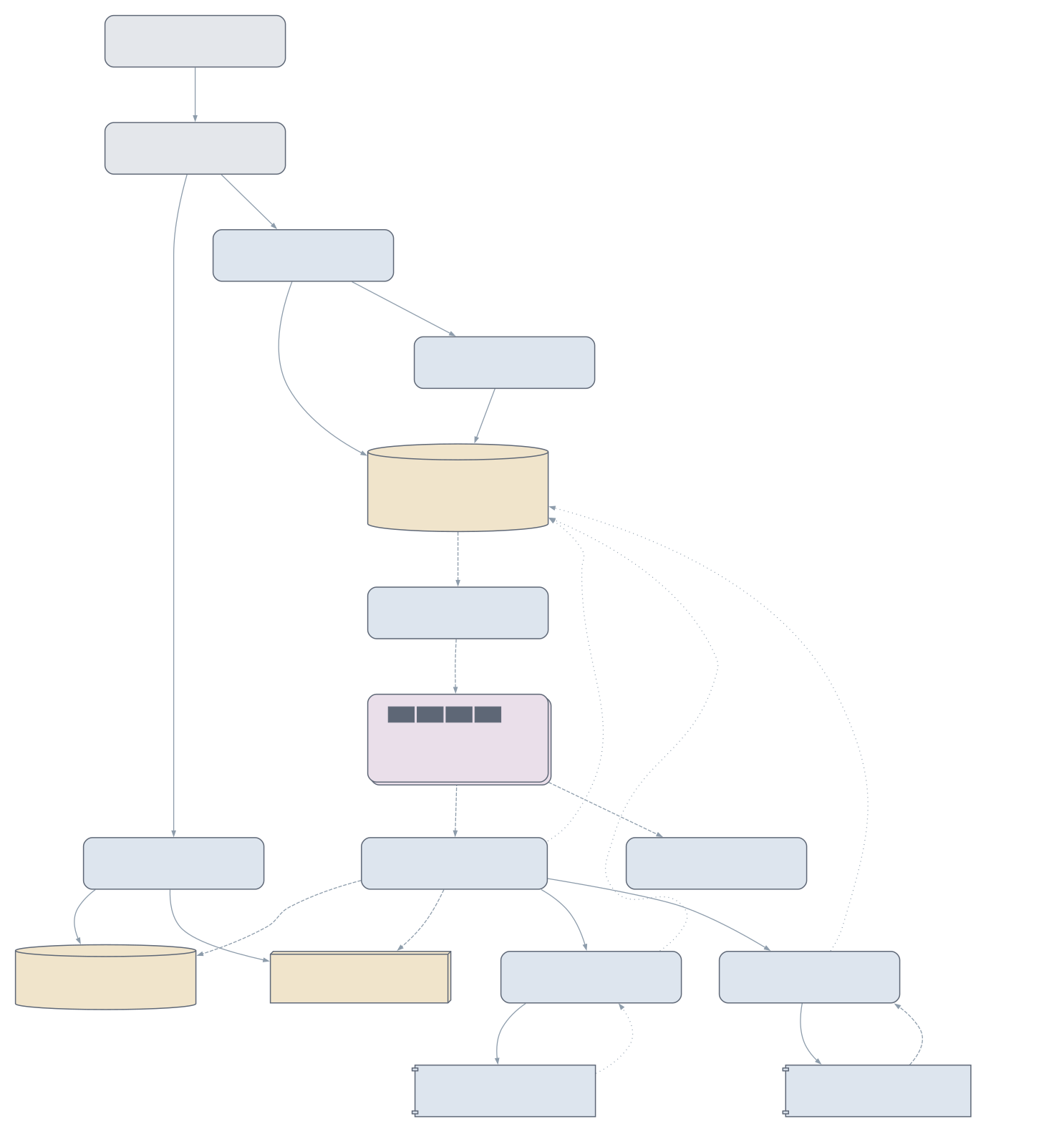
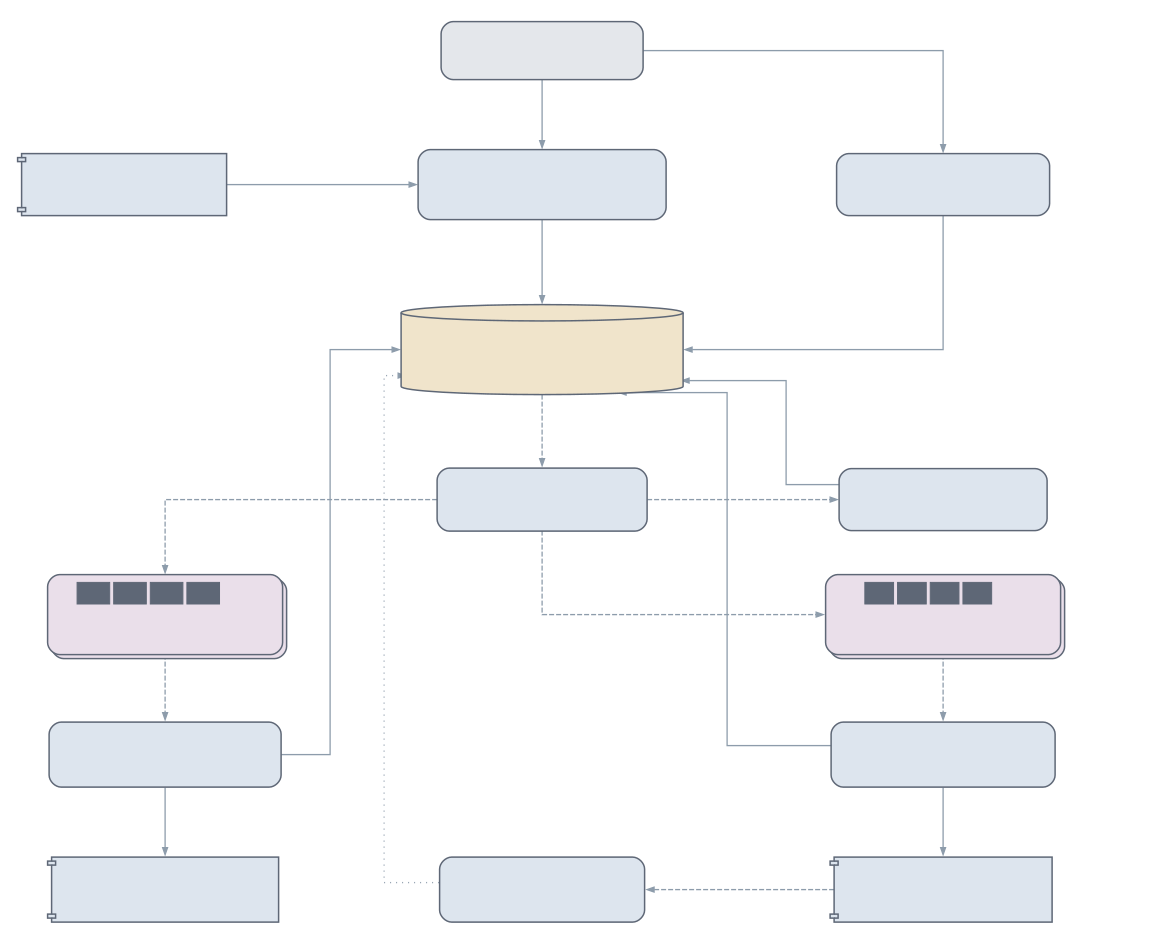
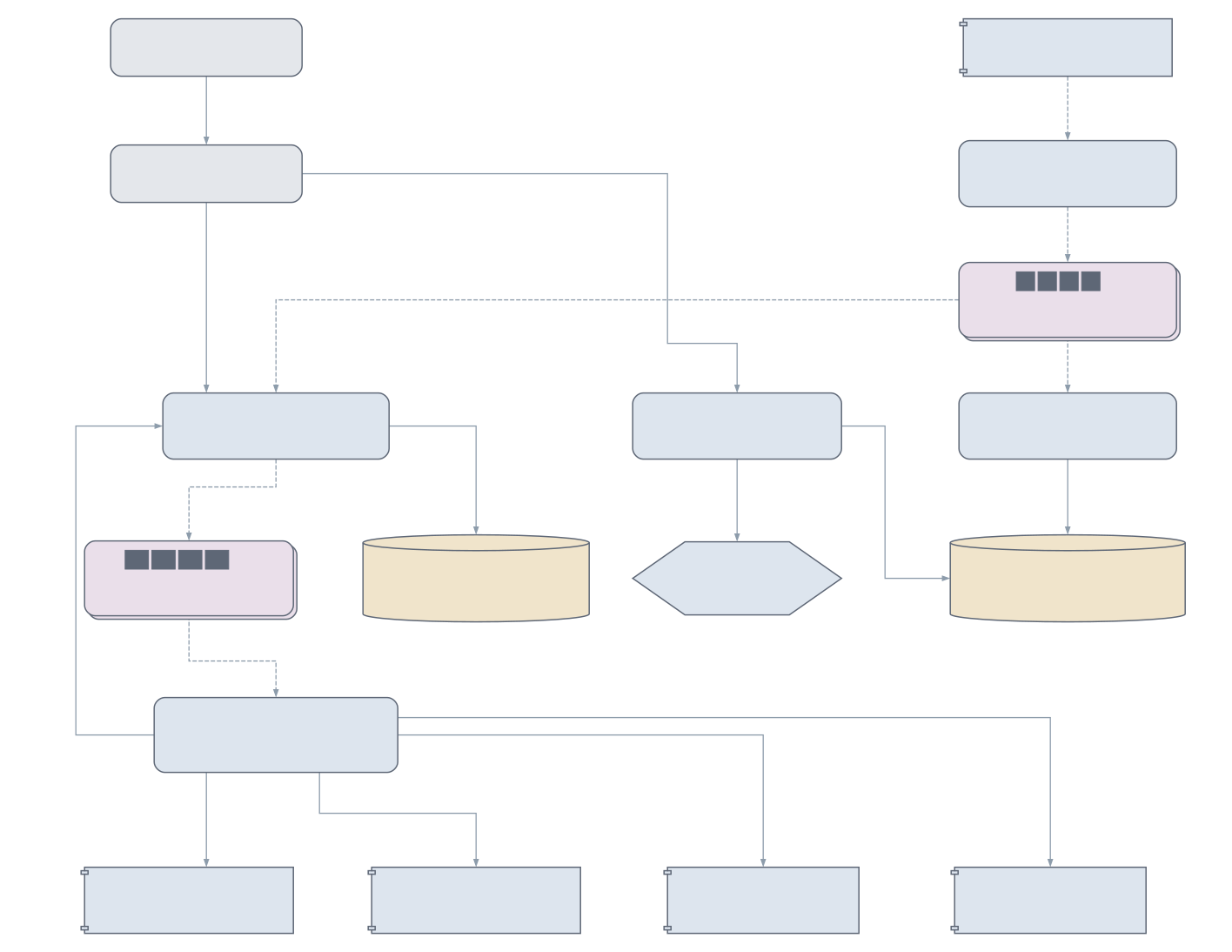
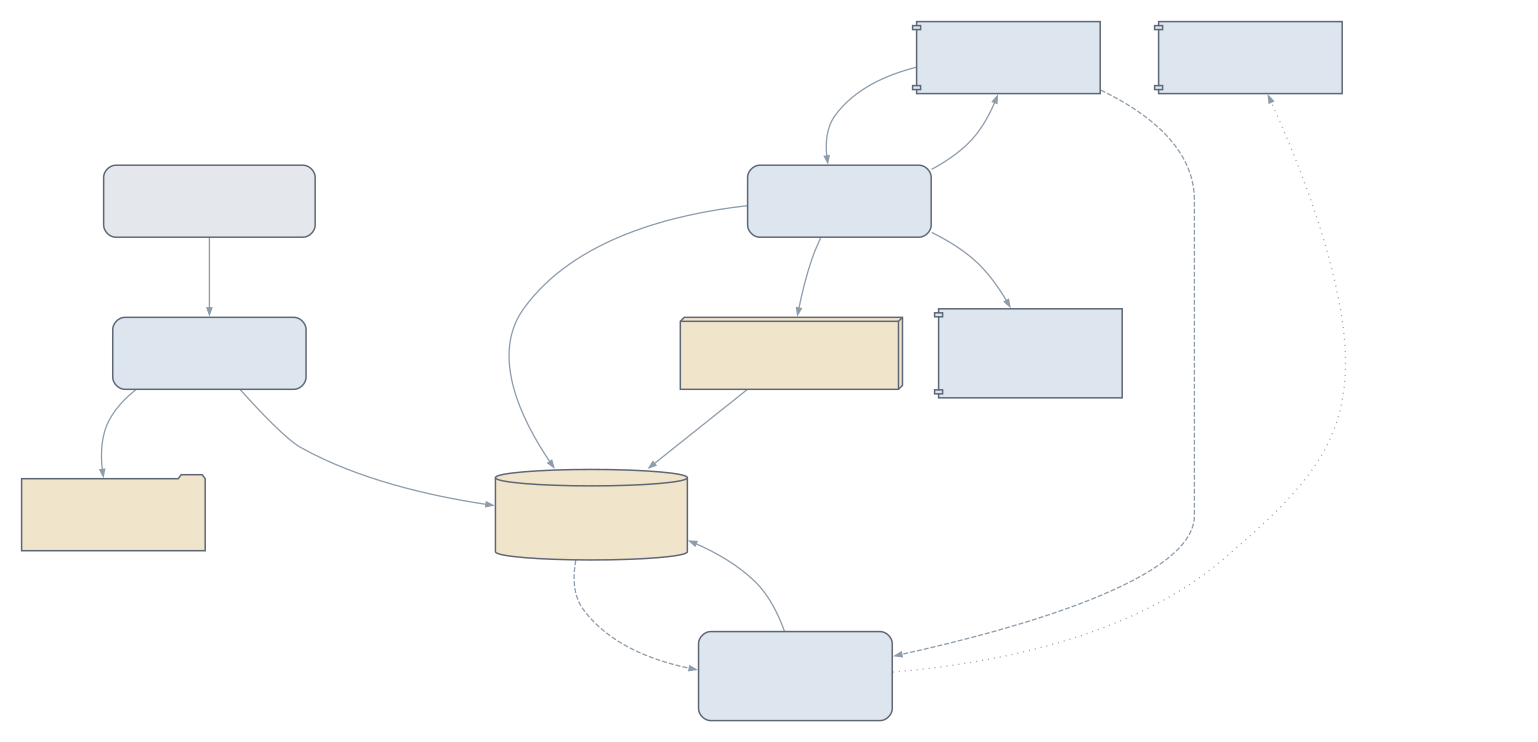
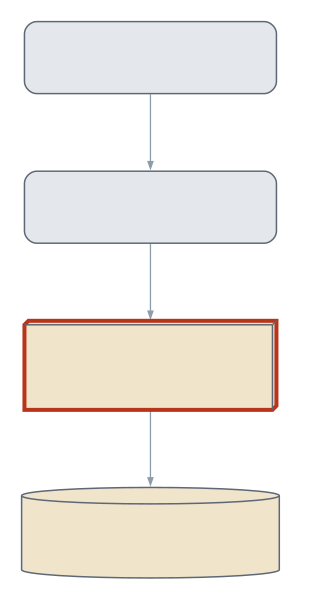
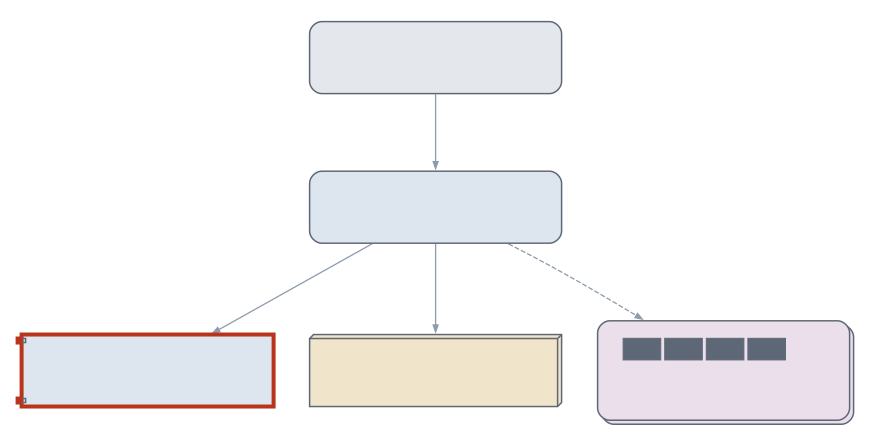
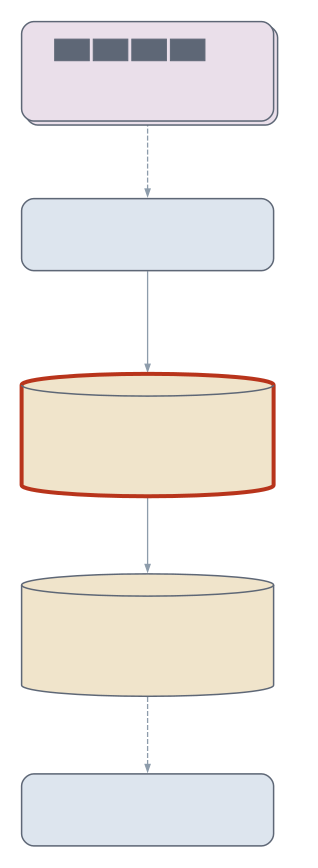
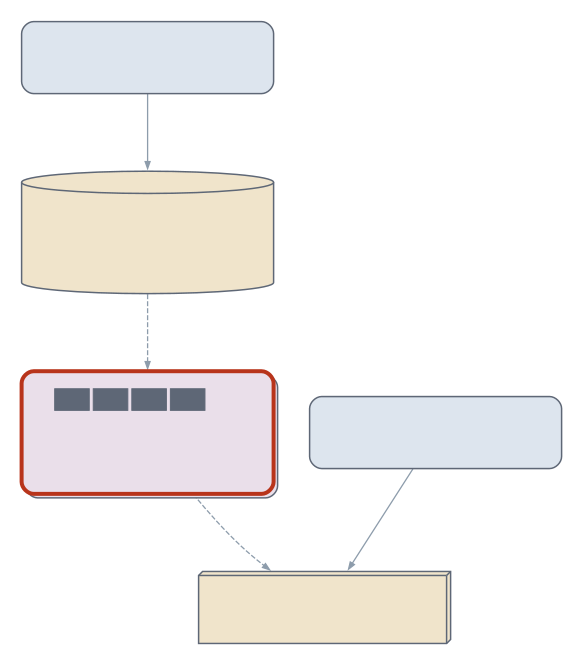
- Discover hotelsGuest, gateway, search index, and availability cache
- Hold room nightsReservation service and PostgreSQL inventory transactions
- Pay and confirmPayment orchestrator, provider, , and confirmation
- Reconcile and recoverExpiry workers, partner adapter, and hotel channel manager
Search approximate availability, hold every requested night atomically, then reconcile payment and confirm the stay.
- State ownership
- PostgreSQL owns the platform's inventory holds. The hotel confirms partner-controlled inventory.
- Scale
- Keep search traffic away from the transactions that contend on popular room nights.
- Correctness
- Hold all nights in one transaction. Confirm only if the exact hold remains eligible.
- Failure and recovery
- If payment succeeds after expiry, reconcile and compensate without reclaiming rooms sold elsewhere.
- Edge
- Compute
- State
- Messaging
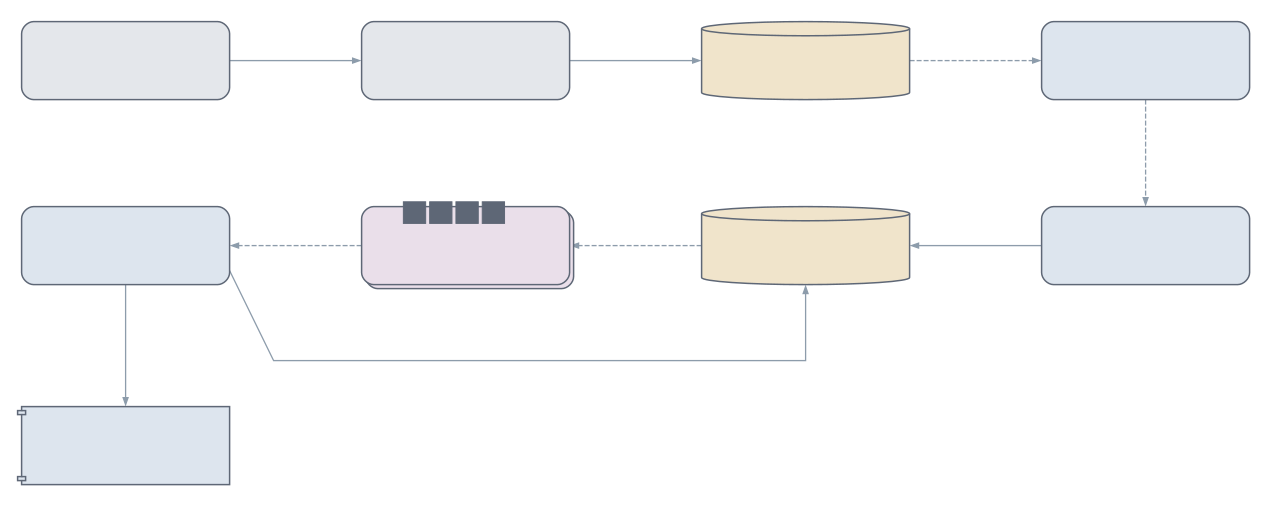
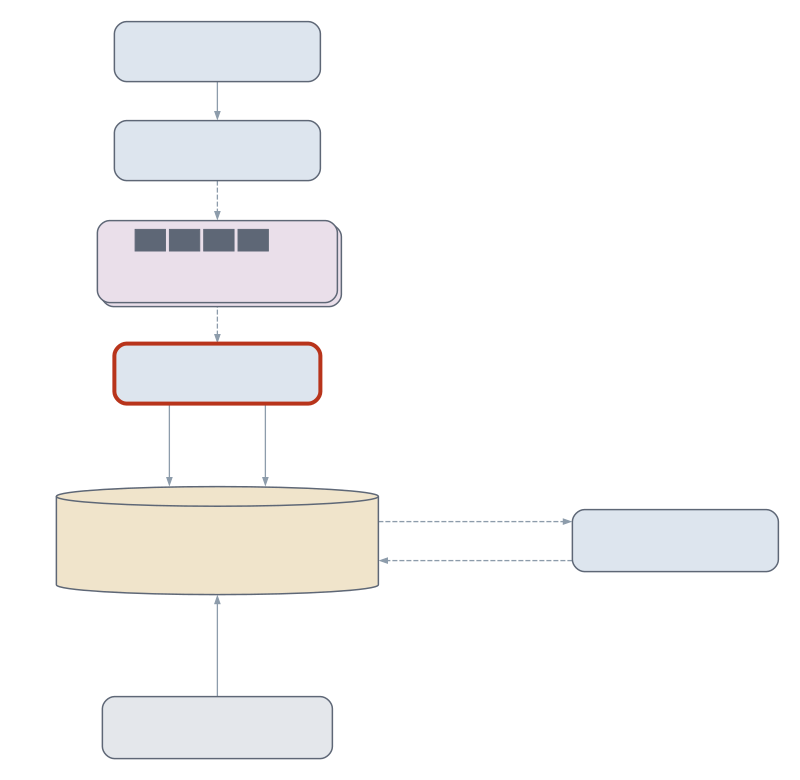
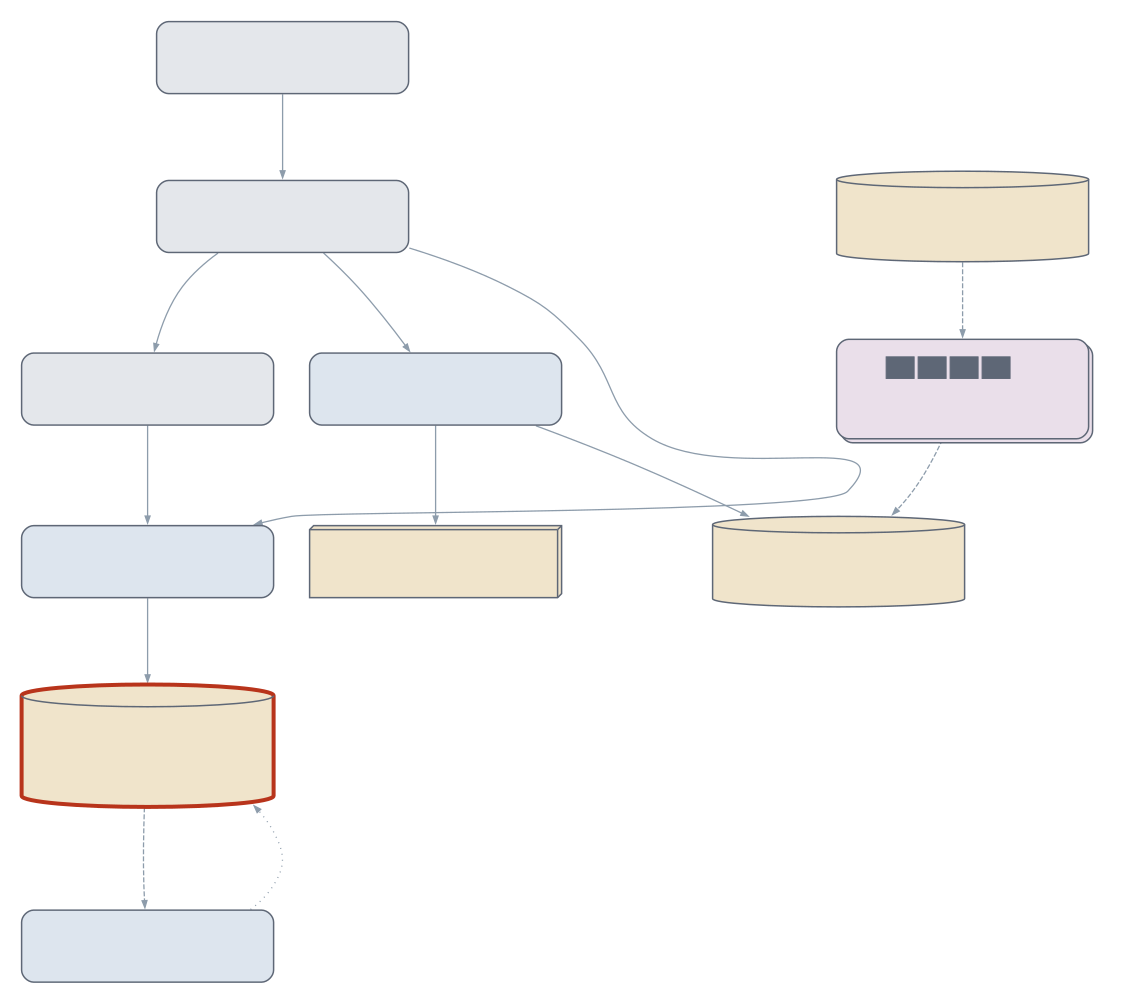
━━ Synchronous┄┄ Asynchronous···· Recovery / control▧ Fault
Each arrow is one interaction. Request, background and recovery branches are not one linear transaction.
Read the 23 flow steps
High-level design component walkthrough
Guest · Web / Mobile
Search, hold, pay and check status.
Why, tradeoff and connected operations
Separate pending and confirmed outcomes in the UI.
Tradeoff: A client timeout can hide a successful commit.
Connected operations: Search or book
Booking API Gateway
Authorize guests and apply route-specific limits.
Why, tradeoff and connected operations
Use different budgets for discovery and scarce inventory.
Tradeoff: Admit fewer checkouts when hot dates are saturated.
Connected operations: Search or book; Discover hotels; Hold / checkout / status
Hotel Search
Find hotels by geography and filter availability hints.
Why, tradeoff and connected operations
Discovery scales independently of allocation.
Tradeoff: Search results are a projection.
Connected operations: Discover hotels; Filter catalog; Read stock hint
OpenSearch Hotel Index
Index catalog, geography and searchable filters.
Why, tradeoff and connected operations
OpenSearch supports hotel-name, location and amenity filters. It serves discovery without scanning or locking room inventory. A search index suits browsing; PostgreSQL remains the booking authority.
Tradeoff: Index lag is normal.
Connected operations: Filter catalog; Refresh searchable data
Redis Availability Cache
Cache derived room-type/date availability and observation time.
Why, tradeoff and connected operations
Redis caches approximate availability by room type and date. It absorbs repeated browsing queries. Cached availability cannot authorize a booking; the transaction must verify every requested room night.
Tradeoff: Never authorize a hold from Redis.
Connected operations: Read stock hint; Refresh stock projection
Reservation Service
Validate quotes, accept scoped keys and expose booking state.
Why, tradeoff and connected operations
One place to enforce lifecycle and response semantics.
Tradeoff: An unresolved external result is returned as pending.
Connected operations: Hold / checkout / status; Allocate every night; Persist checkout intent
Inventory Transactions
Allocate, confirm or release a full stay on its hotel .
Why, tradeoff and connected operations
Short row locks protect the exact inventory being sold.
Tradeoff: A hot property may need a tighter admission budget.
Connected operations: Allocate every night; Lock dates + commit hold
PostgreSQL · Booking Authority
Own room nights, holds, payment and partner operation identities, and the .
Why, tradeoff and connected operations
PostgreSQL atomically holds all room nights for a stay and stores checkout intent. Constraints and conditional updates stop conflicting reservations. fits multi-row booking correctness; search and caches remain derived views.
Tradeoff: Single-writer ownership limits where reservations can commit.
Connected operations: Lock dates + commit hold; Persist checkout intent; Read committed ; Confirm or compensate; Record stock / confirmation; Expire / reclaim safely
Outbox Relay
Publish committed work and events to Kafka.
Why, tradeoff and connected operations
Recover the gap between database commit and broker publication.
Tradeoff: Publication can repeat if a relay crashes.
Connected operations: Read committed ; Publish work / events
Kafka · Booking Work and Events
Buffer checkout work and committed lifecycle events.
Why, tradeoff and connected operations
Rate-limit provider-specific workers and isolate notifications.
Tradeoff: Consumer delivery can repeat.
Connected operations: Publish work / events; Dispatch by provider; Send confirmation
Expiry and Recovery Workers
Claim work, recover pending provider operations, expire holds and refresh projections.
Why, tradeoff and connected operations
Use durable database state to resume work after process or queue failures.
Tradeoff: Claims and generations fence local writes only.
Connected operations: Dispatch by provider; Charge / reconcile; Reserve or reconcile; Expire / reclaim safely; Refresh stock projection; Refresh searchable data
Payment Orchestrator
Charge, reconcile and compensate using stable operation keys.
Why, tradeoff and connected operations
Persist identity before invoking external effects.
Tradeoff: An uncertain result may need delayed or manual recovery.
Connected operations: Charge / reconcile; Capture / query / refund; Signed result / webhook; Confirm or compensate
External Payment Provider
Own capture, authorization, void and refund outcomes.
Why, tradeoff and connected operations
Resolve uncertain outcomes using provider evidence.
Tradeoff: and lookup capabilities depend on the provider contract.
Connected operations: Capture / query / refund; Signed result / webhook
Hotel Partner Adapter
Sync inventory, confirm shared stock and reconcile ambiguous partner calls.
Why, tradeoff and connected operations
Normalize revision, availability and booking semantics per contract.
Tradeoff: A live partner outage can block checkout.
Connected operations: Reserve or reconcile; Hold / book / look up; Versioned stock updates; Record stock / confirmation
Hotel PMS / Channel Manager
Own inventory sold across channels where no exclusive allotment exists.
Why, tradeoff and connected operations
Only the partner can confirm shared stock.
Tradeoff: A feed update is not booking confirmation.
Connected operations: Hold / book / look up; Versioned stock updates
Confirmation Delivery
Notify guests from committed booking events.
Why, tradeoff and connected operations
Keep message delivery out of the booking transaction.
Tradeoff: Late email does not invalidate a reservation.
Connected operations: Send confirmation
Deep dives — decisions, failures and recovery
Open a deep dive to follow the steps, try an example and see how recovery works.
Additional technical detail
Follow a three-night stay
A guest searches for a deluxe room from December 10 to 13. Check-out on the 13th consumes no inventory. Dates are local to the property, while hold deadlines are stored as absolute timestamps. The search result may say a room is available even after another guest starts checkout. The hold request is where we check availability and quote validity together.
| Night | Sellable | Held | Confirmed | Free before request |
|---|---|---|---|---|
| December 10 | 12 | 1 | 10 | 1 |
| December 11 | 12 | 0 | 11 | 1 |
| December 12 | 12 | 2 | 9 | 1 |
The winning transaction adds one hold to each row. When payment is verified and the hold is still eligible, one transaction subtracts one held unit and adds one confirmed unit on each night. Free inventory stays at zero. The front desk can assign a physical room later. If the product guarantees a specific room or an uninterrupted stay in that exact room, room-type totals alone cannot enforce it.
PostgreSQL schema and constraints
| Relation and key | Fields | What it protects |
|---|---|---|
hotel, room_type | Hotel ID, timezone, authority mode and owner . Room type key is hotel ID plus room type ID. Store occupancy and booking rules. | One inventory authority per property or explicit allotment. Search projections copy descriptive fields. |
daily_inventory PK (hotel_id, room_type_id, stay_date) | Sellable quantity, held quantity, confirmed quantity, row version and sales-closed flag. | Check that all counts are nonnegative and held + confirmed ≤ sellable. To cut supply below commitments, close sales and resolve the shortfall explicitly. |
quote PK (quote_id) | Property, room type, dates, occupancy, amount in minor units, currency, policy version and valid-until time. | Bind checkout to exact terms. Persist the accepted amount and cancellation terms with the reservation. |
reservation PK (reservation_id) | Customer, hotel, authority mode, state, version, quote , hold deadline, final payment deadline and partner confirmation reference. | One durable state machine. Index eligible hold states by deadline for bounded expiration scans. |
reservation_night PK (reservation_id, stay_date) | Hotel, room type, date and quantity. Reference the owned daily row for local allotment bookings. | Record the exact allocation needed for confirmation, expiry and cancellation. Materialize one record per night. |
request_idempotency PK (customer_id, operation, client_key) | Canonical request hash, reservation ID and durable outcome or in-progress marker. | Repeat requests return the same logical result. Reject key reuse with a different payload. Keep the identity through the supported retry horizon. |
payment_operation and partner_operation | Unique logical operation key, reservation ID, operation type, amount where applicable, external reference, status, attempt generation and next check time. | Persist identity before calling a provider. Charge, void, refund, partner reserve and partner cancel have separate identities and retry lifecycles. |
partner_availability PK (partner, hotel, room_type, stay_date) | Absolute availability, source revision and observation time. Keep feed cursor and generation per partner scope. | Search projection for partner-owned stock. A delayed sync cannot authorize a booking or overwrite owned allocations. |
inbox and outbox | Inbox unique (source, event_id). unique event ID, aggregate version, payload and delivery state. | Commit accepted incoming evidence and outgoing workflow work with local state. Relays and consumers can retry independently. |
The allocation transaction
Keep one stay on one hotel . Acquire the record first, then the existing reservation row if the operation has one, and then daily inventory rows in ascending date order. Use the same lock order for confirm, cancel and expiry. Retry a deadlock or serialization failure using the same client key.
BEGIN
  claim (customer_id, "create_hold", client_key)
  if claim already exists:
    verify the request hash
    return the recorded result

  lock inventory rows for hotel, room type and [check_in, check_out)
    in ascending stay_date order, using SELECT ... FOR UPDATE
  verify every requested date exists and is open for sale
  verify sellable - held - confirmed >= quantity on every row
  validate occupancy and the server-side quote

  insert reservation in HELD and insert its reservation_night rows
  increment held by quantity on every night
  record reservation ID against the client key and insert the outbox event
COMMIT
Rollback the entire allocation if any night cannot be held. A check constraint is a backstop. The decisive operation is the locked validation and mutation of the complete date set. Missing dates mean no inventory. Do not derive a booking decision from an unlocked counter read or a Redis lock.
Reservation lifecycle and payment evidence
| From → to | Guard and durable change | What the guest sees |
|---|---|---|
| Request → HELD | All nights allocated in the same transaction, with a quote and short deadline. | Hold ID, amount and expiration time. |
| HELD → PAYMENT_PENDING | Lock reservation, check its deadline, record a stable payment operation and enqueue work. Allow at most one bounded checkout extension. | Payment processing. |
| PAYMENT_PENDING → RECONCILIATION_REQUIRED | External result is uncertain. Retain operation identity and deadline. Reconcile even if inventory later expires. | Payment pending. A status refresh reuses the same booking. |
| PAYMENT_PENDING or RECONCILIATION_REQUIRED → CONFIRMED | Require verified capture for the correct amount and currency, plus an eligible hold and current owner. Convert all held nights to confirmed and commit the confirmation event atomically. | Confirmation number after the booking commit. |
| Active hold → FAILED or EXPIRED | On definite payment failure or a passed deadline, release all held nights exactly once. Unknown payment operations remain separately reconcilable. | Booking failed or hold expired. Show payment status separately. |
| Expired hold with a late capture → refund pending | Reservation stays expired. Record the verified capture and create one durable refund operation. If merely authorized, void instead. Reconcile ambiguous compensation and escalate aged cases. | Booking expired. Refund pending, then refunded once verified. |
| CONFIRMED → CANCELLED | Validate policy, lock the reservation and its nights, decrement confirmed inventory once and create any refund intent in the same transaction. | Cancellation confirmed, with refund tracked separately. |
| Partner request → PENDING_CONFIRMATION | For partner-owned stock, persist a partner operation before submitting. Require partner confirmation and verified payment before showing a completed booking. | Awaiting hotel confirmation or payment. Poll the same booking ID. |
Expiry boundary. Both confirmation and expiry lock the reservation before changing inventory, then evaluate the current database clock and stored deadline while holding the relevant locks. A payment callback that arrives after expiry cannot reclaim a room. If cleanup falls behind, the counters conservatively withhold those units until the release transaction commits. Alert on the oldest overdue hold and prioritize cleanup for hot dates.
Payment boundary. The reference flow captures against a live hold and reconciles the gap before local confirmation. An authorization-first flow can reduce refunds, but capture can still fail after authorization. Keep that step visible in the state machine and reserve enough time to finish it. Never hold row locks while making external requests.
Two partner contracts
| Contract | Authority and confirmation rule | Sync and recovery |
|---|---|---|
| Exclusive platform allotment | The hotel guarantees a separate quota. Platform PostgreSQL owns allocation within that quota. The hotel imports confirmed reservations through the feed. | Apply versioned quota changes under the same inventory locks. Close sales and escalate cuts below current commitments. Never merge a stale partner into local held or confirmed counters. |
| Shared, partner-owned inventory | The partner PMS can sell on other channels. Our feed is advisory. Require a partner reservation or firm hold before promising inventory. If the partner has no hold , authorize payment where supported, then book at the partner and capture. | Authenticate and deduplicate changes, apply only a newer comparable revision, and reconcile gaps using a full plus subsequent events. After a booking timeout, look up the original partner reference. If outcome cannot be established, keep the booking pending and escalate before issuing a second create. |
Do not use wall-clock ordering across unrelated partner systems. For unversioned feeds, serialize imports per property and reconcile snapshots under the partner's documented contract. Mark stale stock and suppress immediate checkout if live confirmation is unavailable. If partner booking succeeds but payment definitively fails, submit a tracked partner cancellation if permitted, or escalate the exception. If the platform charged but the partner definitively rejected, compensate the payment.
Failure timeline to rehearse aloud
- At 10:00, A holds the last room for three nights. The hold expires at 10:05. B reads an older search result but cannot acquire those nights.
- At 10:04, a worker records payment operation P1, then the provider captures the charge. The worker crashes before recording the result.
- Before 10:05, can verify P1 and convert A's hold to confirmed in one commit. After 10:05, confirmation fails the deadline check. The expiry worker releases A's allocation once, and B can hold it.
- When the late capture is discovered, queue a refund with its own stable key. Retrying the charge or the booking with a fresh identity would create a second effect. The confirmation email is sent only from the committed confirmation event.
Tradeoffs and alternatives
| Decision | Tradeoff / alternative and recovery implication |
|---|---|
| Allocate all nights in one transaction | Popular hotel dates serialize on a few rows. Keep the critical section short and prefer admission control before splitting inventory into independently sellable pools. |
| Make hold expiry a state transition | A long hold improves checkout completion but blocks other guests. A short hold releases inventory quickly and increases the chance that a late capture needs compensation. |
| Persist each payment operation before calling the provider | A local transaction cannot include the payment provider. A guest may temporarily see a charge on an expired booking while a refund is verified. |
| Respect the hotel's inventory authority | Live confirmation adds partner latency and can make checkout temporarily unavailable. Exclusive allotments support fast checkout at the cost of reserving capacity with the hotel. |
| Protect the hot hotel without weakening the invariant | Sharding by hotel isolates properties but cannot split one hot row. Independent quota buckets can spread writes, with stranded capacity and added . |
| Fence the booking owner before failover | Synchronous regional durability adds latency and may stop writes during partitions. Async DR improves local performance but cannot safely reopen inventory on the basis of alone. |
Production scars & failure modes
The guest is charged for the last room, then the booking worker crashes before confirmation.
Look for: Find the reservation, its deadline, the persisted payment operation and the provider's verified outcome. Check who owns the inventory before retrying.
Recovery and invariant: Confirm only if the same hold is still eligible. If inventory was released, preserve the expired booking and track a refund. Recover the original operation identity before making another provider call.
| Component / failure | Required behavior / recovery | Operational implication |
|---|---|---|
| Two bookings contend for the last room | Lock all nights in order and recheck inside the transaction. One hold wins. The other rolls back and receives an unavailable response. | Verify no negative count and no partial stay. Watch lock waits by hotel/date. |
| Provider captured payment, then worker crashed | Load the persisted payment key and query the provider. Confirm under the same valid hold, or persist a refund if inventory has been released. | Track aged captures without bookings and the refund backlog. |
| Hold expires during payment | Lock and recheck reservation state and the database deadline in both paths. Release only once. Late success requires compensation or a new explicit allocation. | A callback is payment evidence. It cannot reopen the expired reservation. |
| Provider timeout or missing webhook | Keep the payment pending and reconcile by stable provider identity. Retry only within the provider's contract. Keep tracking payment after hold expiry. | Alert on ambiguous operations by age. Escalate if evidence cannot establish the outcome. |
| Client loses the hold or checkout response | Look up the scoped client key and request hash. Return the existing reservation or operation and its current state. | A fresh request ID represents a fresh operation. Retain keys for the promised retry period. |
| PostgreSQL primary fails during commit | Fail over to a fenced synchronous replica within the durability domain. Resolve the request key on the new primary before retrying an uncertain commit. | A read replica with lag cannot tell you that an acknowledged booking did not exist. |
| The owning region is unavailable | Keep discovery online. Pause new holds for that until the former writer is fenced, durable state is recovered and uncertain provider operations are reconciled. | Asynchronous DR can lose acknowledged allocation state. Keep sales closed when recovery evidence is incomplete. |
| Hotel booking times out | Stay in PENDING_CONFIRMATION and query by original partner request ID. Replay only with supported or verified absence. | A missing response does not prove that the partner has no reservation. |
| Partner feed is delayed or out of order | Deduplicate, enforce revisions and reconcile gaps from a . Mark the search projection stale or hide immediate checkout. | Protect local commitments from stale quota updates. Never infer a partner confirmation from the feed. |
| , broker or notification is delayed | Resume publishing committed events and deduplicate at the consumer. Retry confirmation messages independently. | The reservation is valid once committed. Email is a delivery channel. |
90-second interview summary
I separate global discovery from booking authority. OpenSearch and Redis return fast but potentially stale results. PostgreSQL owns exclusively allocated inventory by hotel, room type and local night.
A hold is an transaction across every night. Lock the date rows in order, check capacity, store the reservation and request identity, and write an record. Confirmation and expiry take the same reservation lock and change counters with state.
Payment runs outside . Persist a stable operation before calling the provider, reconcile timeouts, and confirm only against an eligible hold. A late charge on released inventory becomes a tracked refund. For partner-owned stock, require the partner's own confirmation and reconcile ambiguous calls using the original reference.
Keep one fenced writer per hotel. Discovery can continue during an outage, but booking pauses when authority or commit history is unclear. The tradeoff is accepting pending status and temporary unavailability to protect the reservation and prevent duplicate effects.
Practice questions and answers
Illustrative exercises. Predict the outcome before revealing the explanation.
Only the middle night is sold out. Should the system hold the first and last nights?
No. The booking unit is the entire stay. Reject and roll back all nights unless the guest explicitly chooses separate stays.
The payment provider returns a timeout after capture might have happened. Can the client start a new checkout?
Return the existing reservation and operation status. Reconcile the stable payment identity. A different key could charge the guest again.
East acquired a new shard generation, but its asynchronous replica is missing the last few writes. Can it reopen sales?
A newer generation fences old writes. It does not restore missing holds or charges. Keep affected sales closed until inventory and external operations are reconciled, or use a durability design that prevents that loss.
Explain it without looking
Explain allocate all nights in one transaction
Reveal answer
Partition by hotel. In one PostgreSQL transaction, lock each room-type/date row in order, check the whole stay and create the hold with the client key.
The stay is the unit of sale. A stale read and a per-night partial update can each leave a guest with a promise the system cannot honor.
Popular hotel dates serialize on a few rows. Keep the critical section short and prefer admission control before splitting inventory into independently sellable pools.
Explain make hold expiry a state transition
Reveal answer
Lock the reservation before its inventory rows. Confirmation, expiry and cancellation each verify the prior state and mutate its allocations in the same commit.
A timer tells you when to try a release. Only the state transition determines who is allowed to change the counters.
A long hold improves checkout completion but blocks other guests. A short hold releases inventory quickly and increases the chance that a late capture needs compensation.
Explain persist each payment operation before calling the provider
Reveal answer
Use a durable saga with separate logical keys for charge, void and refund. Reconcile an ambiguous provider result before creating another logical operation.
The provider decides whether money moved. PostgreSQL decides whether the booking can be confirmed. Recovery joins those two facts using durable identity.
A local transaction cannot include the payment provider. A guest may temporarily see a charge on an expired booking while a refund is verified.
Explain respect the hotel's inventory authority
Reveal answer
Allocate owned allotments in PostgreSQL and confirm shared stock through the hotel partner. Cache availability only for discovery.
Hotels may sell the same room type on other channels. Local locking cannot reserve units that another system owns.
Live confirmation adds partner latency and can make checkout temporarily unavailable. Exclusive allotments support fast checkout at the cost of reserving capacity with the hotel.
Explain protect the hot hotel without weakening the invariant
Reveal answer
Scale discovery separately with OpenSearch and Redis. Bound checkout traffic per hotel and keep owned inventory transactions local to one .
The average write rate hides the contention that determines and safety.
Sharding by hotel isolates properties but cannot split one hot row. Independent quota buckets can spread writes, with stranded capacity and added .
Explain fence the booking owner before failover
Reveal answer
Use a single fenced writer per hotel . Acknowledge commits with synchronous multi- durability and define a separate regional recovery policy.
Single writer, durable history and external-effect identity are separate conditions for safe recovery.
Synchronous regional durability adds latency and may stop writes during partitions. Async DR improves local performance but cannot safely reopen inventory on the basis of alone.
Revision checklist
Revision checklist
- Reconstruct allocate all nights in one transaction: Partition by hotel. In one PostgreSQL transaction, lock each room-type/date row in order, check the whole stay and create the hold with the client key.
- Reconstruct make hold expiry a state transition: Lock the reservation before its inventory rows. Confirmation, expiry and cancellation each verify the prior state and mutate its allocations in the same commit.
- Reconstruct persist each payment operation before calling the provider: Use a durable saga with separate logical keys for charge, void and refund. Reconcile an ambiguous provider result before creating another logical operation.
- Reconstruct respect the hotel's inventory authority: Allocate owned allotments in PostgreSQL and confirm shared stock through the hotel partner. Cache availability only for discovery.
- Reconstruct protect the hot hotel without weakening the invariant: Scale discovery separately with OpenSearch and Redis. Bound checkout traffic per hotel and keep owned inventory transactions local to one .
- Reconstruct fence the booking owner before failover: Use a single fenced writer per hotel . Acknowledge commits with synchronous multi- durability and define a separate regional recovery policy.
- Name the authoritative state, boundary, retry identity and failure-domain durability guarantee.
- Explain one alternative and exactly which guarantee you would relax.
- Redraw the request and recovery paths without looking; mark what required a hint.
60-minute interview outline
60-minute interview walkthrough
| Time | Focus | What to cover |
|---|---|---|
| 0–5 min | Introductions | Introduce yourself briefly and confirm the interview format. |
| 5–15 min | Scope and scale | Scope search, holds, checkout, and cancellation. Estimate busy hotel contention and distinguish owned from partner inventory. |
| 15–30 min | High-level design | Draw search and a booking transaction for multiple room nights, then trace payment and confirmation. |
| 30–45 min | Deep dives | Explain why all nights are held atomically and how payment success is reconciled when a hold expires. |
| 45–55 min | Failure and recovery | Walk through a database failover or an uncertain partner confirmation. State when booking pauses and when compensation applies. |
| 55–60 min | Wrap-up | Summarize the design and its main tradeoff. Leave time for questions. |
On this page
- Problem statement
- Functional requirements
- Non-functional requirements
- Back-of-the-envelope estimates
- Entities
- API design
- High-level design
- High-level design component walkthrough
- Deep dives — decisions, failures and recovery
- Tradeoffs and alternatives
- Production scars & failure modes
- 90-second interview summary
- Practice questions and answers
- Explain it without looking
- Revision checklist
- 60-minute interview walkthrough