Distributed Messaging (WhatsApp and Messenger)
A member is removed while a send and device reconnect race.
Topic tools
Layout updated
Problem statement
Design a messaging service like WhatsApp. Users can send messages and media in direct and group chats, catch up after going offline, and see delivery and read status across devices.
Functional requirements
- Send and receive messages in conversations.
- Sync messages and receipts across devices.
- Manage group membership and registered devices.
Non-functional requirements
- Aim for accepted-send under 200 ms; online delivery under 500 ms.
- Keep one message order per conversation, with retry-safe delivery.
Back-of-the-envelope estimates
| Illustrative estimate |
|---|
| 100M DAU × 50 sends/day = 5B messages/day ≈ 58k/s average; 5× peak ≈ 290k/s |
| 10M concurrent sockets; benchmark target 50k/gateway |
| Heartbeat every 30 s across 10M sockets ≈ 333k heartbeats/s |
| 500-member group × 2 devices/member = up to 1,000 deliveries/send |
| Backlog of 60M delivery tasks, arrival 300k/s, capacity 500k/s |
Entities
| Entity / logical owner |
|---|
| Conversation owner + replicated journal |
| History projection: ((conversationId, bucketId), sequence) |
| Membership and device registry |
| User inbox: (userId, /bucket), change cursor; receipts: (userId, deviceId, conversationId) |
| Presence + media |
API design
| Operation / input | Response and retry contract |
|---|---|
SEND {conversationId, clientMessageId, deviceId, ciphertext, keyEpoch} | Stable client-generated ID survives retries. Owner returns {messageId, sequence, commitToken}. Dedup key = (senderUser, senderDevice, clientMessageId); payload hash detects reuse with different content. |
SYNC {deviceId, inboxCursor}; HISTORY {conversationId, afterSeq, limit} | Inbox identifies changed conversations. History uses bounded ranges and a projection . Cursor is scoped to authenticated user/device; access is checked on replay. |
ACK {conversationId, receivedThrough, readThrough} | Receipt store keyed by (user, device, conversation); conditional max updates prevent regressions. Cursor is a contiguous authorized prefix, not simply the maximum sequence observed. |
High-level design
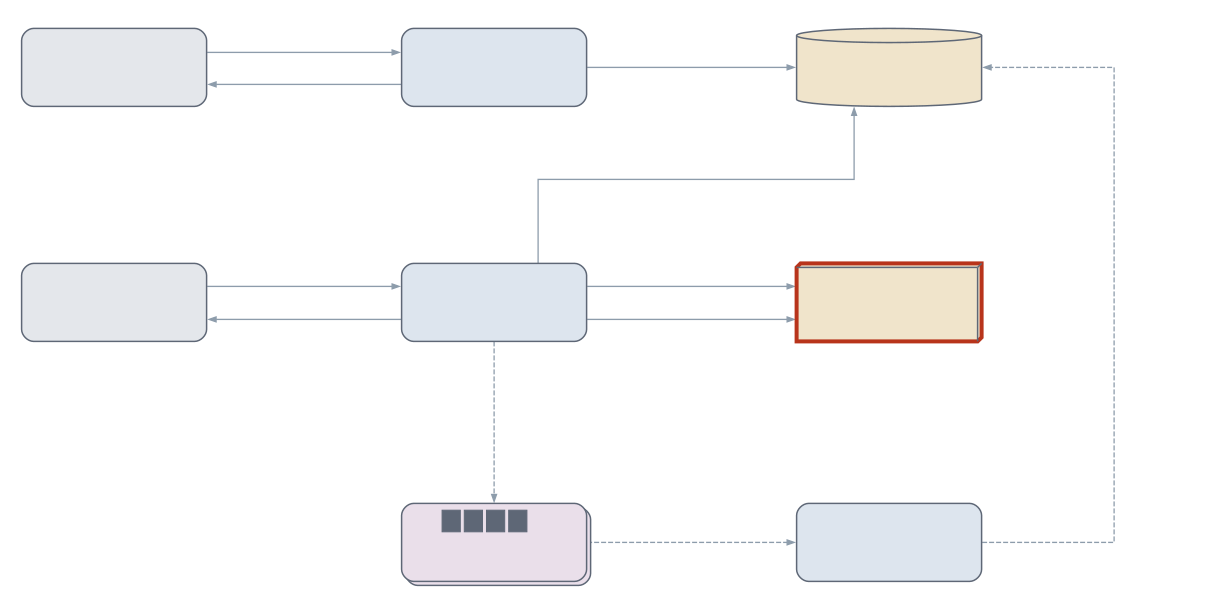
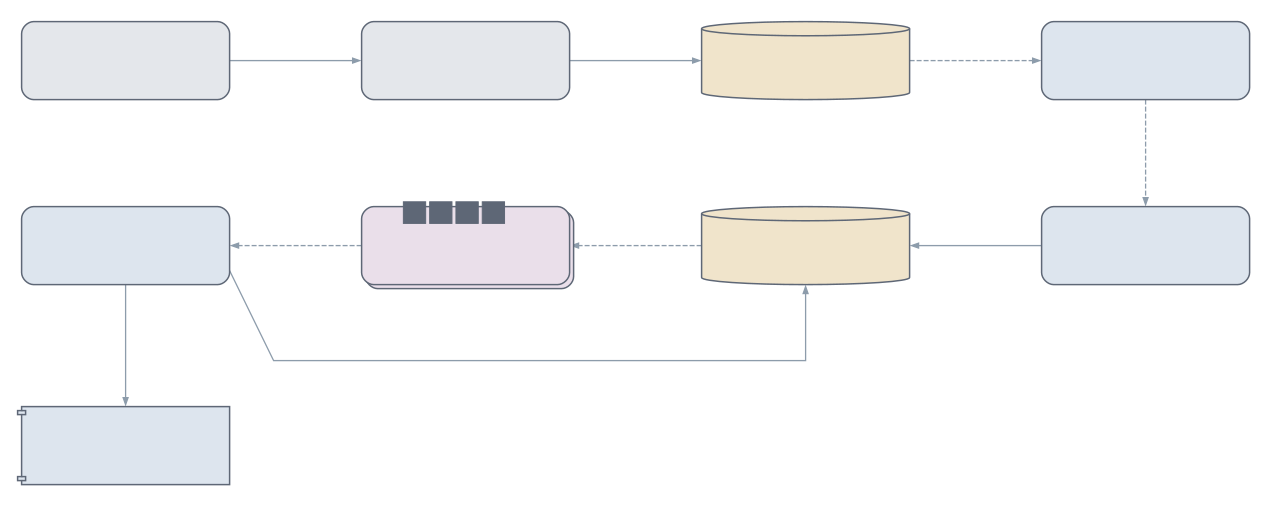
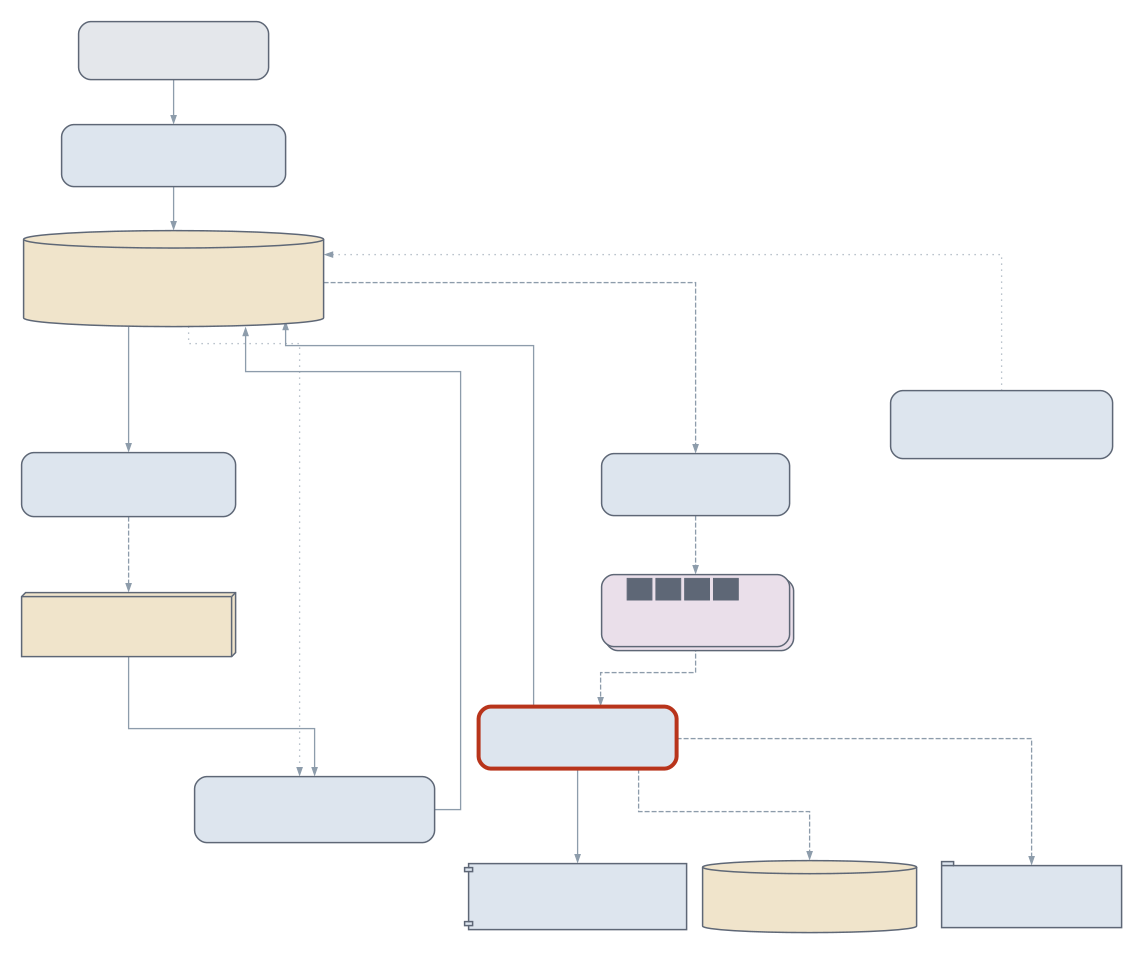
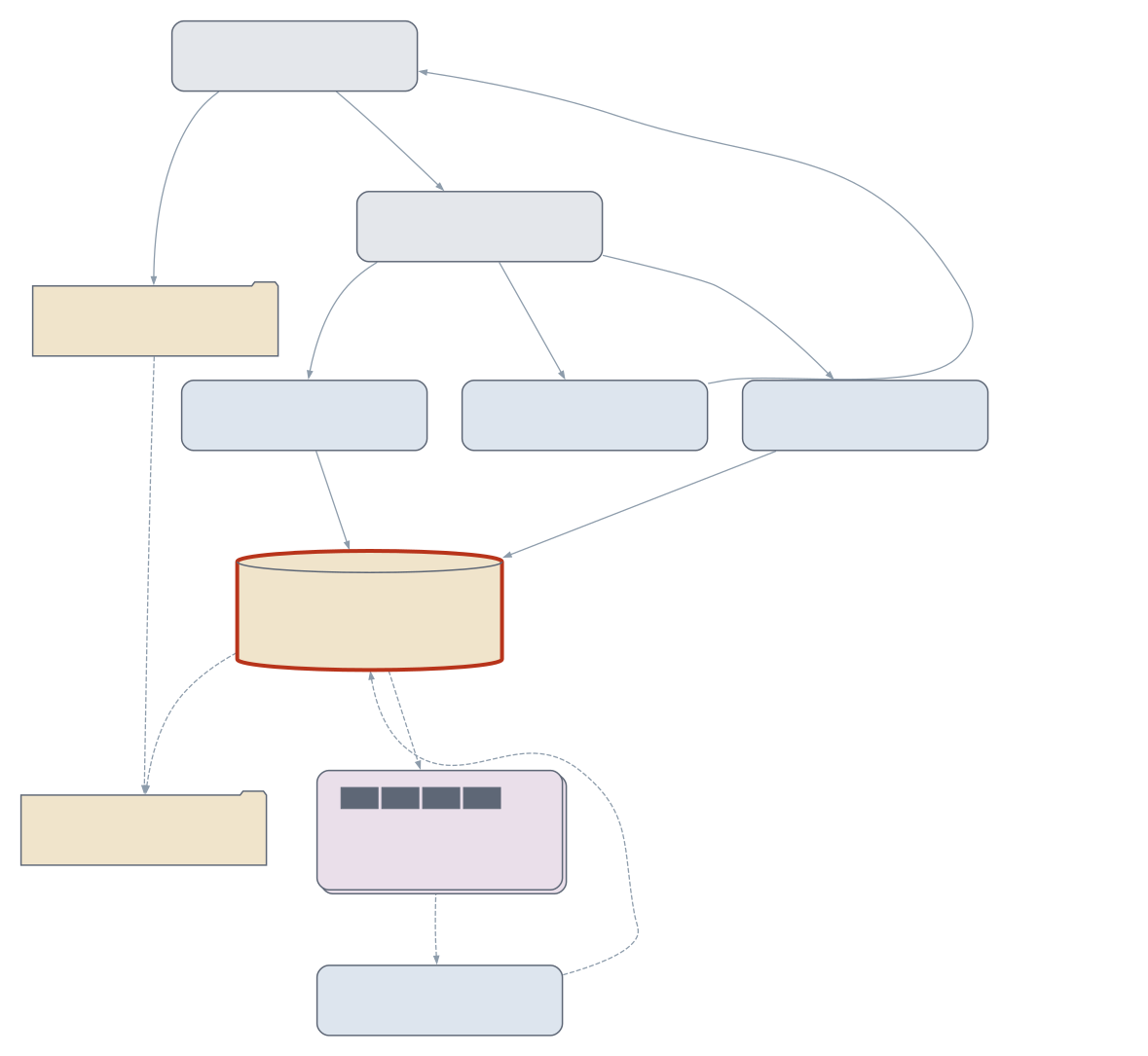
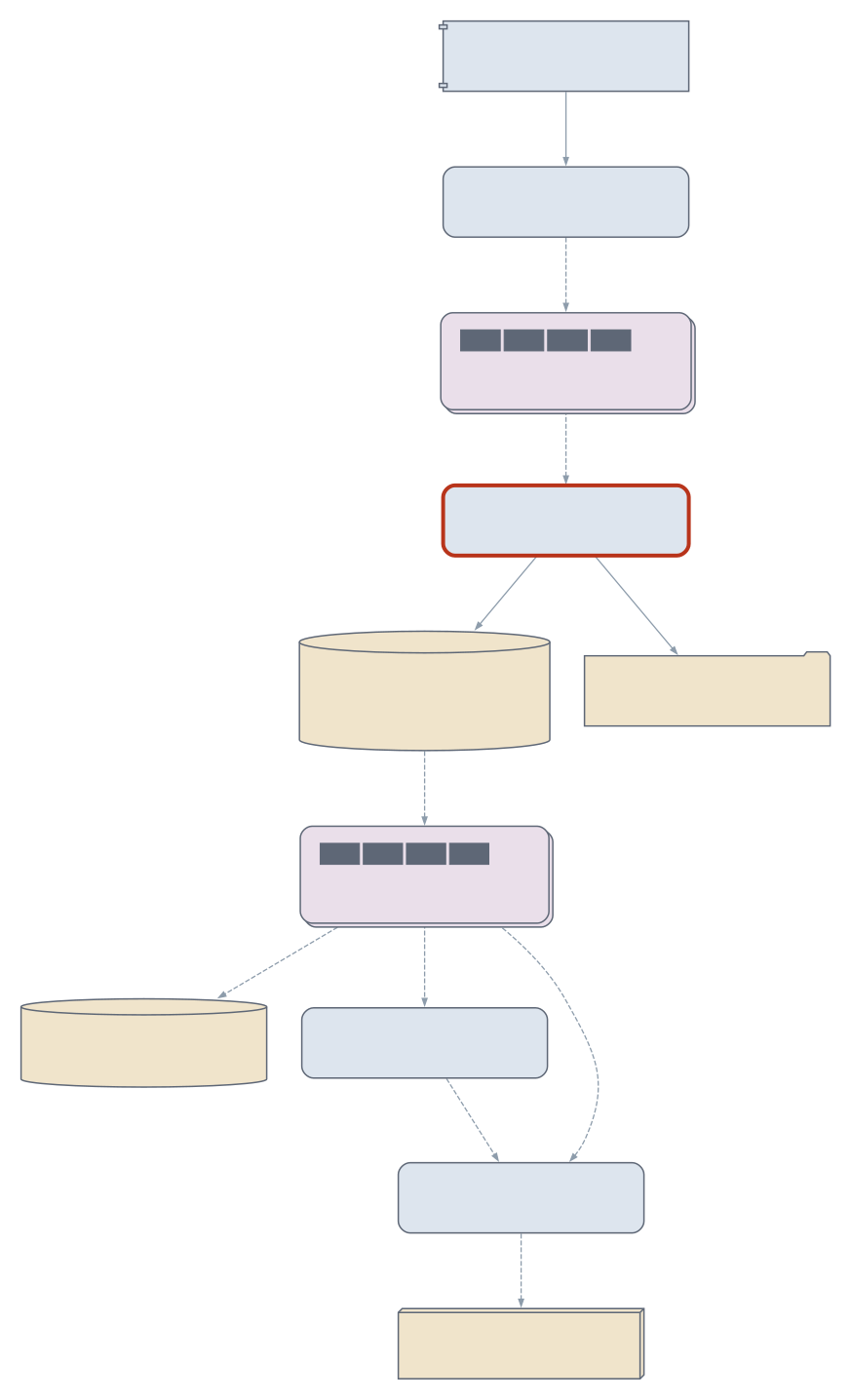
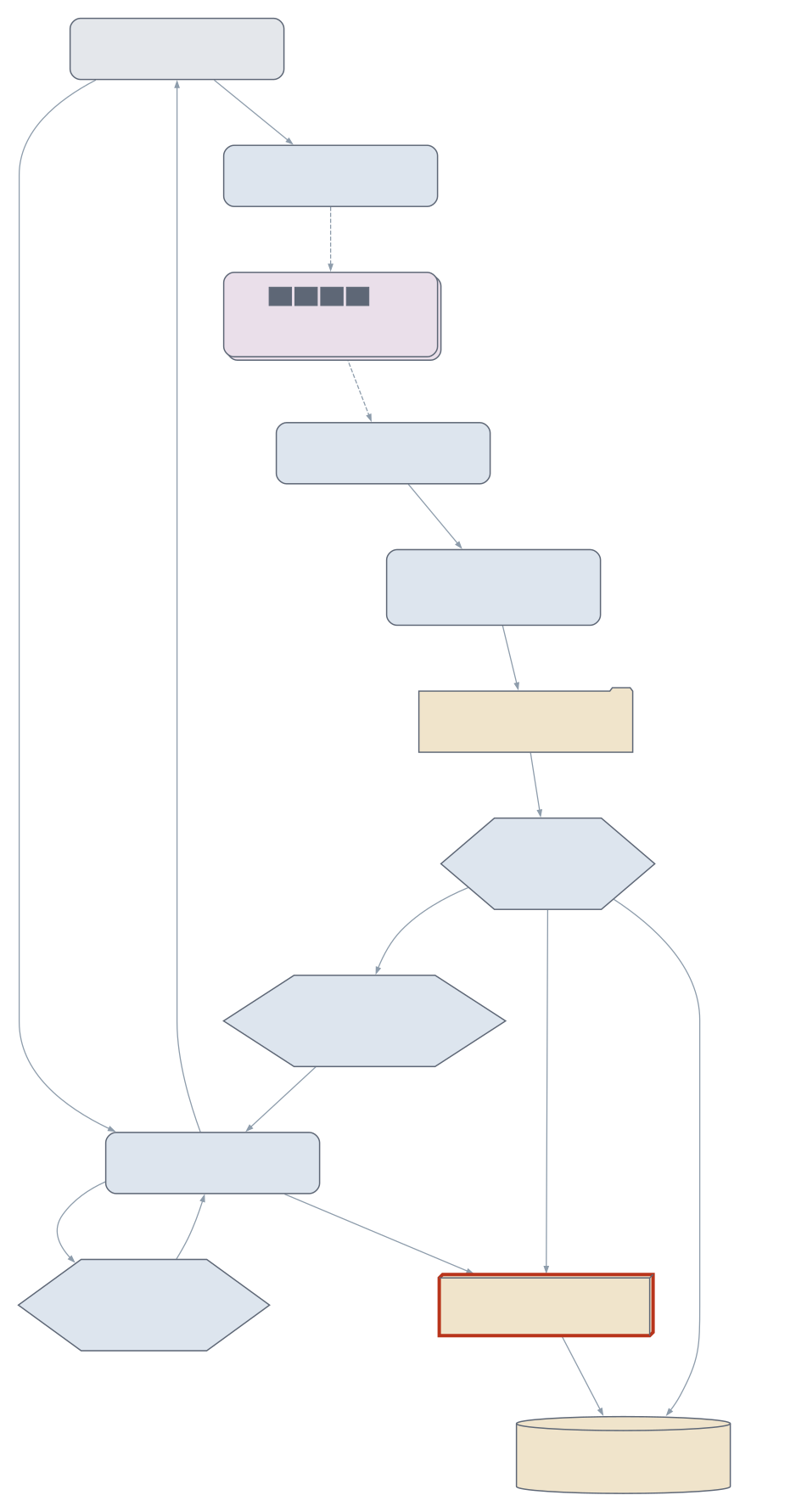
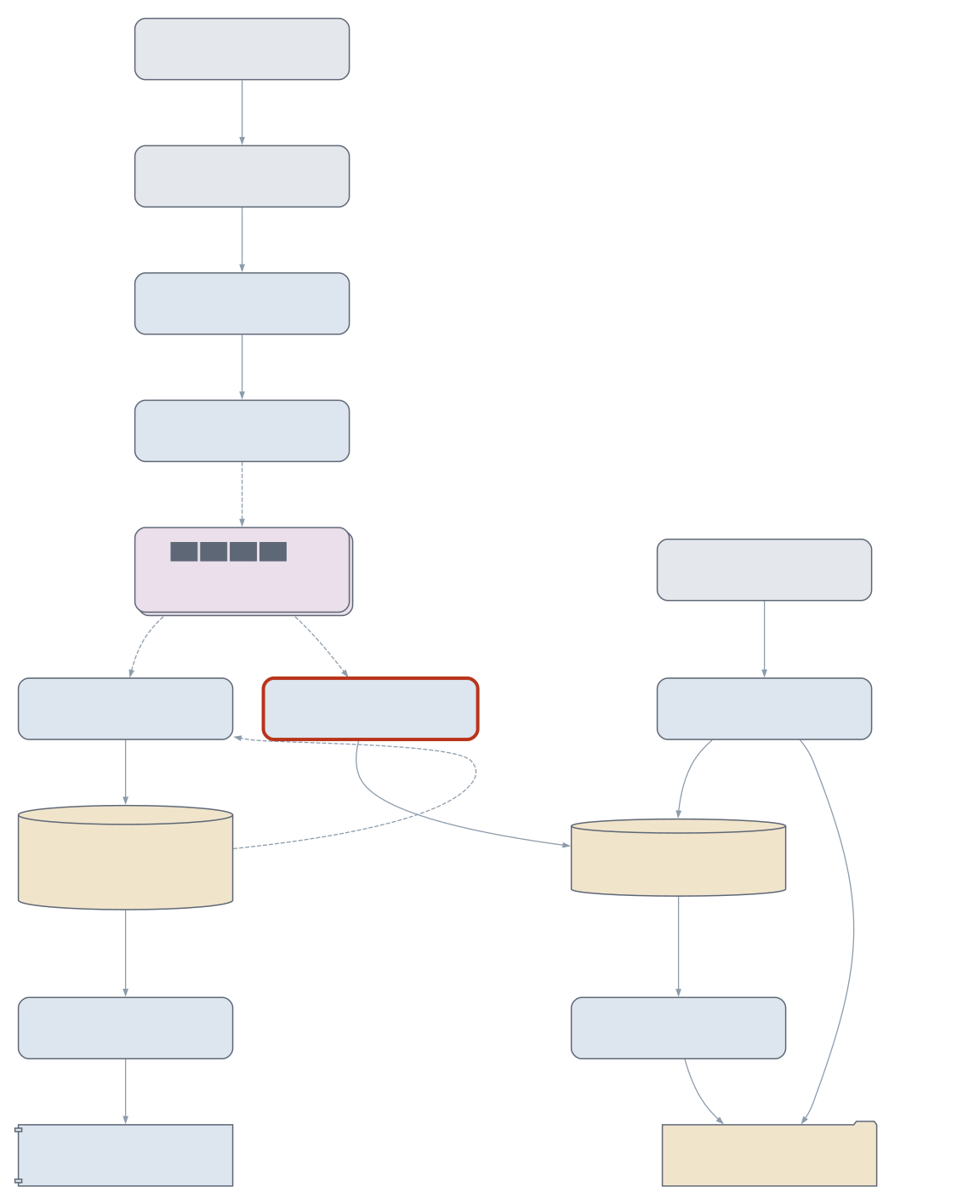
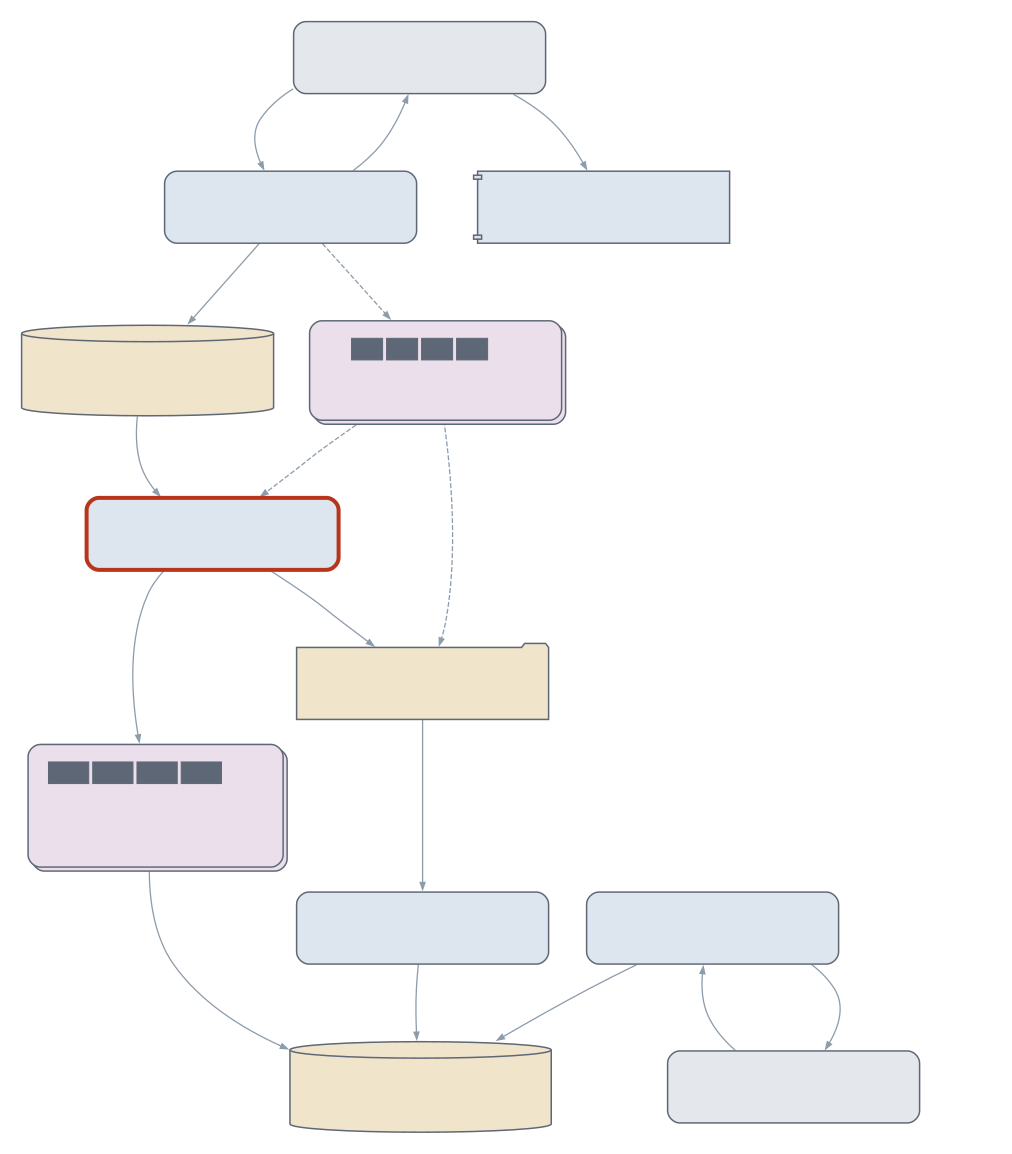
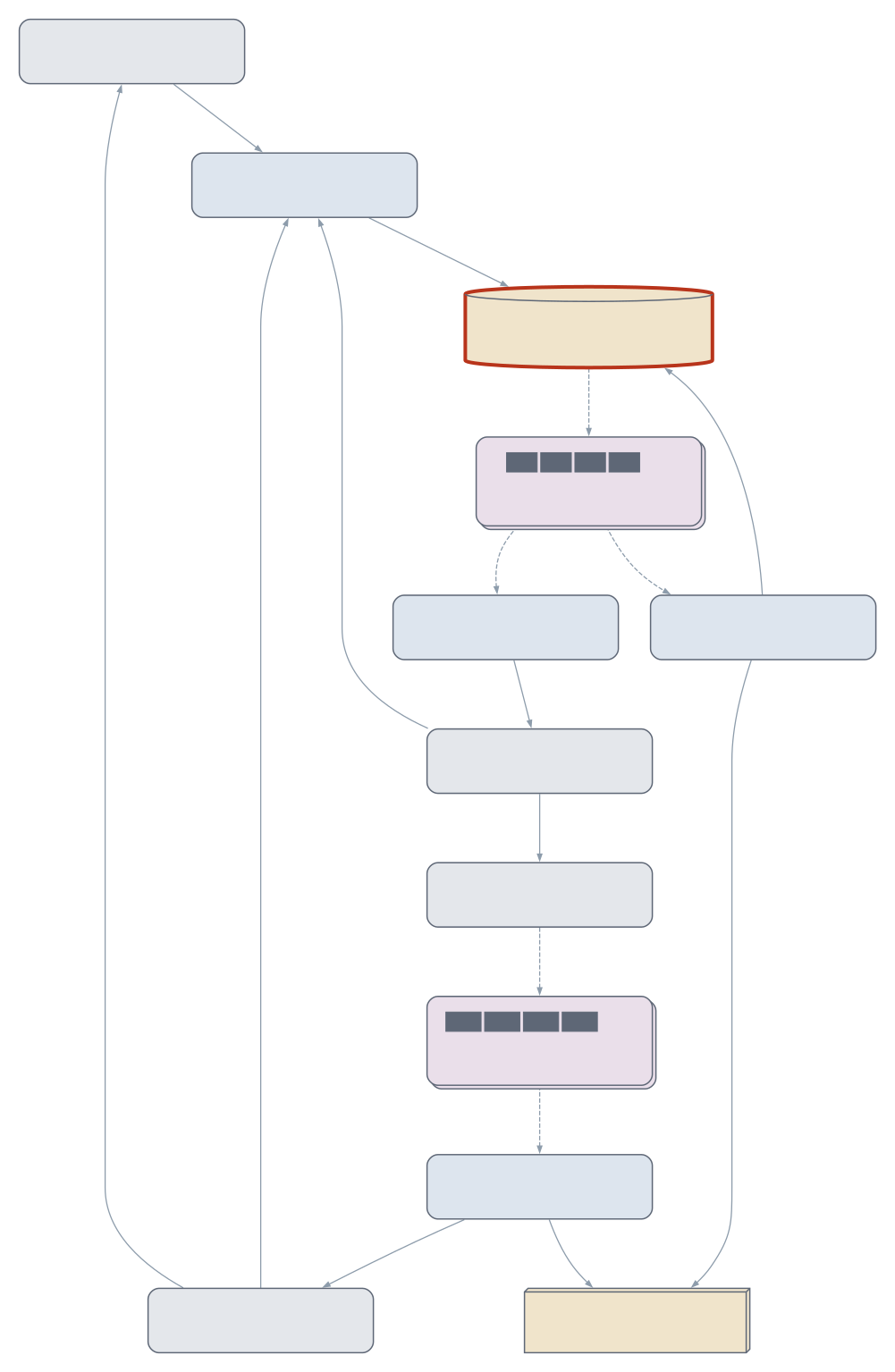
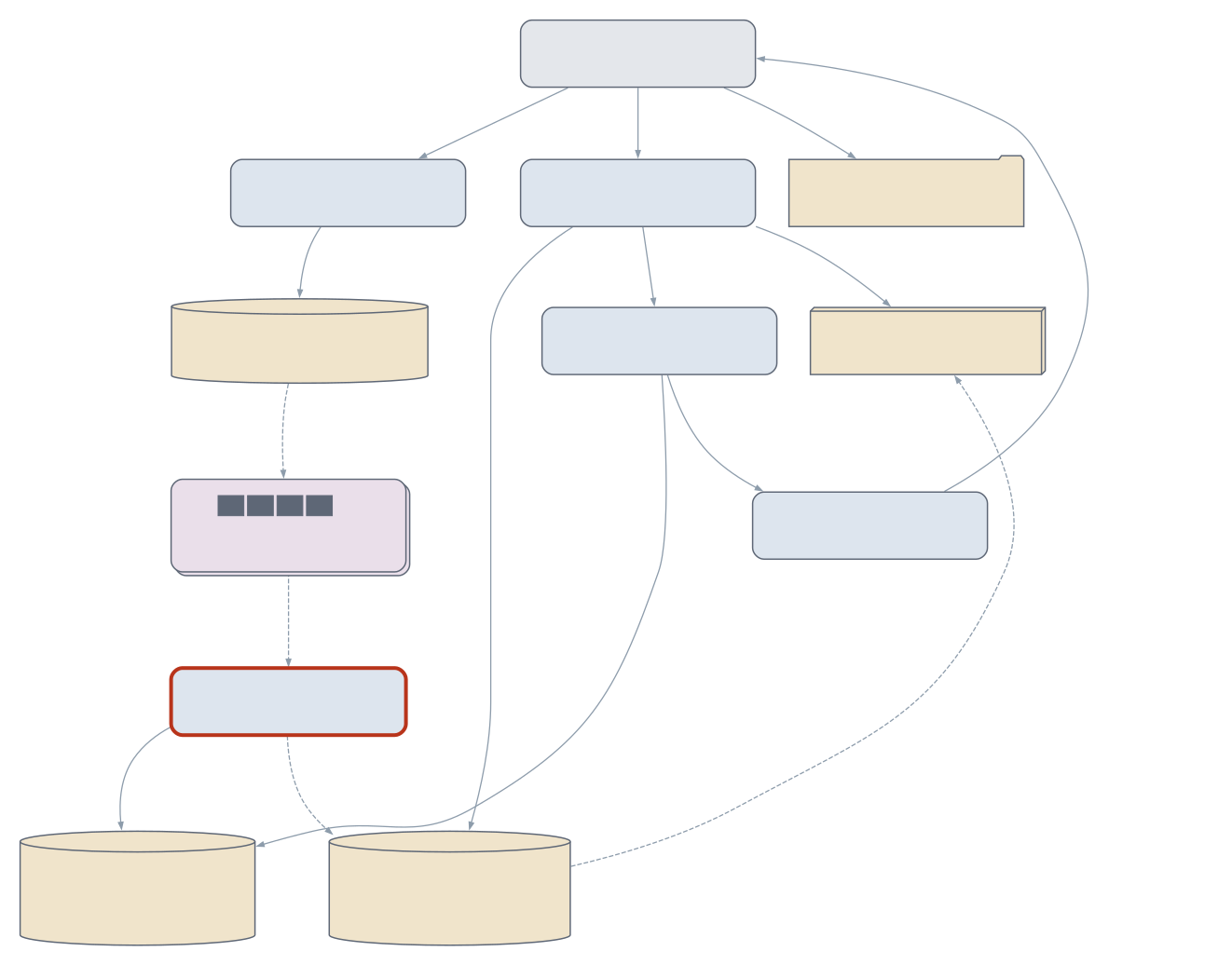
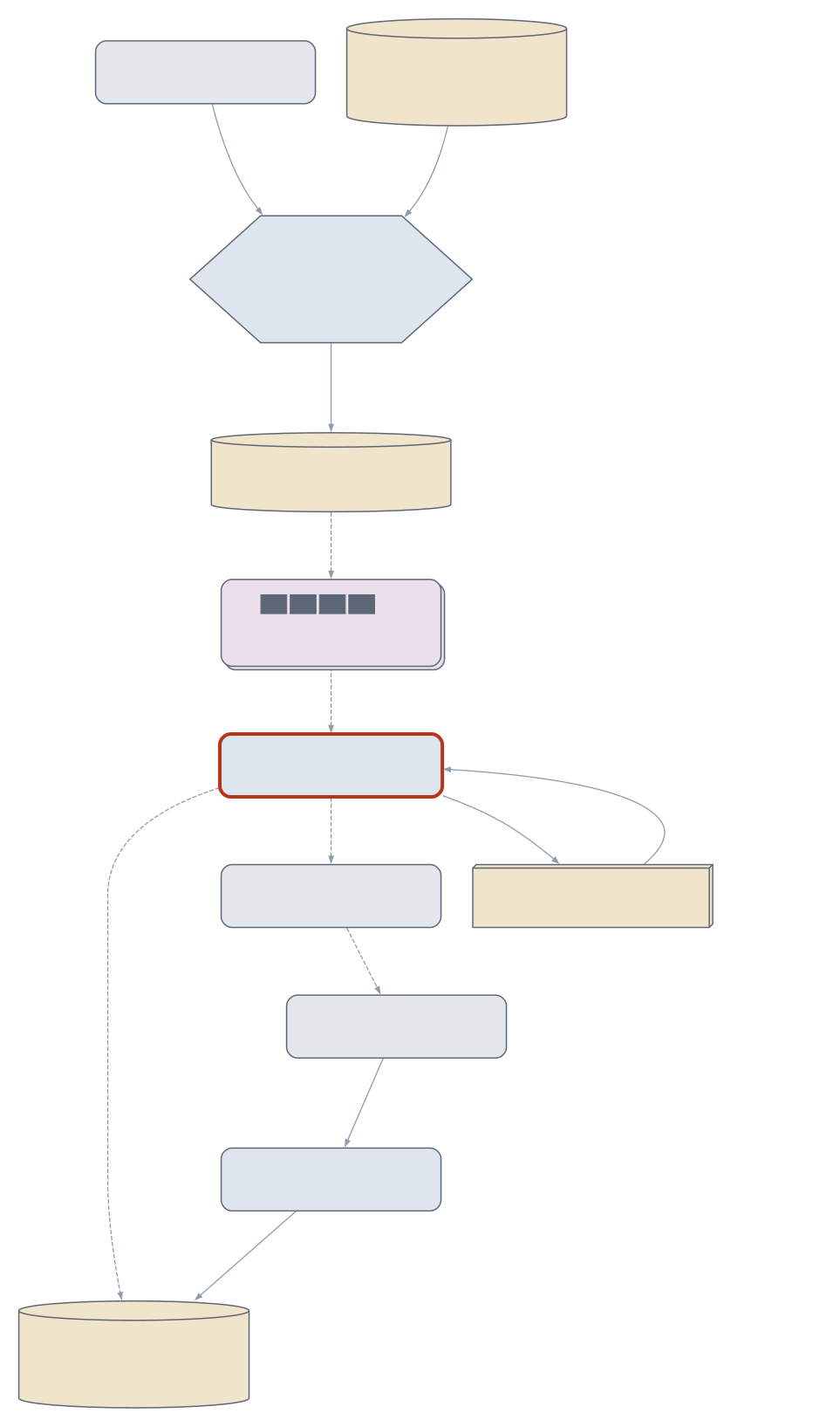
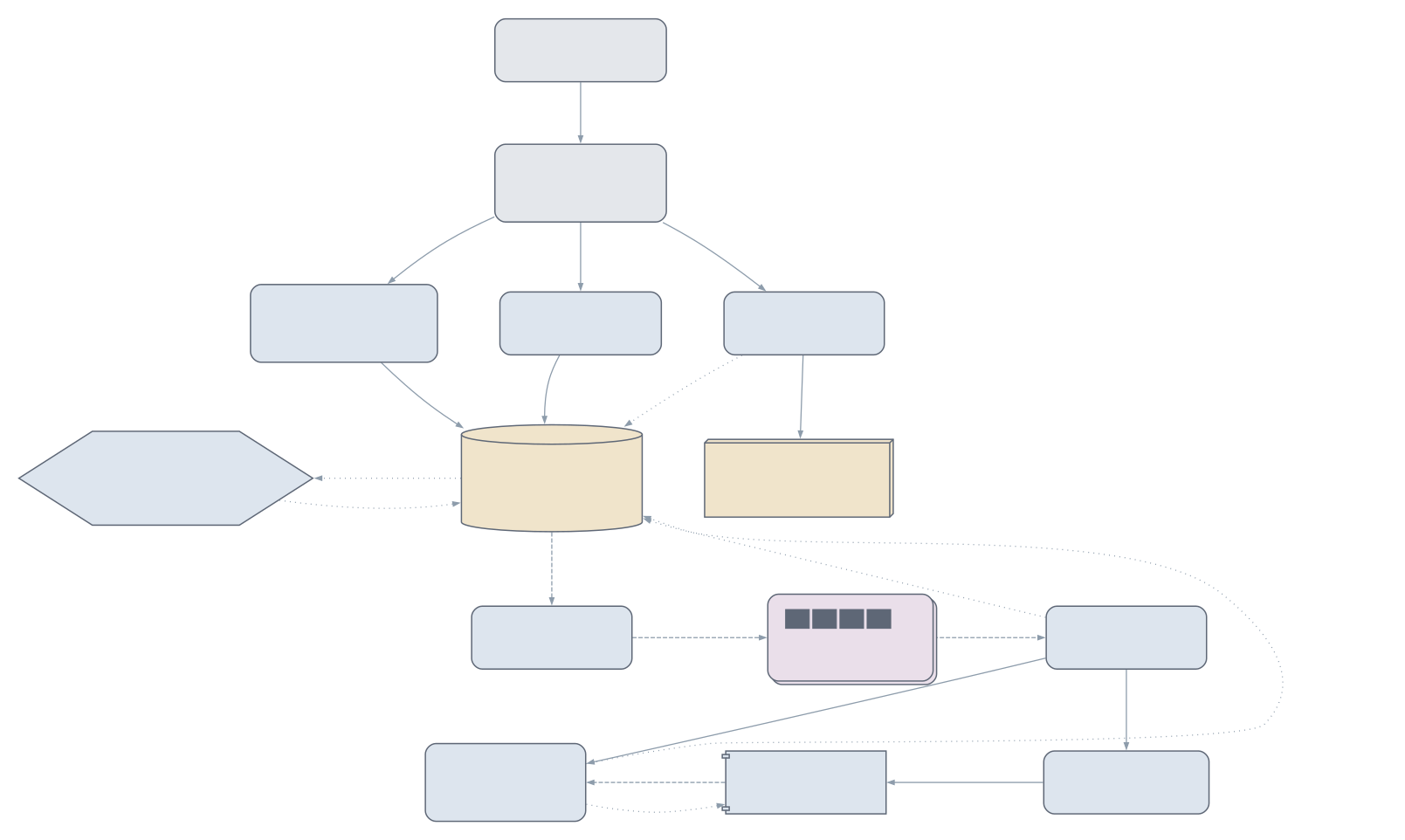
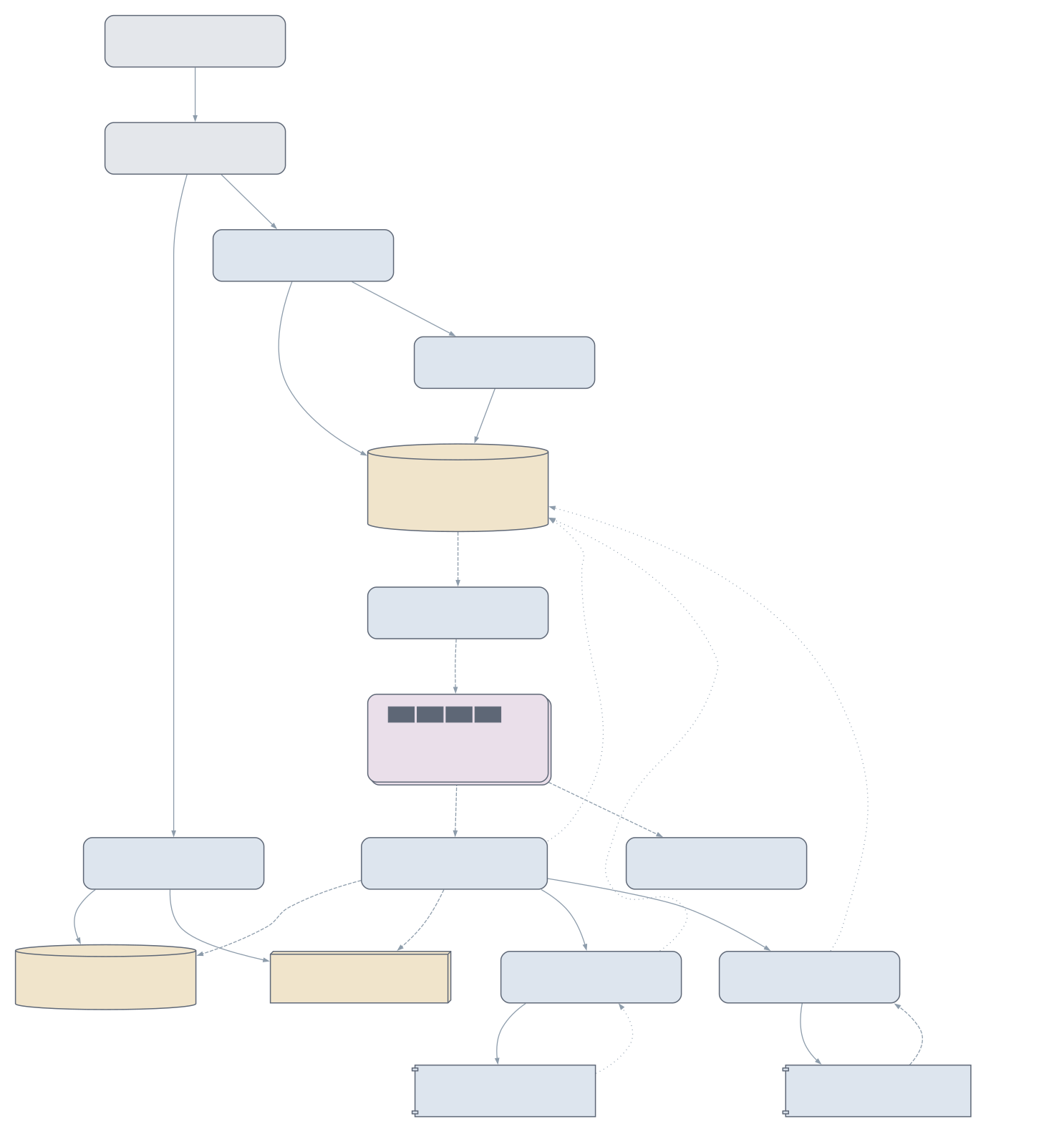
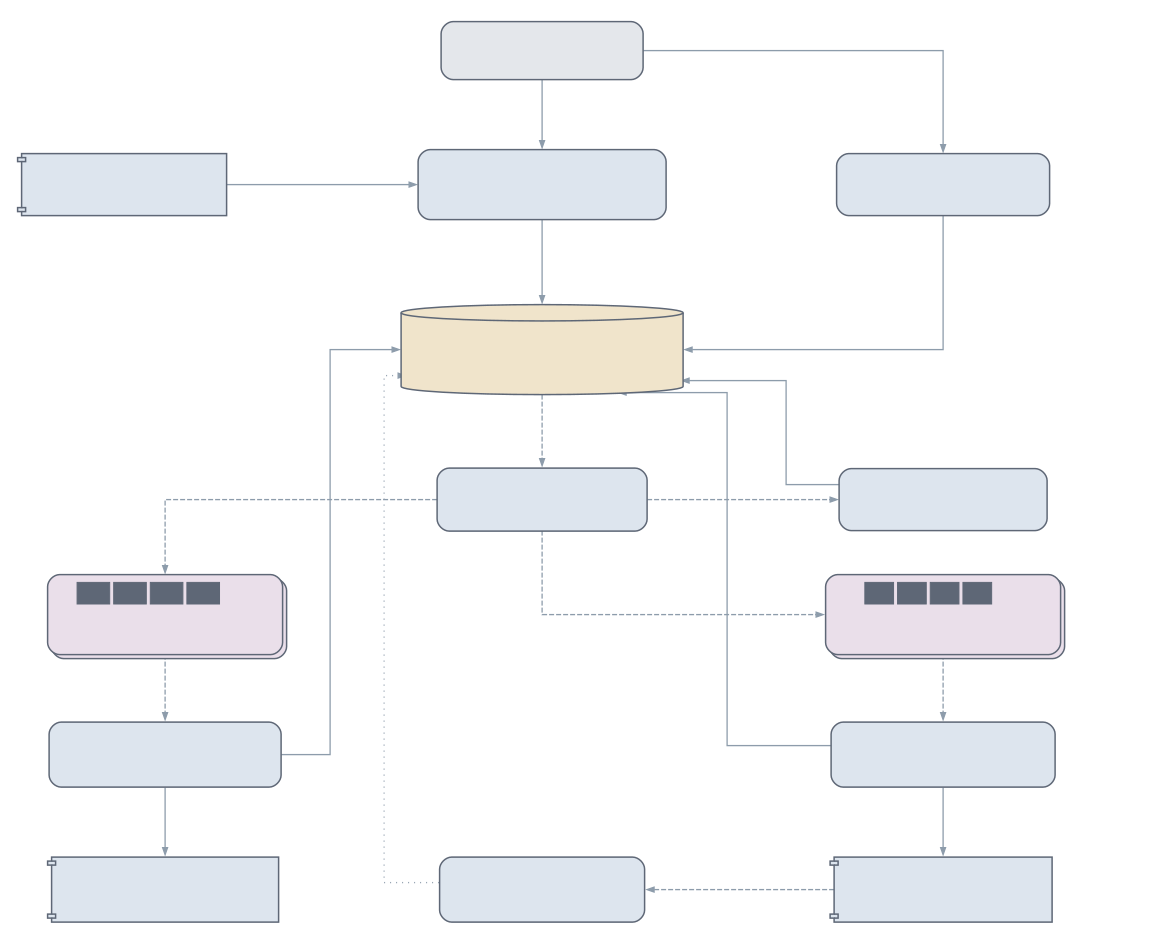
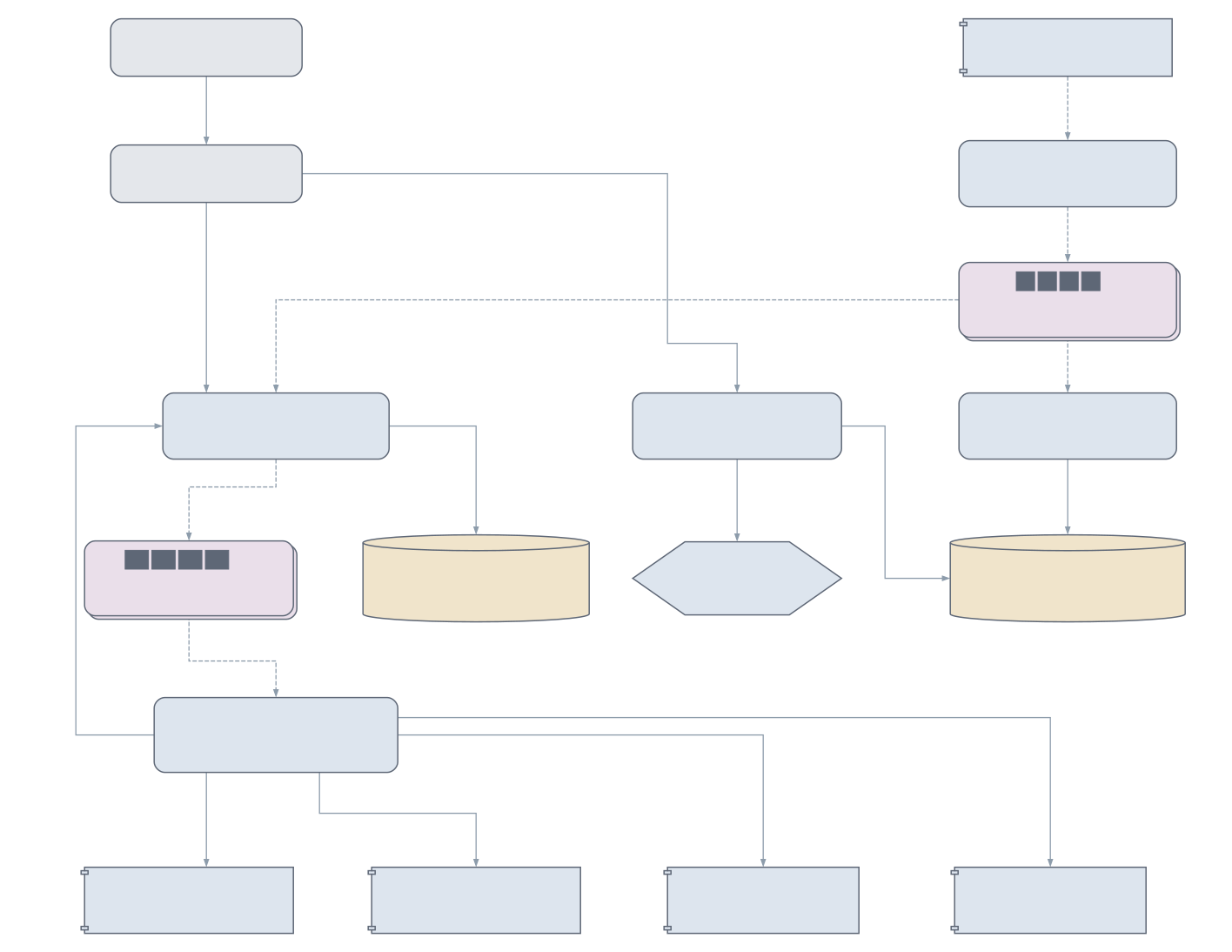
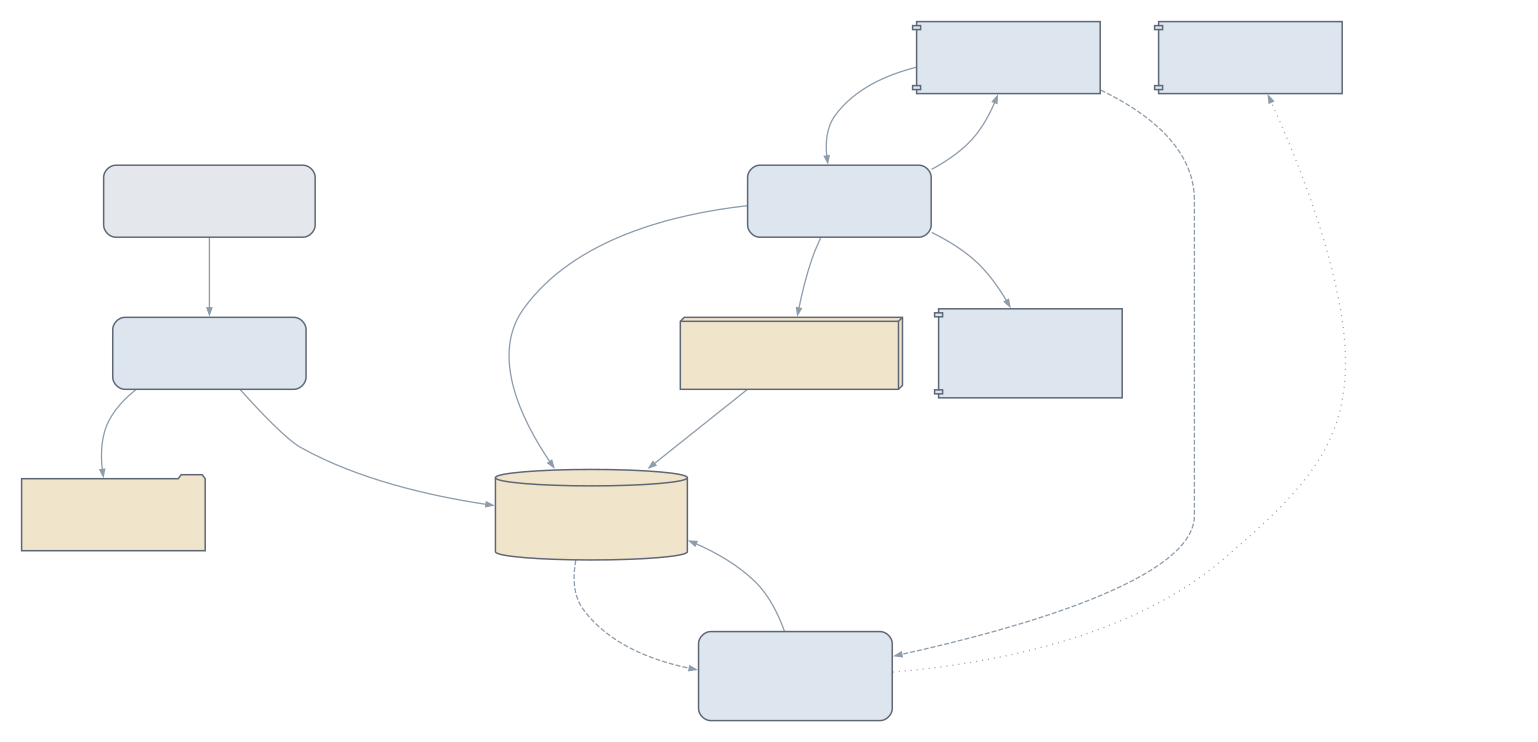
How to draw this design
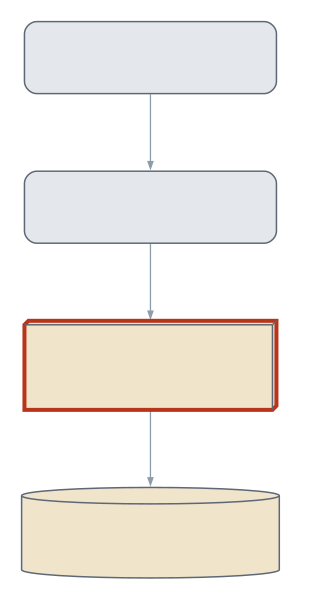
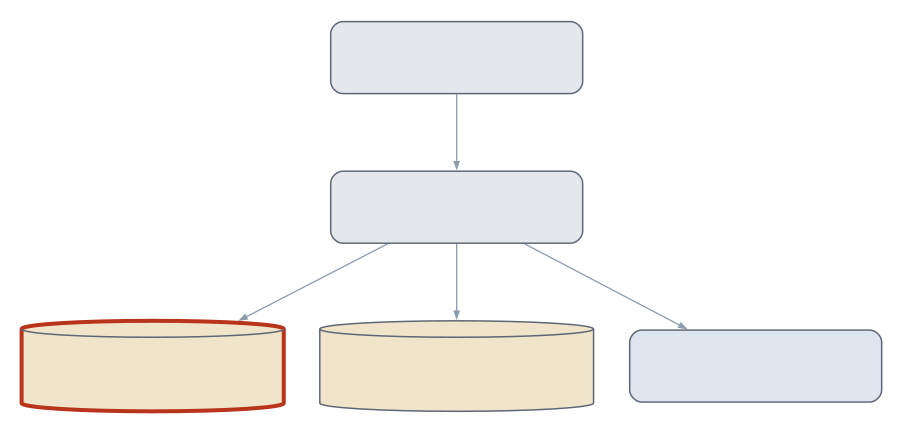
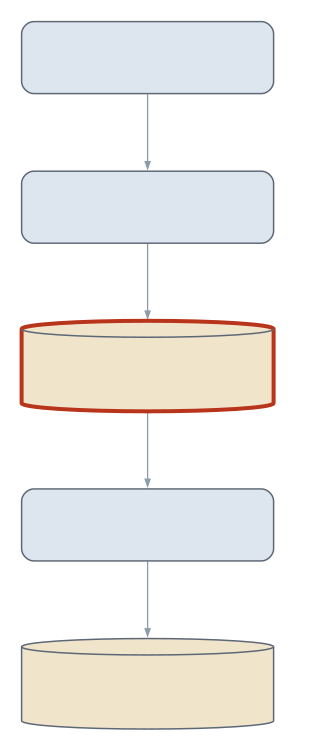
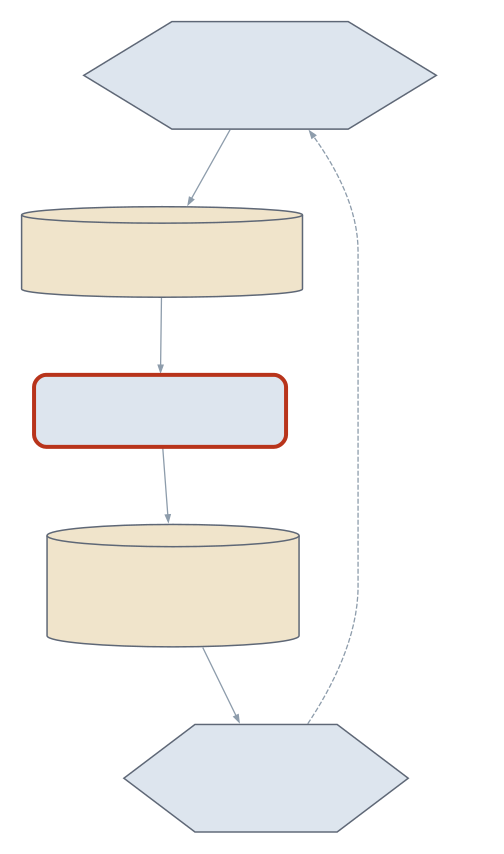
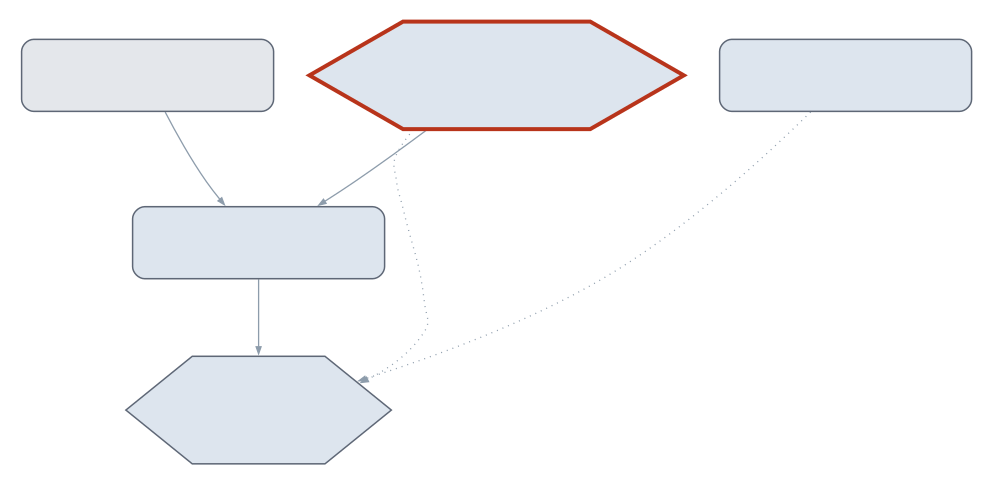
- Accept a messageSender, edge gateway, and conversation owner
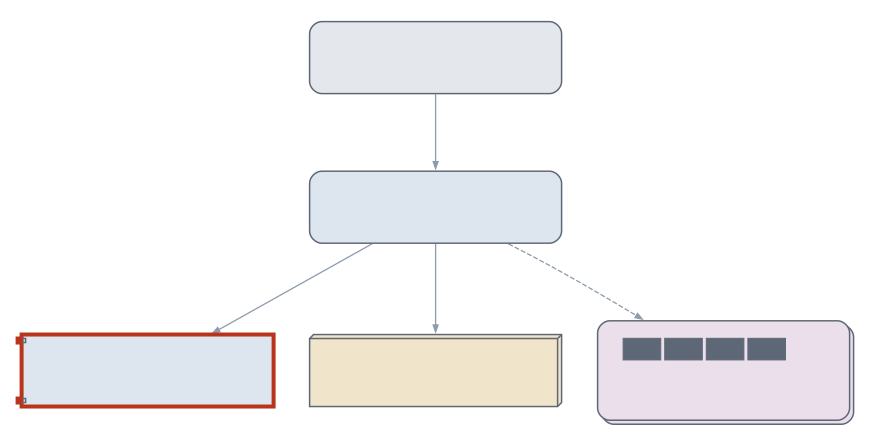
- Order it durablyReplicated conversation journal, membership, and device registry
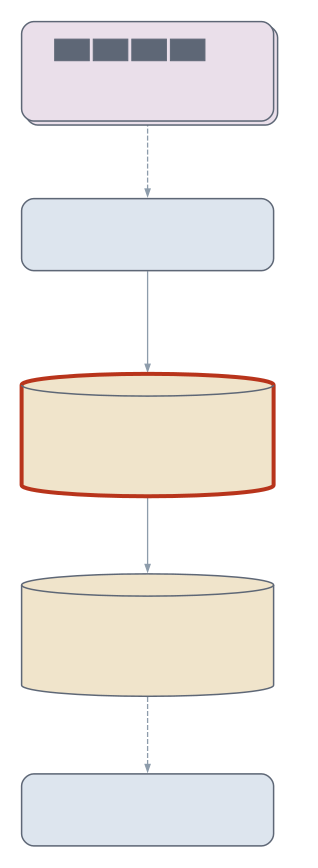
- Deliver liveKafka delivery stream, workers, and recipient gateway
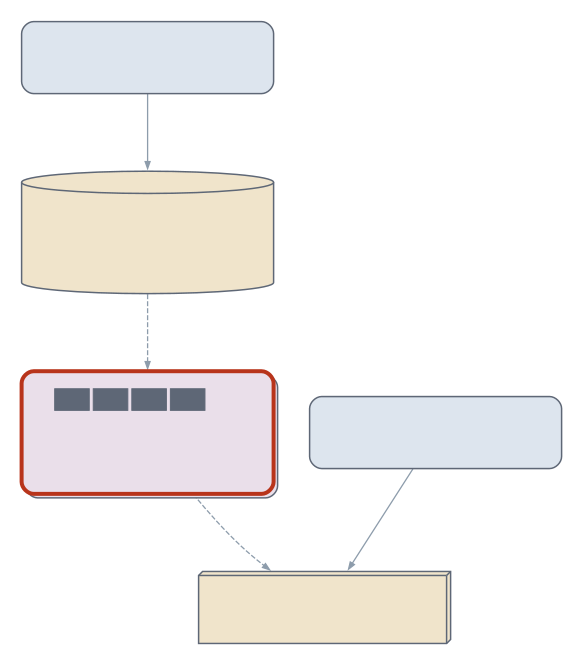
- Reconnect and catch upSync service, Cassandra histories, cursors, and receipts
Commit one ordered message, then deliver it live or replay it from the recipient's cursor.
- State ownership
- The conversation journal owns committed order. Cassandra holds derived sync views.
- Scale
- Partition by conversation and scale delivery separately.
- Correctness
- Deduplicate send retries with the same client message ID and enforce one sequencing authority.
- Failure and recovery
- On loss, stop new commits in that partition and resume from the committed prefix.
- Edge
- Compute
- State
- Messaging
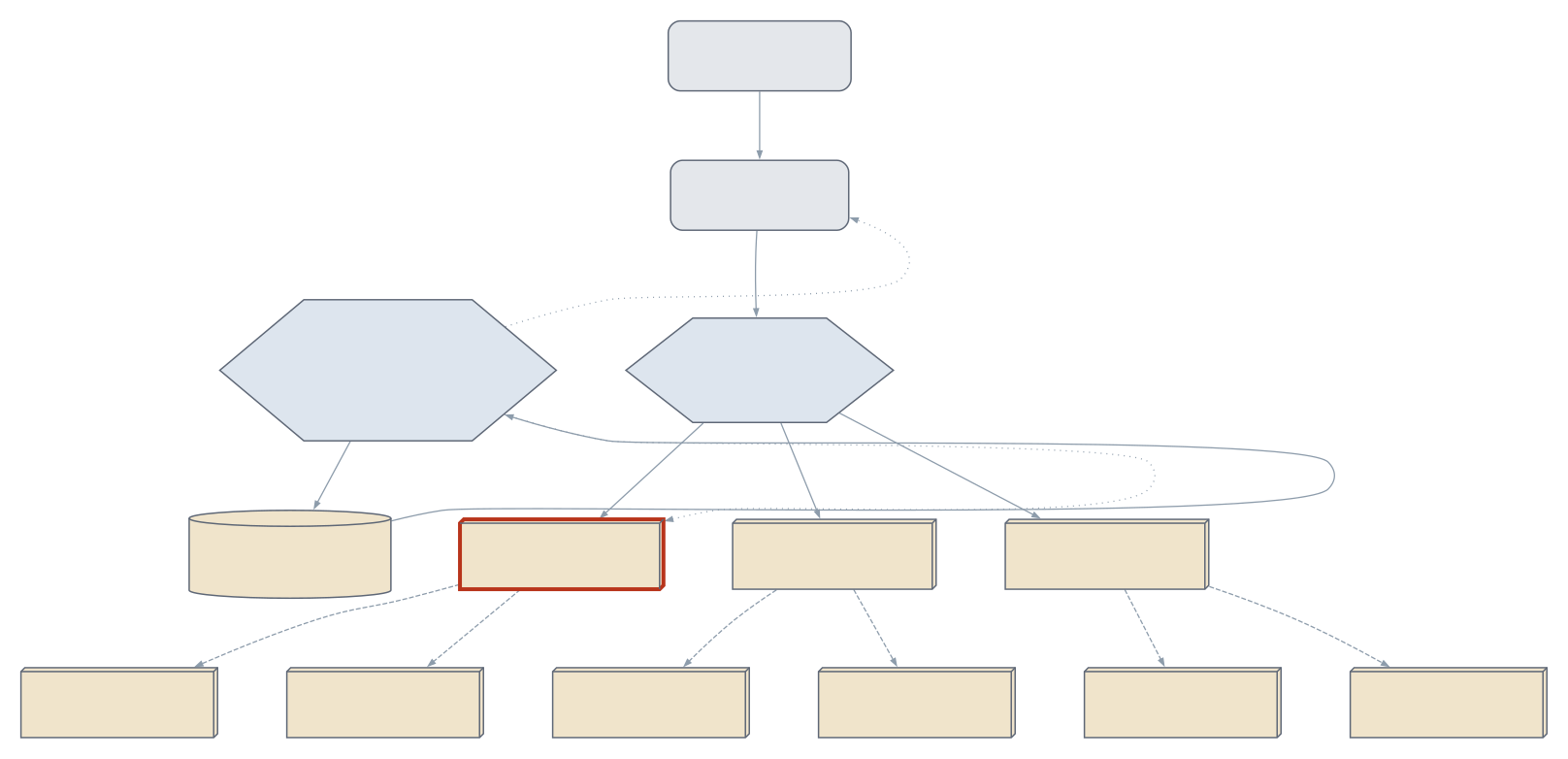
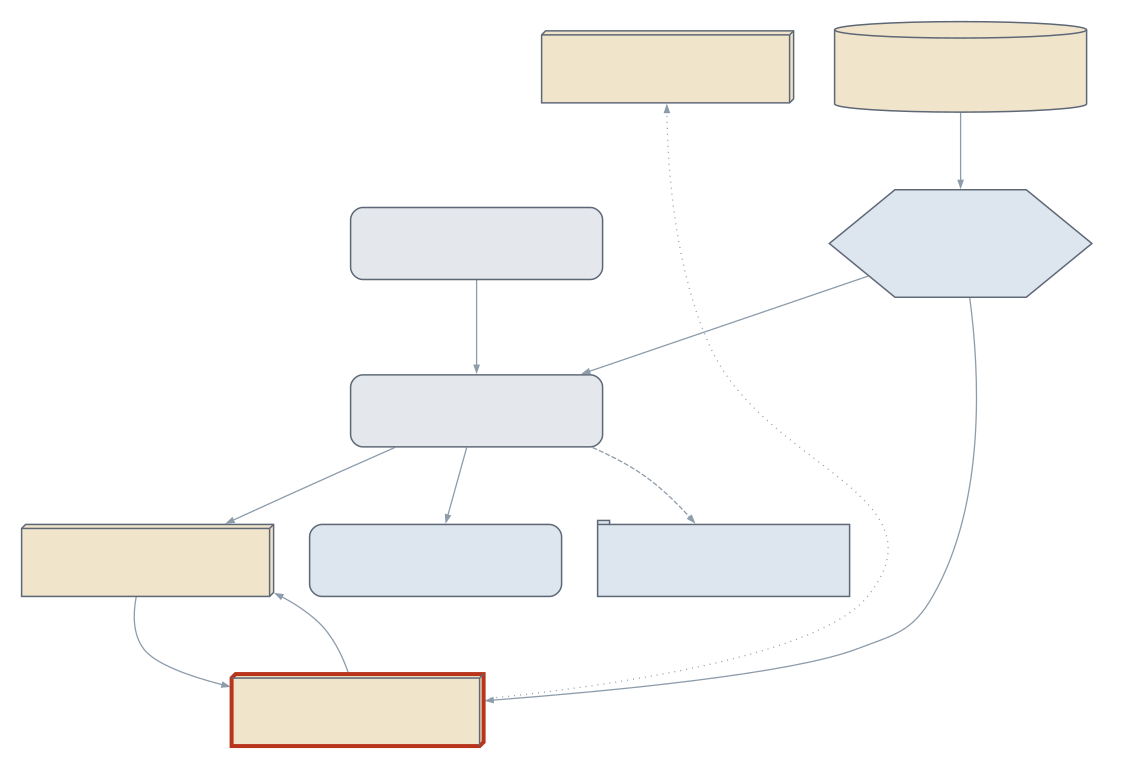
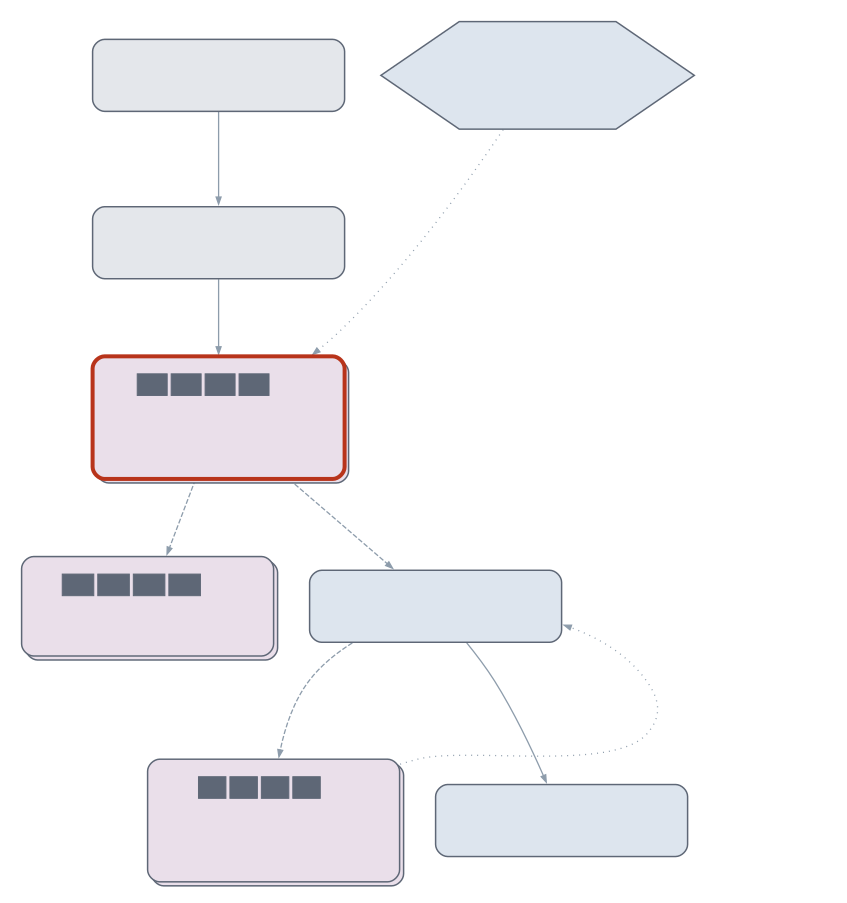
━━ Synchronous┄┄ Asynchronous···· Recovery / control▧ Fault
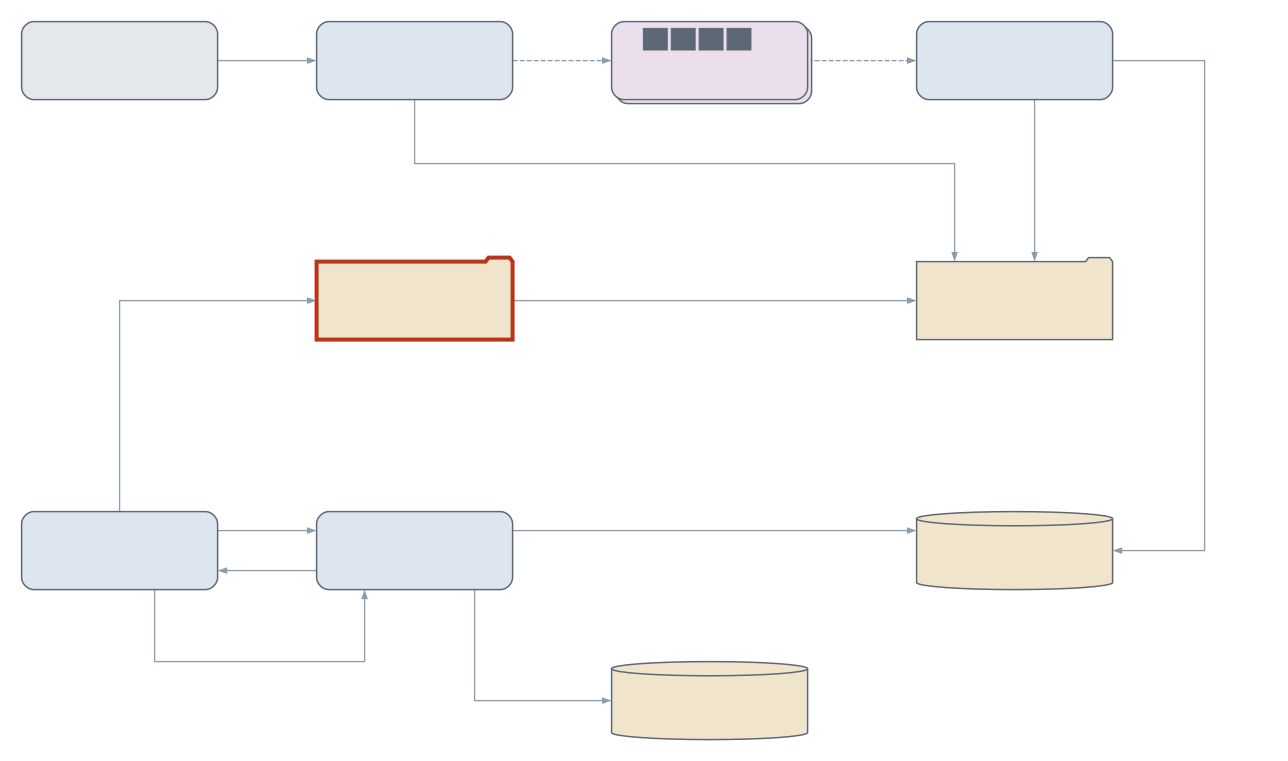
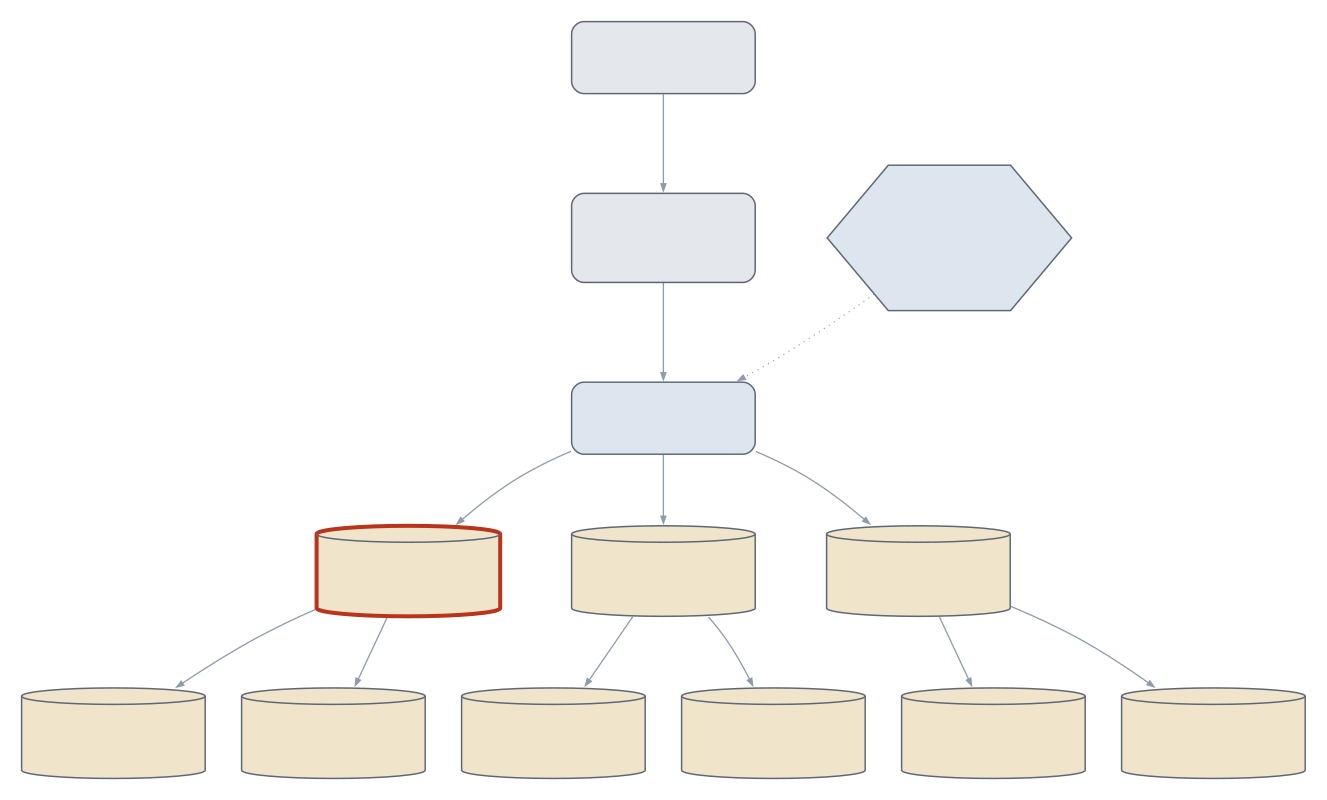
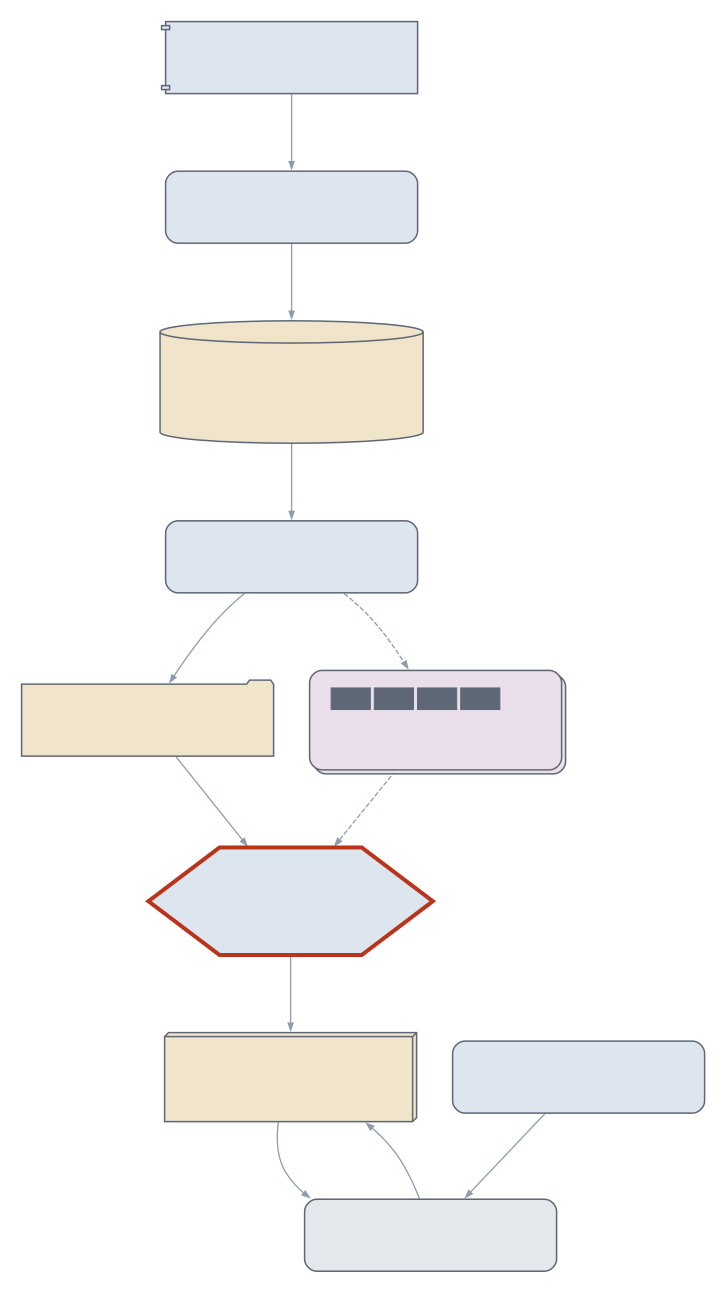
Each arrow is one interaction. Request, background and recovery branches are not one linear transaction.
Read the 12 flow steps
High-level design component walkthrough
Sender + Edge Gateway
TLS socket; authenticate; retry key
Why, tradeoff and connected operations
Centralize admission and routing while keeping business-state ownership downstream.
Tradeoff: Socket is not durable acceptance
Connected operations: Send message with stable ID
Conversation Owner / Sequencer
Membership, dedup, sequence in order
Why, tradeoff and connected operations
Make ownership/version changes explicit; downstream resources must reject stale owners.
Tradeoff: One hot chat has serial work
Connected operations: Send message with stable ID; Verify membership and versions; Commit ordered command by
Custom Raft Journal / RocksDB
command; durability
Why, tradeoff and connected operations
RocksDB supplies local key-value persistence for the custom conversation journal. The separate protocol orders accepted commands and replicates them to a . An embedded store fits local ordered state; RocksDB itself does not provide distributed consensus or -style joins.
Tradeoff: WAN adds send latency
Connected operations: Commit ordered command by ; Relay committed events
Sync / Receipt Service
Cursor replay; monotonic device
Why, tradeoff and connected operations
Isolate this operation so it can scale and fail independently from storage.
Tradeoff: Projection lag must be explicit
Connected operations: Reconnect, sync or acknowledge; Read changes or update receipt
PostgreSQL / Membership / Device Registry
Roles and key-version boundaries
Why, tradeoff and connected operations
PostgreSQL stores conversation membership, roles and device registrations. Transactions keep related access and key-version changes consistent. fits this control data; the message journal and history have different ordering and volume needs.
Tradeoff: Stale authorization is unsafe
Connected operations: Verify membership and versions
Kafka Delivery Stream
Replay committed events only
Why, tradeoff and connected operations
Relay committed journal entries idempotently to projection consumers; journal and Kafka are not one distributed transaction. Isolate this operation so it can scale and fail independently from storage.
Tradeoff: At-least-once processing
Connected operations: Relay committed events; Deliver projection work
Cassandra: History, Inbox and Receipts
Store rebuildable tables keyed by conversation, user, or device as needed.
Why, tradeoff and connected operations
Cassandra keeps history, inbox and receipt tables keyed for conversation, user or device reads. Separate table shapes make paginated retrieval predictable at high volume. These are rebuildable views of the accepted journal, rather than the authoritative membership records.
Tradeoff: Projection; not ordering authority
Connected operations: Project history and inbox; Read changes or update receipt
Projection / Delivery Workers
History first; live + offline routes
Why, tradeoff and connected operations
Isolate this operation so it can scale and fail independently from storage.
Tradeoff: Bound retries and group
Connected operations: Deliver projection work; Project history and inbox; Look up live routes; Return active gateway hint; Route to recipient gateway
Recipient Devices
Persist then ; local dedup
Why, tradeoff and connected operations
An application or user-facing endpoint starts or receives this flow.
Tradeoff: Offline devices need later replay
Connected operations: Push to active devices; Reconnect, sync or acknowledge
Recipient Gateway
Push to active leased session
Why, tradeoff and connected operations
Centralize admission and routing while keeping business-state ownership downstream.
Tradeoff: Bound buffers; reconnect on failure
Connected operations: Route to recipient gateway; Push to active devices
Presence Redis + Push Wakeup
Return current gateway routing hints and trigger push wakeup when offline.
Why, tradeoff and connected operations
Redis keeps short-lived gateway locations and presence hints. Expiry removes abandoned sessions and helps route live delivery quickly. Presence is ephemeral; durable messages remain in the journal/history stores when a Redis entry disappears.
Tradeoff: Best effort; never message truth
Connected operations: Look up live routes; Return active gateway hint
Engineering control room
Deep dives — decisions, failures and recovery
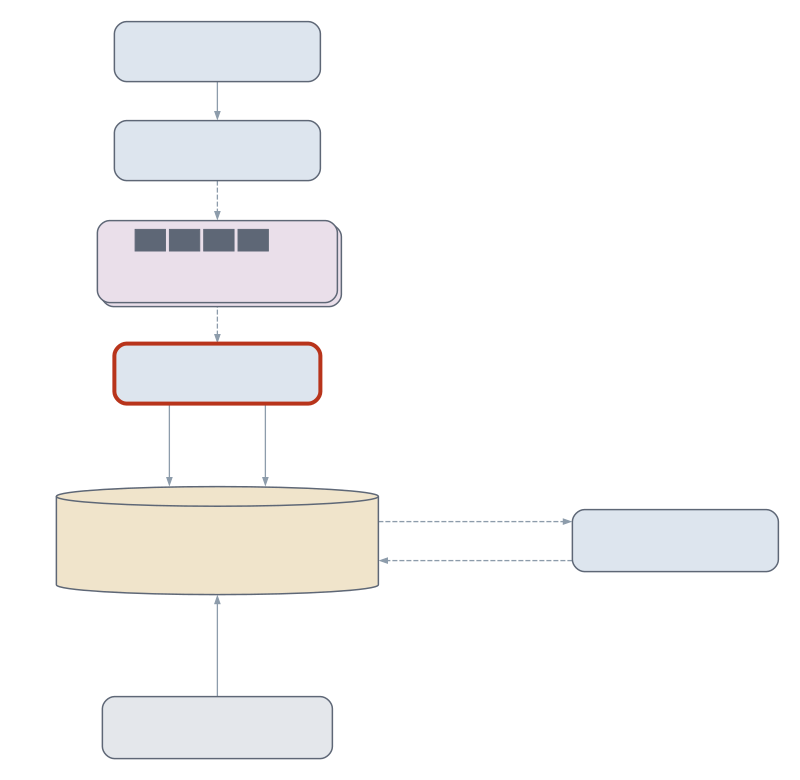
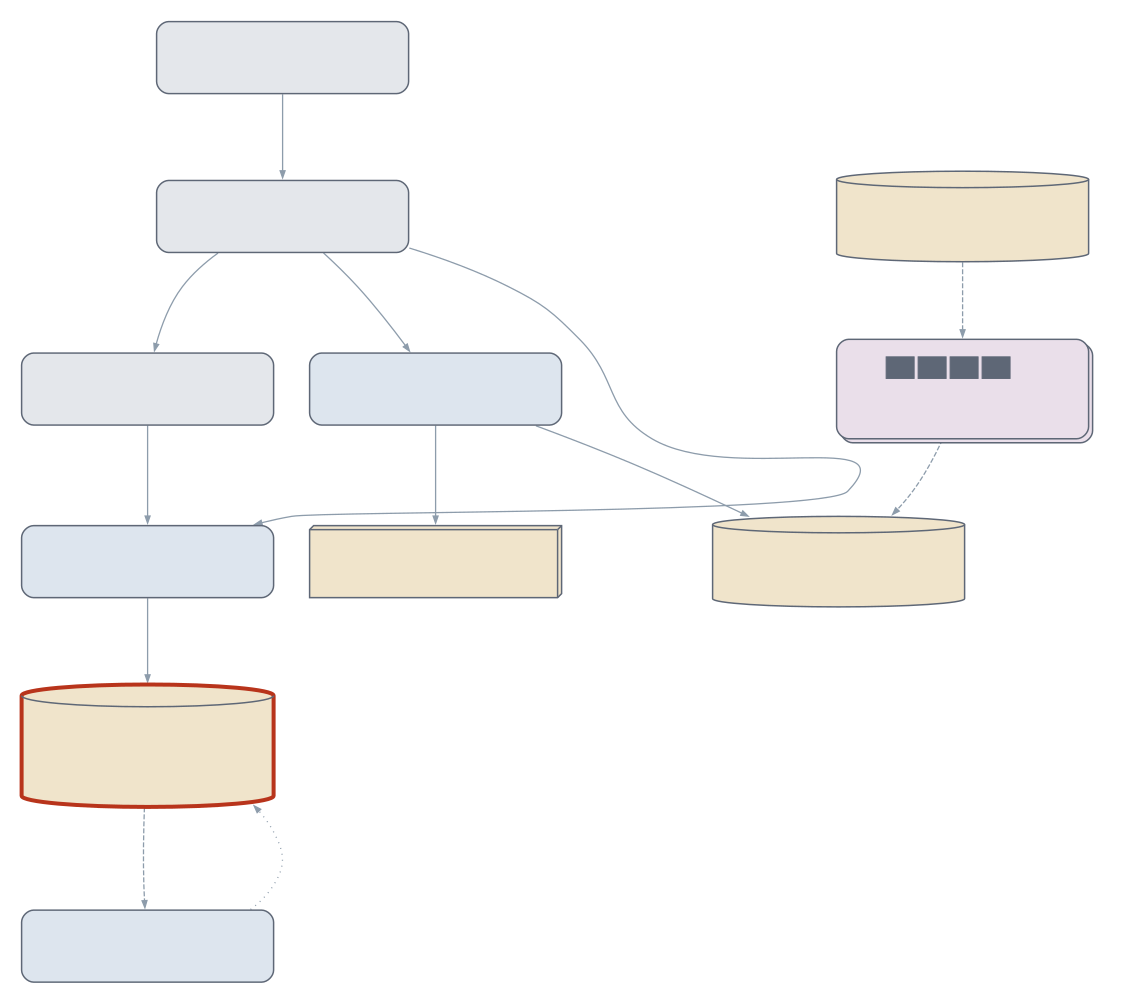
Open a deep dive to follow the steps, try an example and see how recovery works.
Additional technical detail
End-to-end: Authenticated send → one fenced conversation owner → -committed command → SENT → replayable delivery pipeline → durable history and inbox projections → best-effort live socket → client . Reconnection repairs gaps from durable history, independently of presence.
1 · Scope, guarantees, and what to clarify
Design WhatsApp/Messenger-style 1:1 and bounded group chat: text/media, multiple devices, online delivery, offline replay, sent/delivered/read states, and membership changes. Ask about group size, , multi-device history policy, and end-to-end encryption. Calls, public broadcast channels, global search, and cryptographic protocol design are follow-ups. This is a proposed interview architecture, not a claim about either company’s implementation.
- Ordering: all members observe the same server-defined sequence within one conversation; no total order across conversations and no reliance on client wall clocks.
- Delivery: at-least-once transport plus durable server/client gives one visible message per logical send within the defined window. Do not claim exactly-once network delivery.
- Durability: SENT means -committed acceptance, not a socket write. DELIVERED means a recipient device durably received it; READ means the recipient reported display/read. Define whether the UI aggregates “any device” or “all devices.”
- Targets: accepted send under 200 ms in the normal home-region path, online delivery under 500 ms, 99.99% read availability, and no loss of -acknowledged messages within the chosen failure domain. Targets are assumptions; cross-region latency may force a higher send budget.
2 · Scale and capacity
| Assumption / calculation | Design implication |
|---|---|
| 100M DAU × 50 sends/day = 5B messages/day ≈ 58k/s average; 5× peak ≈ 290k/s | At 1 KB/message: 5 TB/day raw, 150 TB/30 days, ~450 TB at 3 replicas before indexes, metadata and journal overhead. Media is separate. |
| 10M concurrent sockets; benchmark target 50k/gateway | 200 gateways at that tested limit; provision roughly 2× for headroom/ loss, then validate memory, TLS CPU and bandwidth. At 20 KB/socket, connection state alone is 200 GB. |
| Heartbeat every 30 s across 10M sockets ≈ 333k heartbeats/s | heartbeats; refresh routing leases in batches and avoid one durable DB write per ping. Presence is soft state. |
| 500-member group × 2 devices/member = up to 1,000 deliveries/send | Store one logical message plus per-device encrypted key envelopes as required; network/key remains O(member devices). Cap groups and isolate hot ones. |
| Backlog of 60M delivery tasks, arrival 300k/s, capacity 500k/s | Drain time is 60M / 200k = 300 s. Include replay traffic in capacity, and bound per-gateway queues instead of buffering indefinitely. |
3 · APIs, data model, and DB choices
| / owner | Schema and storage choice |
|---|---|
SEND {conversationId, clientMessageId, deviceId, ciphertext, keyEpoch} | Stable client-generated ID survives retries. Owner returns {messageId, sequence, commitToken}. Dedup key = (senderUser, senderDevice, clientMessageId); payload hash detects reuse with different content. |
SYNC {deviceId, inboxCursor}; HISTORY {conversationId, afterSeq, limit} | Inbox identifies changed conversations. History uses bounded ranges and a projection . Cursor is scoped to authenticated user/device; access is checked on replay. |
ACK {conversationId, receivedThrough, readThrough} | Receipt store keyed by (user, device, conversation); conditional max updates prevent regressions. Cursor is a contiguous authorized prefix, not simply the maximum sequence observed. |
| Conversation owner + replicated journal | Consensus-backed group owns ordered command log, membership version, next sequence and dedup state. A command atomically records the accepted message and durable delivery intent. state plus replay enables recovery. |
| History projection: ((conversationId, bucketId), sequence) | Cassandra/Bigtable-style wide-column store fits append/range-read access. Bound partitions by time/size; store ciphertext, sender, membership version, message ID and . This DB does not itself create a safe sequencer or /Kafka transaction. |
| Membership and device registry | or distributed for users, group metadata, roles and registered device keys. Effective membership changes are ordered through the conversation authority, with committed versions projected back to the registry. |
| User inbox: (userId, /bucket), change cursor; receipts: (userId, deviceId, conversationId) | Durable /wide-column projections; inbox change order is distinct from message sequence. Use a vector/per- cursor if the inbox is partitioned. max alone cannot account for gaps. |
| Presence + media | Redis maps (userId, deviceId) to gateway/region/connectionEpoch. Object storage + carries encrypted attachments; only authenticated, short-lived object references and encryption metadata travel in the message. |
4 · The atomic acceptance boundary
- One owner: hash conversationId to a logical sequencing . A elects one leader with an ; followers reject stale terms. Gateways route to the owner, which validates membership/key and serializes sends with group changes.
- One committed command: the state machine checks the dedup key, assigns the next conversation sequence, appends encrypted content/reference and a delivery intent, and records the dedup result atomically in its replicated log. A duplicate returns the original result. Commit before SENT.
- Failover: the replacement owner recovers sequence, membership and dedup state from the same committed prefix. No separate Redis INCR followed by a DB write; no unprotected DB-write-then-Kafka-publish window.
- Reliable relay: a replayable committed-log reader publishes events. Crashing before advancing its offset causes duplicate publication; crashing before publication leaves the offset behind. Idempotent downstream writes make both safe.
- Alternative for a smaller system: co-locate conversation row, message, dedup record and in one transaction with a row lock/conditional next sequence. This is a simpler initial design. Use the log-first design when scaling append throughput; do not mix both as independent ordering authorities.
5 · Live delivery, offline recovery, and receipts
- Projection order: workers materialize a message idempotently, then advertise the conversation change in recipient inboxes. Per-conversation visibleThrough advances only after all prior committed entries are represented. At scale, interval tracking and ordered completion prevent out-of-order worker completion from skipping data.
- Live path: lookup destination sessions, route through the connection , and write to each gateway’s bounded buffer. Presence is a hint; a stale route is not delivery. Client deduplicates messageId, persists ciphertext locally, then ACKs. Sender’s other devices receive the same logical event.
- Offline path: stop eager retries after a small budget; send a coalesced push wakeup without plaintext. On reconnect, subscribe to live updates, capture a sync , replay history through it, buffer/dedup concurrent live messages, then continue streaming. Page with bounded work to prevent reconnect storms.
- Receipt semantics: a later may arrive before an earlier one. Advance receivedThrough only when the client has durably stored the entire eligible prefix; use gaps/range ACKs otherwise. readThrough cannot exceed receivedThrough. receipt writes and notifications.
- Missing discovery: a lost/late inbox projection cannot strand a chat forever. Replay delivery intents, reconcile inbox watermarks against membership/conversation updates, and let an active conversation query history directly.
- Projection lag: accepted messages can temporarily be absent from history. Use commitToken/sequence to wait, retry, or tail the committed journal for recent reads. Never present a lagging empty result as proof that no message exists.
- : keep journal segments until durable projections/checkpoints are verified; archive or before trimming. If offline history has expired, return an explicit gap and fresh baseline. Do not silently advance past missing content.
6 · Group membership, multi-device, and encryption
- Membership boundary: membership changes are commands in the same conversation order. If removal takes effect at sequence 151, the removed member cannot send/read messages after that boundary; earlier history access is an explicit product rule. Workers authorize using the effective version, not whichever cached member list is newest.
- Group : store message content once per conversation. Split recipient/device delivery tasks into chunks with deterministic IDs, track completion and retry only missing chunks. Large broadcast channels need separate semantics; adding workers cannot remove the ordering bottleneck of one hot conversation.
- Hot chat: move its ownership to a dedicated , batch log appends, rate-limit sends, and parallelize delivery after ordering. If one owner still cannot keep up, either cap throughput or explicitly relax total per-chat order; random message sharding breaks the original guarantee.
- E2EE: clients encrypt/decrypt using a reviewed protocol and authenticated device keys; the server stores ciphertext and routes envelopes. Device additions/removals and group key epochs require rotation. A new device gets history only via the agreed encrypted backup or trusted-device transfer policy.
- Limits: membership revocation stops future server access and new key distribution, not plaintext already received. Server-side search/content moderation is constrained by E2EE; use client search, metadata limits and user-initiated reports. Encryption does not hide all routing metadata.
- Attachments: encrypt before direct upload, finalize the durable object, then send the message with a content key/reference encrypted for recipients. Garbage-collect abandoned uploads. Bound download sizes, use authenticated URLs and enforce .
7 · Failure and multi-region decision table
| Failure / race | Recovery and guarantee |
|---|---|
| Acceptance lost; sender reconnects to another region | Retry same clientMessageId; route to conversation authority and recover the original sequence from durable dedup. Never make the gateway-local cache the only dedup state. |
| Journal commits, delivery stream is down | Message remains accepted; durable relay catches up. Bound backlog/storage and apply admission control before exhaustion. Delay delivery rather than lose the committed message. |
| Worker writes history, then crashes before inbox write | Replay performs same history and completes inbox/delivery work. Publish projection after writes are durable; stable message IDs absorb duplicates. |
| Recipient gets seq 104 before 103 | Buffer briefly and range-fetch the gap; do not advance contiguous to 104. Tombstones/control entries or authorized-range metadata distinguish intentionally hidden positions from missing data. |
| Gateway / Redis / push provider failure | Reconnect with , rebuild leased presence, and replay from durable history. / guards prevent an old disconnect from deleting a newer session. Push and typing/presence may be lost; messages remain durable. |
| Slow consumer or reconnect storm | Bound per-connection buffer; disconnect with resume cursor, cap per-user sync concurrency and bytes, use exponential backoff with . Shed typing/presence before accepted messages. |
| Region failure: baseline 3- home-region | Survives node/ failures. Asynchronous remote replicas imply nonzero under permanent regional loss; stale remote promotion cannot promise no lost acknowledged messages. State this explicitly. |
| Zero- regional-loss requirement | Change the journal placement to survive a region, e.g. one voter in each of three regions with majority commit. Pay cross-region RTT. Fail over only from a committed prefix; fence old epochs and reconstitute projections. |
| Network partition / no | Minority refuses new sends and membership changes. Clients keep a pending and retry. Previously committed authorized history may remain readable; do not create two sequence authorities. |
| Reshard, deploy, or schema migration | + replay to a ; cut over with routing and fenced owner. Dedup lifetime must cover supported retry/replay windows. Version event schemas; roll forward/back without reinterpreting old sequence numbers. |
8 · Operations, security, and interview pressure
- Measure: send-commit and end-to-end delivery percentiles; health; leader election time; projection lag and oldest unapplied entry; socket reconnect rate; buffer saturation; duplicate suppression; sequence gaps; receipt latency; inbox repair counts and per- throughput. Trace IDs, not plaintext.
- Protect: authenticate devices and every conversation operation, validate payload size/key , rate-limit account/IP/group abuse, redact logs, encrypt storage/backups, audit membership/device changes, and limit metadata . Treat a signed cursor as a capability requiring user binding and expiry.
- Cost: separate message bytes, retained journal, history replicas, inbox/receipt amplification, socket fleet, cross-region traffic and media egress. Batch/ receipt writes; compress ciphertext only if the protocol permits useful compression before encryption.
- Pressure test: two senders race with member removal; the owner dies after commit but before ; the recipient receives a gap; projection lags by 30 seconds; the home region is isolated. For each, identify exact state ownership and the boundary before naming a database.
9 · 90-second final architecture and repeat queue
“I use stateless authenticated gateways for sockets and one fenced ordering authority per conversation. Its replicated journal atomically commits sequence, membership validation, dedup result and delivery intent before acknowledging acceptance. Replayable workers project ordered history and recipient inboxes, then try live delivery using leased presence. Presence and push are best effort; offline sync from durable history repairs delivery. Clients persist before , deduplicate IDs and advance only contiguous per-device cursors. Group membership changes share the conversation order; E2EE keeps plaintext and content keys on devices. I isolate hot chats and bound buffers. A regional covers failures; zero-loss regional failover needs a cross-region and higher latency. I monitor commit latency, projection lag, gap repair and recovery capacity.”
Background reading
The designs and capacity numbers above are proposed interview choices. These primary sources support the underlying patterns, not a claim that Meta uses this exact architecture.
Tradeoffs and alternatives
| Decision | Tradeoff / alternative and recovery implication |
|---|---|
| Commit one conversation order | Recover from the committed conversation log. Ordering is within a conversation, not a promise that every conversation shares one global clock. |
| Repair what a device missed | Reconnect must combine historical sync with buffered live updates and detect expired history. This uses more state but prevents gaps from being hidden. |
| Order membership changes with sends | Use a reviewed encryption protocol. Removing a member can protect future sends, but cannot make them forget plaintext they already received. |
| What happens if a region fails? | A cross-region commit adds wide-area latency and partition rejection; asynchronous remote history permits a stated loss window. |
| Repair message history and inbox gaps | Additional projections speed reads and but create storage amplification, lag and repair responsibility. |
Production scars & failure modes
A member is removed while a send and device reconnect race.
Look for: Compare the committed membership version, message sequence and device sync cursor.
Recovery and invariant: Order membership and sends through the same conversation authority; authorize sync against the allowed history and repair gaps before advancing contiguous cursors.
| Component / failure | Required behavior / recovery | Operational implication |
|---|---|---|
| Acceptance lost; sender reconnects to another region | Retry same clientMessageId; route to conversation authority and recover the original sequence from durable dedup. | Never make the gateway-local cache the only dedup state. |
| Journal commits, delivery stream is down | Message remains accepted; durable relay catches up. | Bound backlog/storage and apply admission control before exhaustion Delay delivery rather than lose the committed message. |
| Worker writes history, then crashes before inbox write | Replay performs same history and completes inbox/delivery work. | Publish projection after writes are durable; stable message IDs absorb duplicates. |
| Recipient gets seq 104 before 103 | Buffer briefly and range-fetch the gap; do not advance contiguous to 104. | Tombstones/control entries or authorized-range metadata distinguish intentionally hidden positions from missing data. |
| Gateway / Redis / push provider failure | Reconnect with , rebuild leased presence, and replay from durable history. | / guards prevent an old disconnect from deleting a newer session Push and typing/presence may be lost; messages remain durable. |
| Slow consumer or reconnect storm | Bound per-connection buffer; disconnect with resume cursor, cap per-user sync concurrency and bytes, use exponential backoff with . | Shed typing/presence before accepted messages. |
| Region failure: baseline 3- home-region | Survives node/ failures. | Asynchronous remote replicas imply nonzero under permanent regional loss; stale remote promotion cannot promise no lost acknowledged messages State this explicitly. |
| Zero- regional-loss requirement | Change the journal placement to survive a region, e.g. | one voter in each of three regions with majority commit Pay cross-region RTT Fail over only from a committed prefix; fence old epochs and reconstitute projections. |
| Network partition / no | Minority refuses new sends and membership changes. | Clients keep a pending and retry Previously committed authorized history may remain readable; do not create two sequence authorities. |
| Reshard, deploy, or schema migration | + replay to a ; cut over with routing and fenced owner. | Dedup lifetime must cover supported retry/replay windows Version event schemas; roll forward/back without reinterpreting old sequence numbers. |
90-second interview summary
I would use stateless authenticated gateways for connections and one fenced ordering authority per conversation. That authority validates membership, assigns sequence and commits the message, duplicate-request result and delivery intent in a replicated journal before acknowledging the send.
Replayable workers project ordered history into Cassandra and maintain recipient inbox/receipt state. Kafka carries committed delivery work; Redis presence helps find live gateways but is not message truth. If a projection is delayed or a socket drops, durable history still repairs delivery.
Clients persist received messages and acknowledge only a contiguous prefix. Seeing sequence 104 does not allow advancing past missing 103. Reconnect first repairs gaps and closes the race with live delivery. Membership changes share the conversation order, and client encryption uses the effective device/key .
I would isolate hot conversations, bound gateway buffers and watch commit latency, projection lag, sequence gaps and repair age. A across local zones does not promise zero loss of a destroyed region; that needs appropriate cross-region commitment and higher latency. The central tradeoff is a clear ordered acceptance boundary with asynchronous, repairable delivery, rather than confusing socket success or a Cassandra write with a complete conversation protocol.
Explain it without looking
Explain commit one conversation order
Reveal answer
Record the message, sequence, membership check and delivery work at one owner.
Allocating a sequence separately from storing the message can leave gaps or conflicting owners after a crash.
Recover from the committed conversation log. Ordering is within a conversation, not a promise that every conversation shares one global clock.
Explain repair what a device missed
Reveal answer
Save received messages and acknowledge only the complete received sequence.
Writing to a live socket does not prove the device durably stored the message.
Reconnect must combine historical sync with buffered live updates and detect expired history. This uses more state but prevents gaps from being hidden.
Explain order membership changes with sends
Reveal answer
Use the membership and device-key version effective when the send is accepted.
An old cached membership entry can give a removed member access to new content.
Use a reviewed encryption protocol. Removing a member can protect future sends, but cannot make them forget plaintext they already received.
Explain what happens if a region fails?
Reveal answer
Preserve the accepted message order when another region takes over.
Message acceptance, order and membership must retain one meaning across the region switch.
A cross-region commit adds wide-area latency and partition rejection; asynchronous remote history permits a stated loss window.
Explain repair message history and inbox gaps
Reveal answer
Use the committed conversation log to repair missing history and inbox entries.
Durable acceptance and complete user-visible delivery are separate progress boundaries.
Additional projections speed reads and but create storage amplification, lag and repair responsibility.
Revision checklist
Revision checklist
- Reconstruct commit one conversation order: Record the message, sequence, membership check and delivery work at one owner.
- Reconstruct repair what a device missed: Save received messages and acknowledge only the complete received sequence.
- Reconstruct order membership changes with sends: Use the membership and device-key version effective when the send is accepted.
- Reconstruct what happens if a region fails?: Preserve the accepted message order when another region takes over.
- Reconstruct repair message history and inbox gaps: Use the committed conversation log to repair missing history and inbox entries.
- Name the authoritative state, boundary, retry identity and failure-domain durability guarantee.
- Explain one alternative and exactly which guarantee you would relax.
- Redraw the request and recovery paths without looking; mark what required a hint.
60-minute interview outline
60-minute interview walkthrough
| Time | Focus | What to cover |
|---|---|---|
| 0–5 min | Introductions | Introduce yourself briefly and confirm the interview format. |
| 5–15 min | Scope and scale | Scope message send, live delivery, and offline catch-up. Agree on conversation ordering and what send acknowledgement means. |
| 15–30 min | High-level design | Trace a message from the sender to the fenced conversation owner, replicated journal, delivery workers, and recipient. |
| 30–45 min | Deep dives | Explain why the journal owns message order and how reconnect replays from a durable cursor. Separate acceptance from delivery. |
| 45–55 min | Failure and recovery | Walk through lost acknowledgement or loss of . Retry with the same message ID and name what a standby can safely serve. |
| 55–60 min | Wrap-up | Summarize the design and its main tradeoff. Leave time for questions. |
On this page
- Problem statement
- Functional requirements
- Non-functional requirements
- Back-of-the-envelope estimates
- Entities
- API design
- High-level design
- High-level design component walkthrough
- Engineering control room
- Deep dives — decisions, failures and recovery
- Tradeoffs and alternatives
- Production scars & failure modes
- 90-second interview summary
- Explain it without looking
- Revision checklist
- 60-minute interview walkthrough